Art therapy for special needs: How painting, sculpture, and crafts unlock hidden talent
From autism and visual impairment to hearing disabilities, art is emerging as a powerful therapeutic tool that reveals abilities, builds confidence, and transforms lives through creative expression.
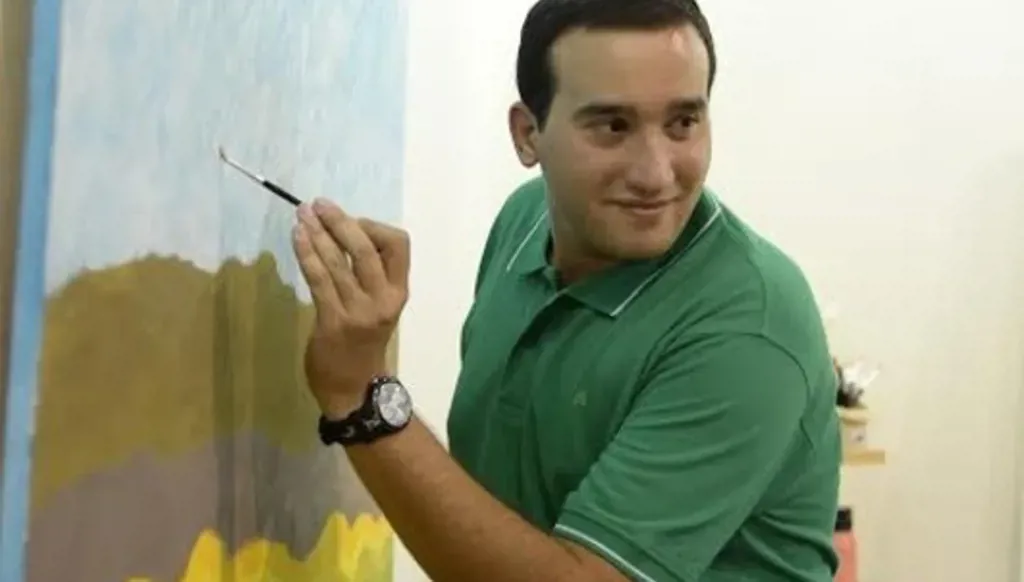
Based on her experience accompanying the renowned artist Ali Tlais and discovering his remarkable talent in painting and colors, which led to him becoming an ambassador for the autism cause, the president of the Syndicate of Graphic Arts and Expressive Arts Professionals, Rita Moukarzel, told Annahar about the essential role painting plays in supporting people with special needs, enhancing their capabilities, and helping them accept their challenges.
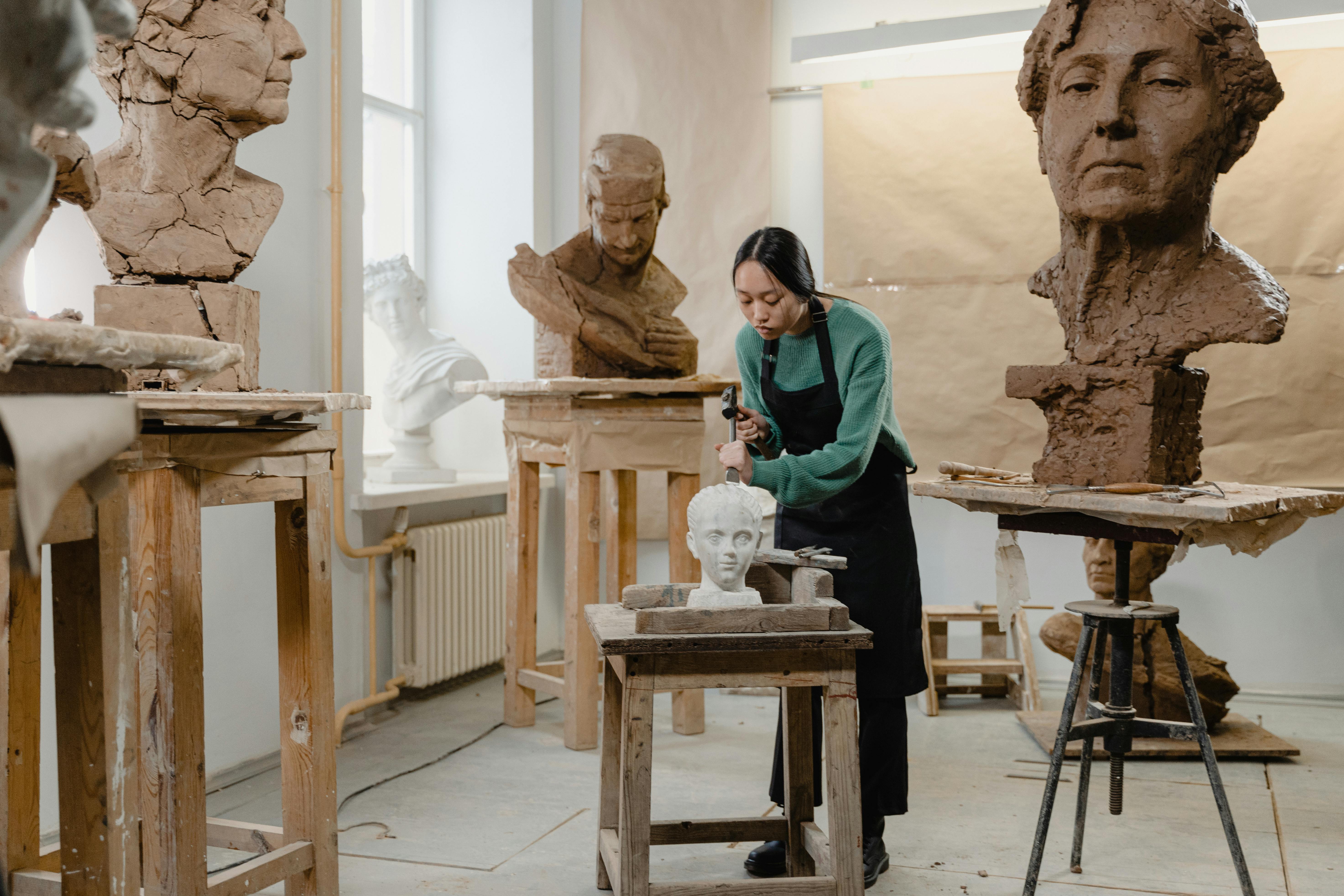
Illustrative image. (Pexels)
What role do painting and art play for people with special needs?
Painting is considered the best tool to rely on for helping people with special needs accept their challenges. Ali Tlais serves as an example, with Moukarzel focusing on guiding him in painting after his talent in it emerged through the pointillism technique, which is suitable for his autism condition characterized by repetitive movements. As a result, his paintings are now sold for thousands of dollars.
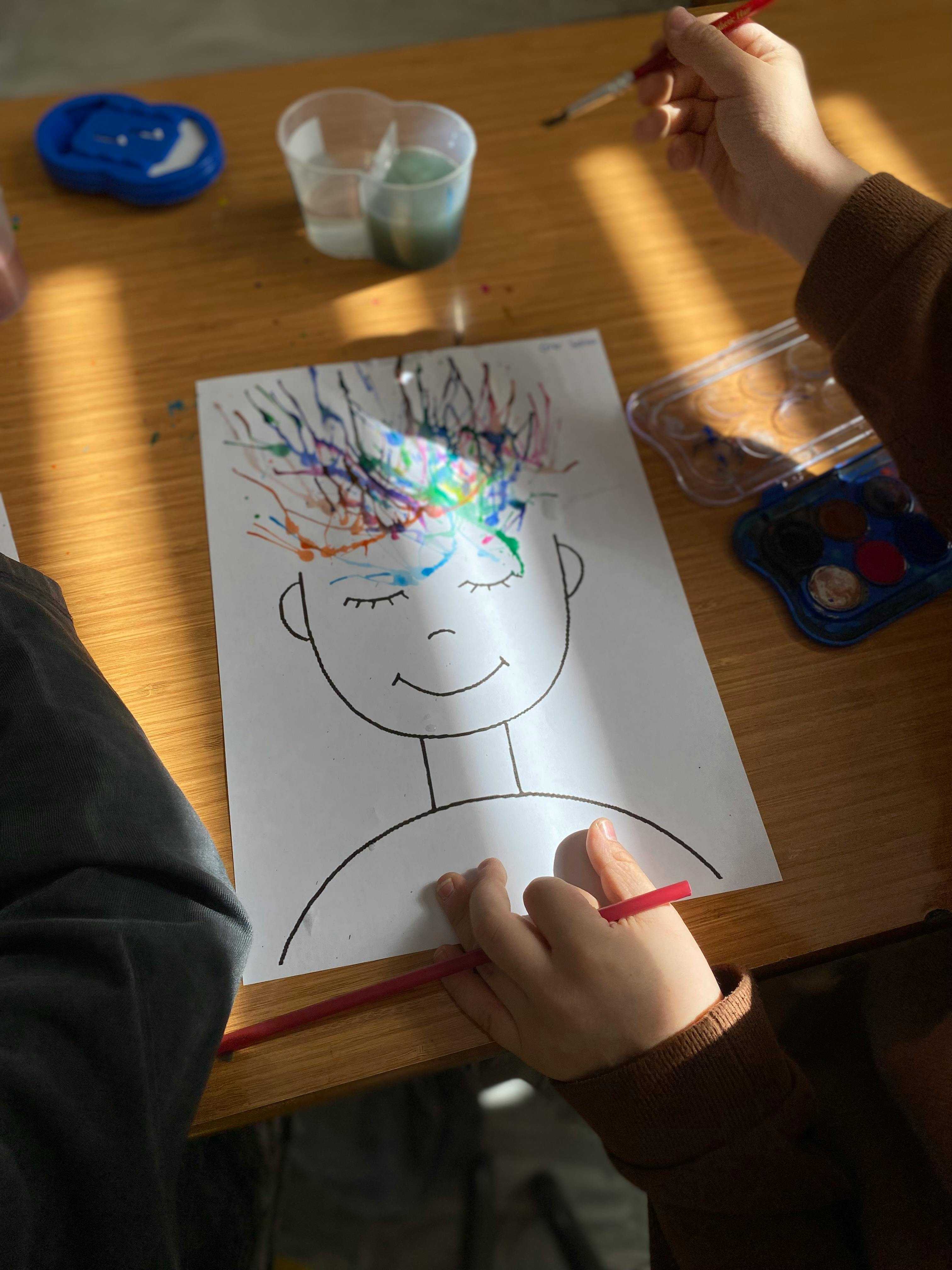
Painting suitable for autism (Pexels)
Sculpting for the visually impaired: Moukarzel considers sculpting one of the best experiences for the visually impaired, as it enables them to see through their hands and their heart.
With guidance, the results were remarkable, because those who cannot see sculpt and paint with their hands more vividly than those who are not visually impaired.
Being blind, they focus on details, and their perception while sculpting is a magical experience for Moukarzel, with outcomes often characterized by great realism, as they feel with their hands before sculpting and express themselves through touch, in contrast to those who rely on sight.
These hand-based techniques are widely used and reliable therapeutic methods.
Illustrative image.
Handicrafts for the deaf and mute: Significant talents can be discovered among the deaf and mute in handicrafts. With guidance, these talents can be uncovered, as they have a heightened ability to focus on a single task and possess patience. Numerous talents have emerged in crafts such as sewing, painting, leatherwork, carpentry, and other manual crafts.
Any inclination a person with special needs may have, and what they might find passion in, can be discovered through art. Based on this, guidance is provided, and there are many stories of individuals who have excelled in these fields.






 Messenger
 Whatsapp
 Threads
 Email
Email
 Print
Print
 X
X
 Facebook


.jpg)