

Art as refuge in war: How creative expression becomes a path to healing trauma



 Messenger
 Whatsapp
 Threads
 Email
Email
 Print
Print
 X
X
 Facebook
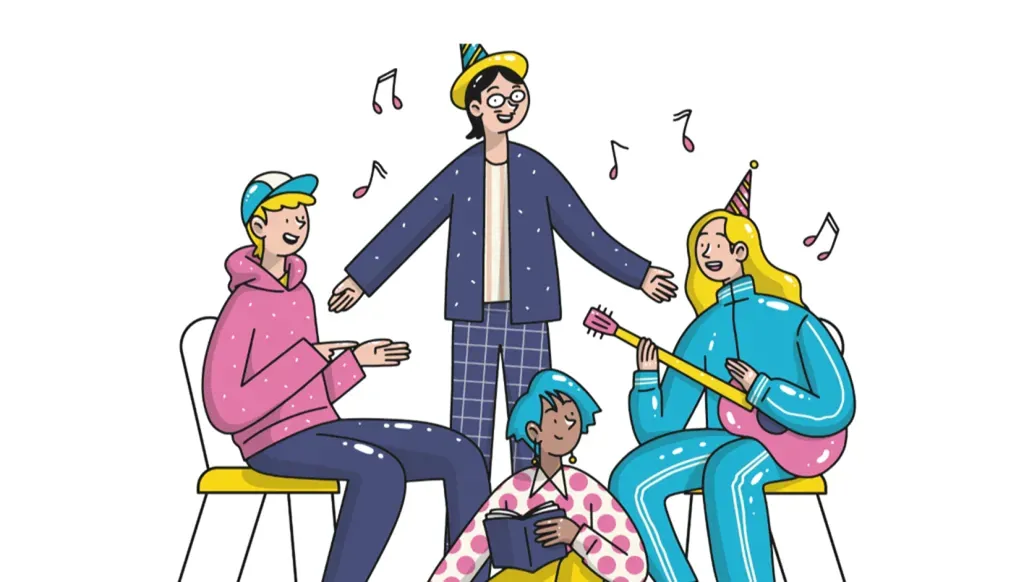


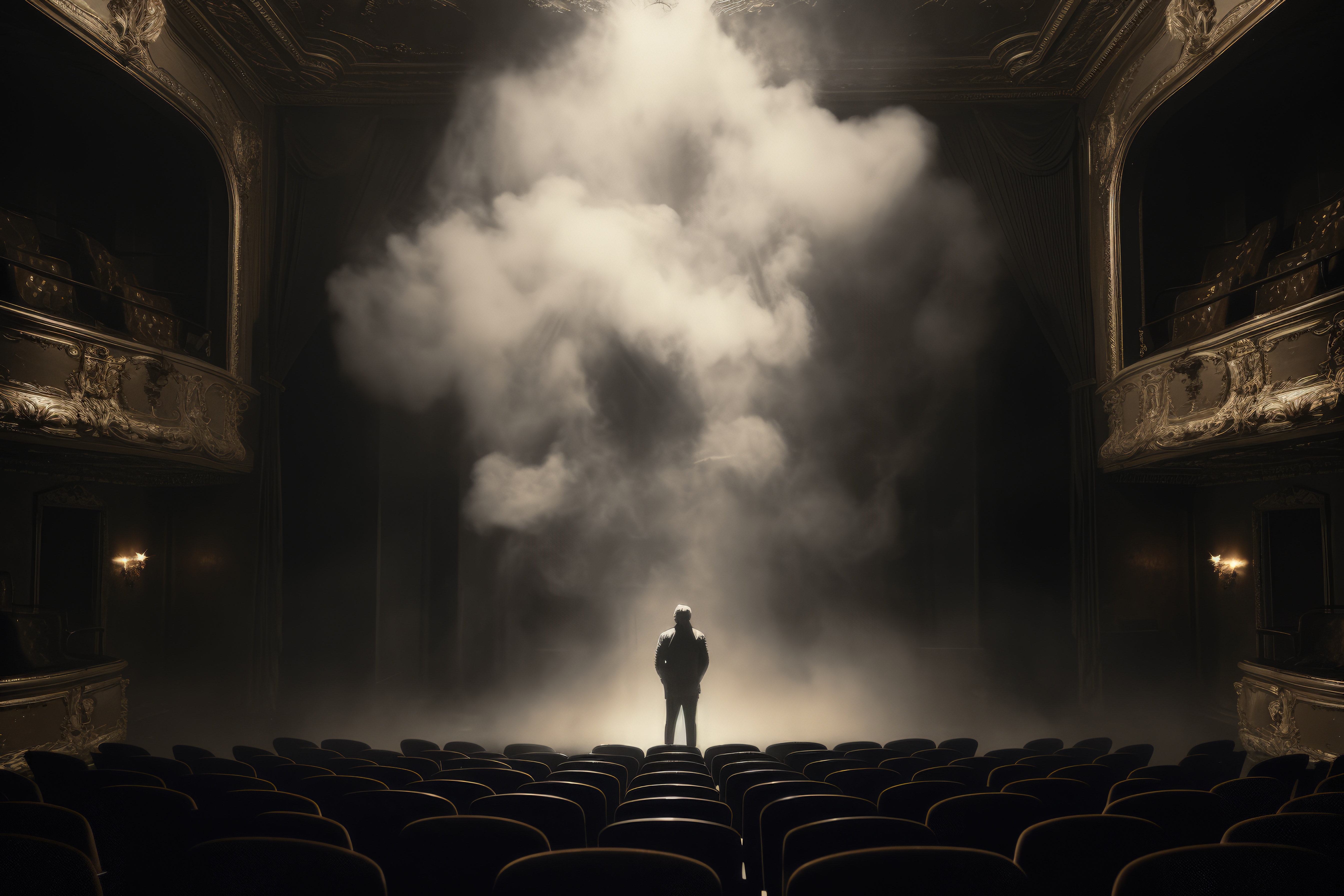
This is confirmed by a clinical psychologist and psychoanalyst from “Annahar”, who points out that “art forms a symbolic refuge during times of war, allowing for safe expression of suppressed feelings and thoughts, helping to impose a kind of order within chaos, and providing a tangible sense of action instead of stillness.”
Chidiac explains that drawing, movement, or rhythm might carry feelings that have not yet found their narrative form, making art a bridge that allows individuals to approach what has been internally separated. Over time, these forms may become the first beginnings of a story that can be told later, as they help people gradually bring out their feelings before they are able to express them in words.
Among the artistic methods that can be adopted, writing stands out as a means of weaving the experience and rearranging what has been shattered inside. Poetry, whether writing or reading, also holds special importance in such circumstances.
As for children and adolescents, she points out that they “do not always have the psychological or linguistic tools to express trauma, so art becomes their language.” A child might express themselves through repetition, chaos, or emptiness in their drawings, while a teenager might resort to writing, composing, or producing images that reflect fragments of their inner world. Therefore, art therapy is not about “creating beauty,” but about creation and self-expression.
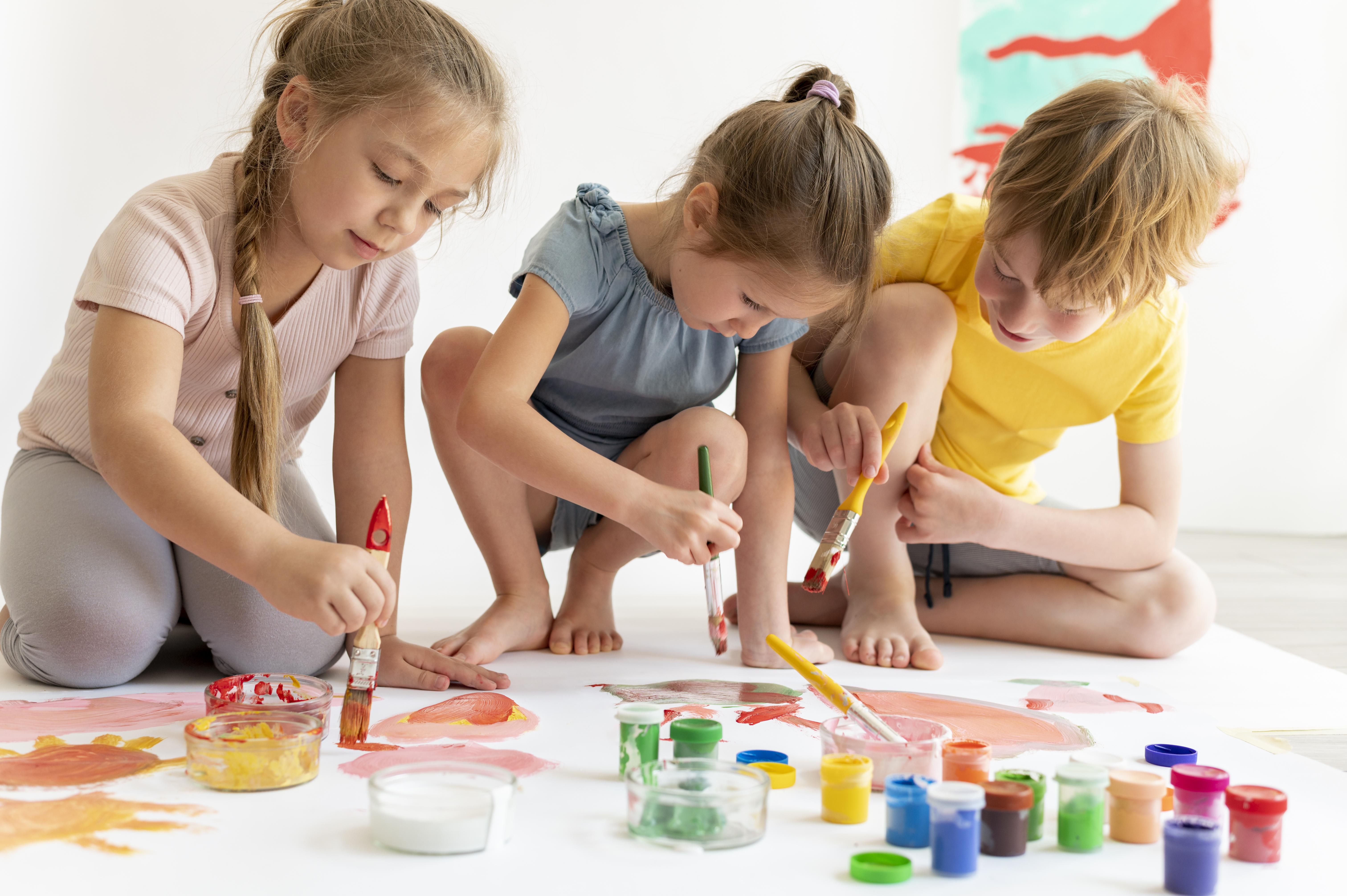
The approach to art therapy varies from one patient to another; some start with it as an initial entry point before moving on to talk therapy when they become more comfortable with expression. Conversely, sometimes verbal therapy reaches its limits, necessitating art therapy as a parallel or temporary pathway, depending on the needs of each case.
Forms of art in psychological therapy
Art therapy does not limit itself to one medium but includes visual arts like drawing and sculpture, writing, music, movement and dance, and theater.