Reading and writing in times of war: How books become quiet spaces of survival

Culture 17-04-2026 | 12:54

Reading and writing in times of war: How books become quiet spaces of survival

From therapeutic reading to private journaling, experts show how literature and writing offer structure, meaning, and emotional refuge amid crisis and uncertainty.

Reading and writing in times of war: How books become quiet spaces of survival
Illustrative image (Freepik).
Smaller Bigger


Amid the rapid flow of news and the heavy daily anxiety caused by wars, reading does not seem like a luxury, but rather a quiet necessity for staying composed. While it does not change reality, it offers us a way to endure it and to reorganize internal chaos into a comprehensible language. With each page, a small space of tranquility opens up, making reading a simple act of resilience in times of crisis.


Reading is not merely a temporary refuge; it also stands out as a supportive tool for mental health, with growing clinical evidence of its ability to alleviate feelings of loneliness and social exclusion.


Dr. Nayla Chidiac, a clinical psychopathologist and psychoanalyst, tells "Annahar" that reading provides psychological support in times of war, creating a kind of silent companionship, so that an individual is no longer alone with their fear. It offers structure and meaning, helping to restore a sense of internal order.


Chidiac explains that therapeutic reading, whether through poetry, short stories, or biographies, revitalizes thinking in a time when wars aim to undermine this ability, turning reading into an act of resistance that protects the mind from erosion.


In this context, the text is chosen to fit the individual’s psychological state, making the book a mirror and a space for identification and projection, acting as a silent therapist that creates space and makes personal experience more tolerable through another’s story. The text does not forcibly change a person, but works subtly; sometimes a single sentence is enough to create a shift because it names what was left unsaid.


Chidiac selects a collection of books to read in wartime:


For children: Protection Without Lies


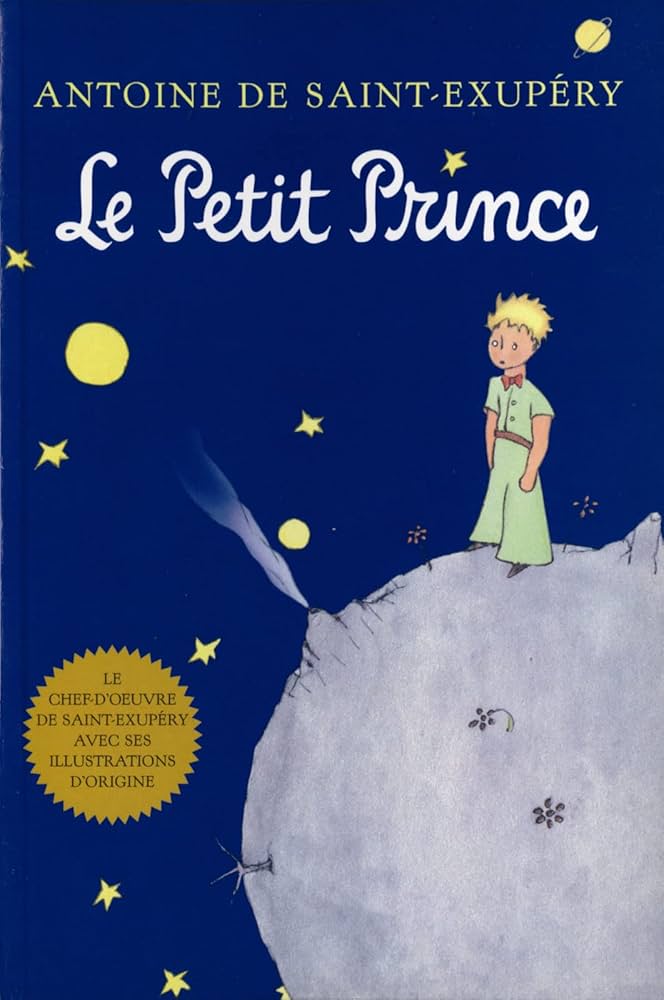
"The Little Prince" (Antoine de Saint-Exupéry)


The book
The book


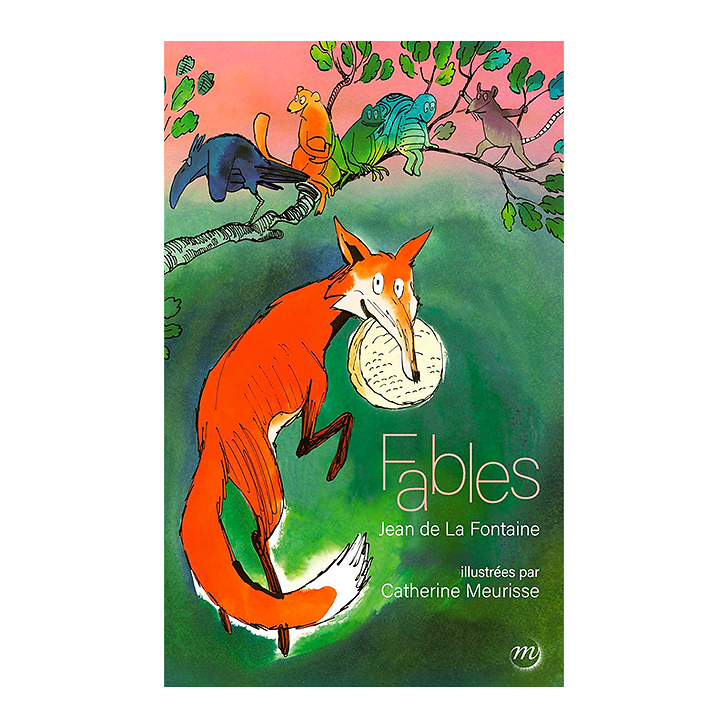
"The Fables" (Jean de La Fontaine) 


The book
The book


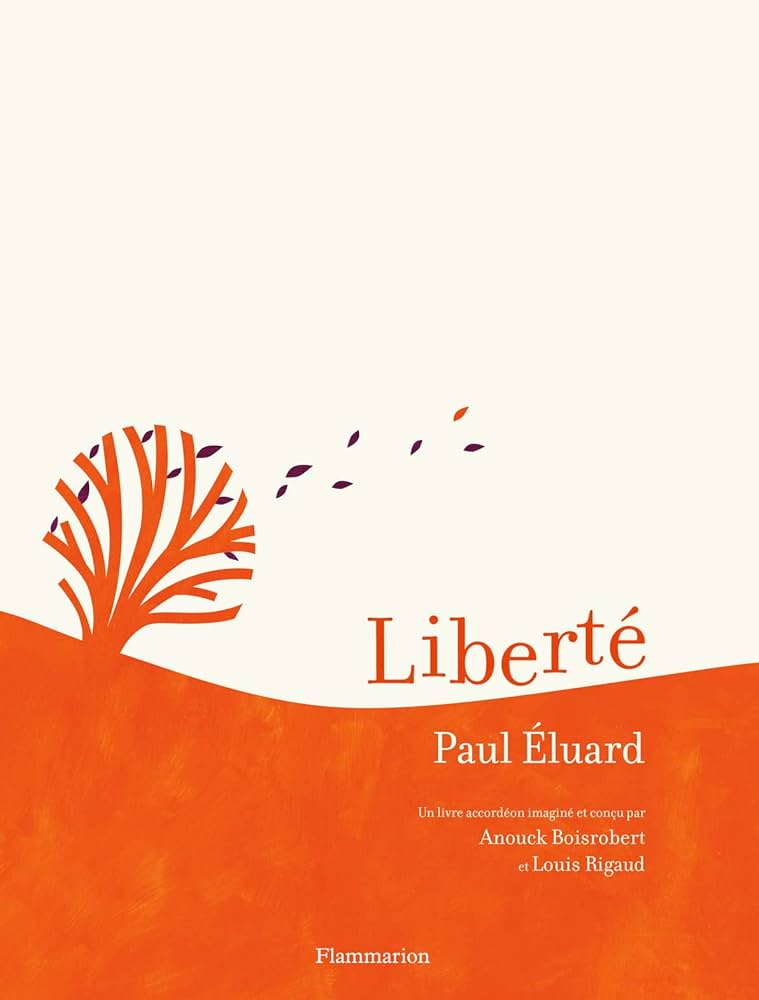
"Liberty" (Paul Éluard) 


The book
The book


For Adults: Staying present and protecting the mind


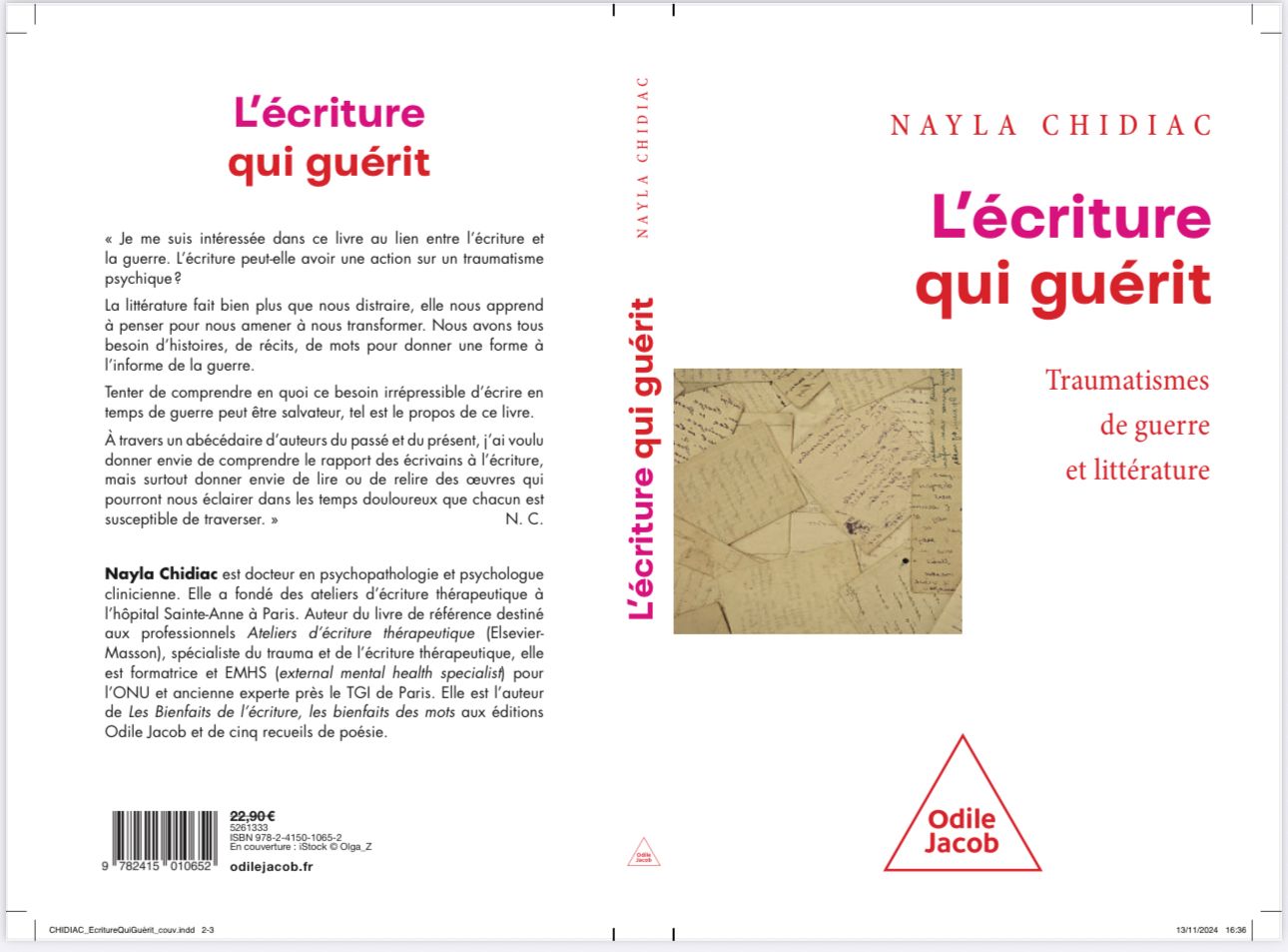
"Writing That Heals" (Nayla Chidiac) 


Book cover of
Book cover of


"Silk" (Alessandro Baricco)
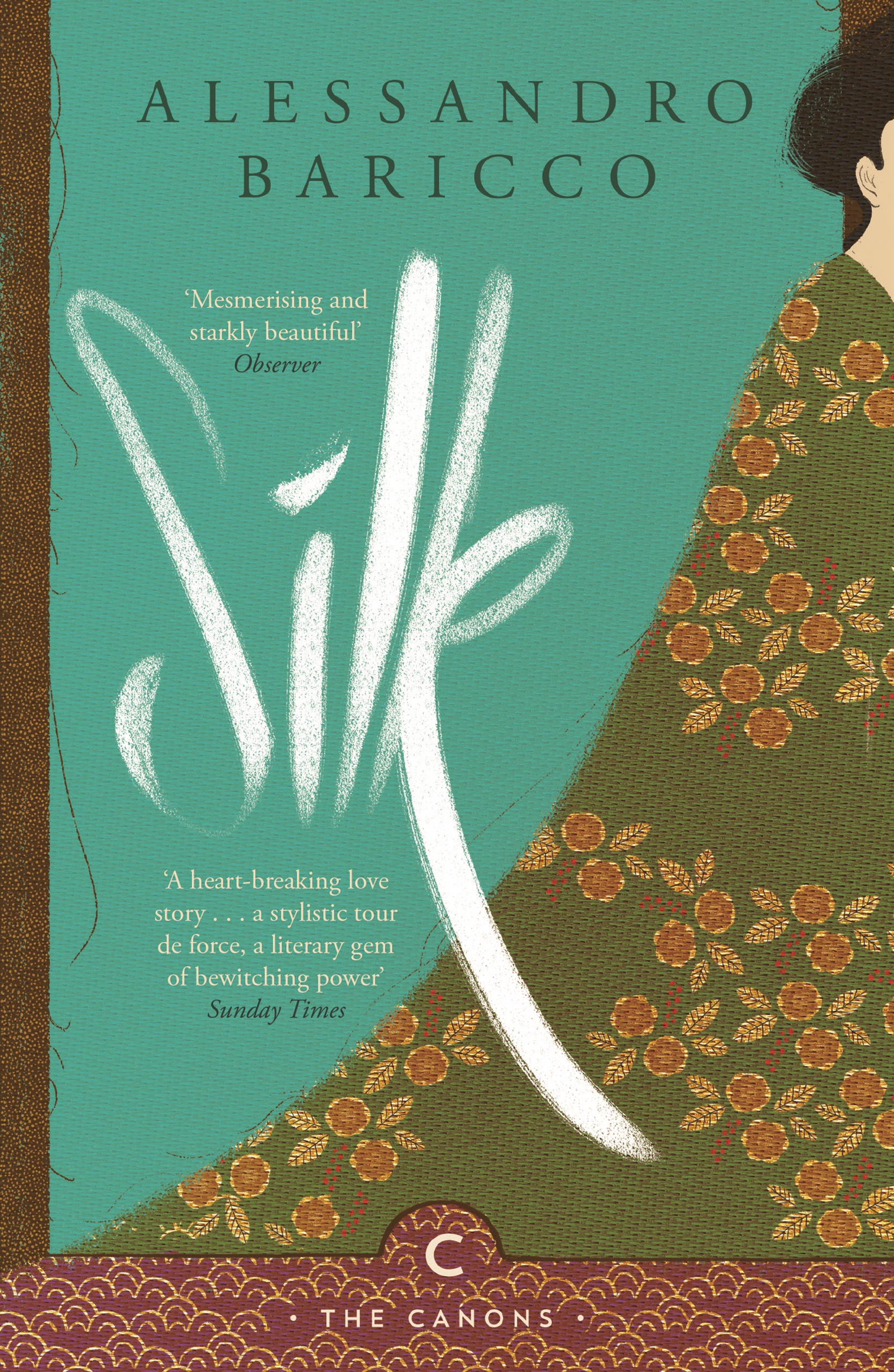


Book
Book


"Address Unknown" (Kathrine Kressmann Taylor)
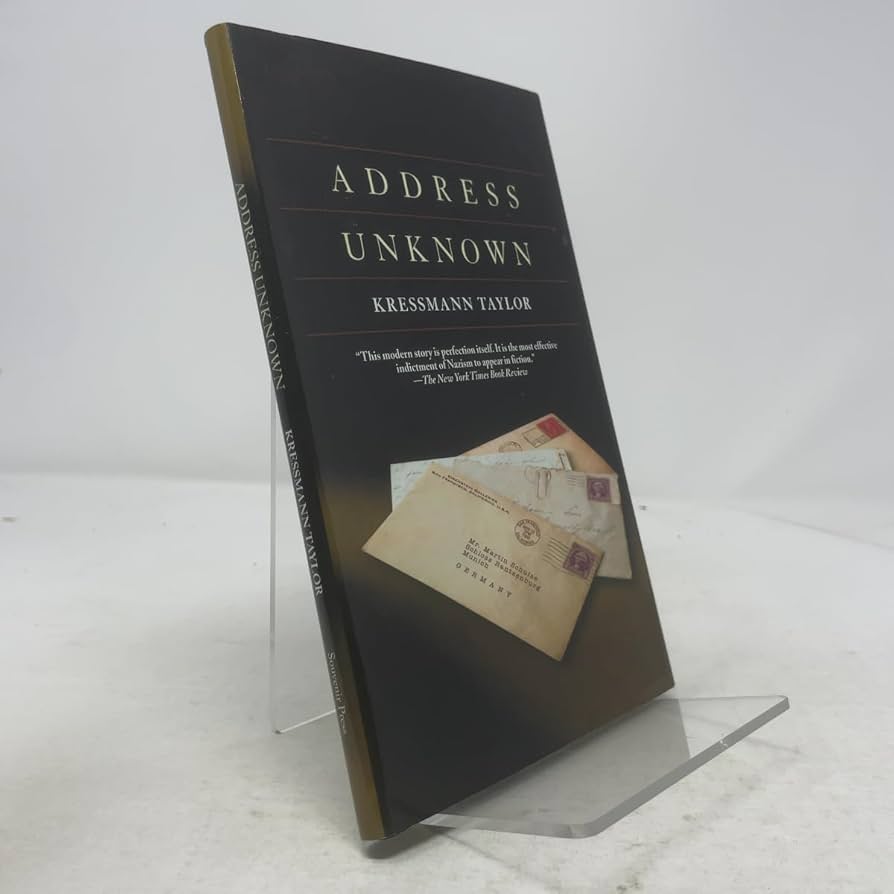


Book
Book


"The Prophet" (Khalil Gibran) 
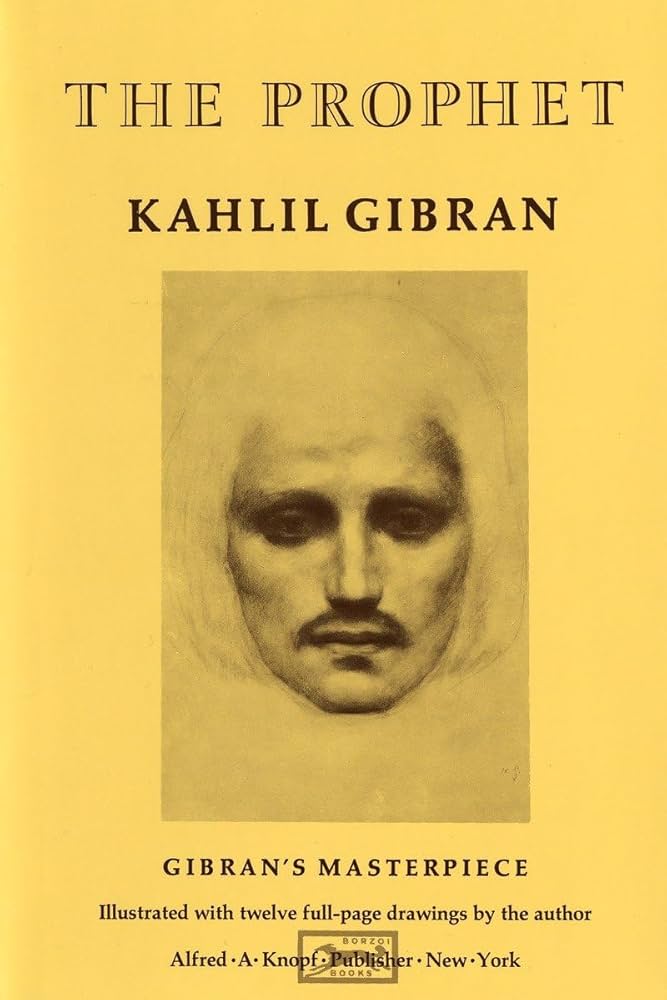


Book
Book


"Furor and Mystery" (René Char) 
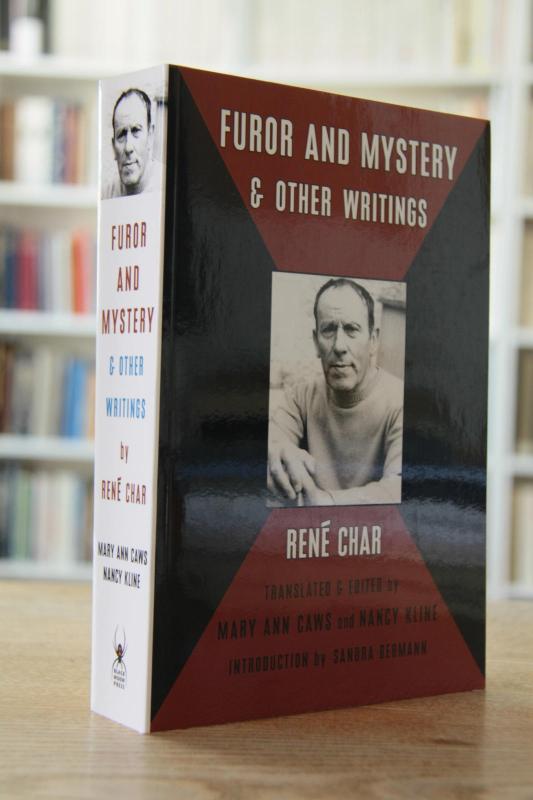


Book
Book


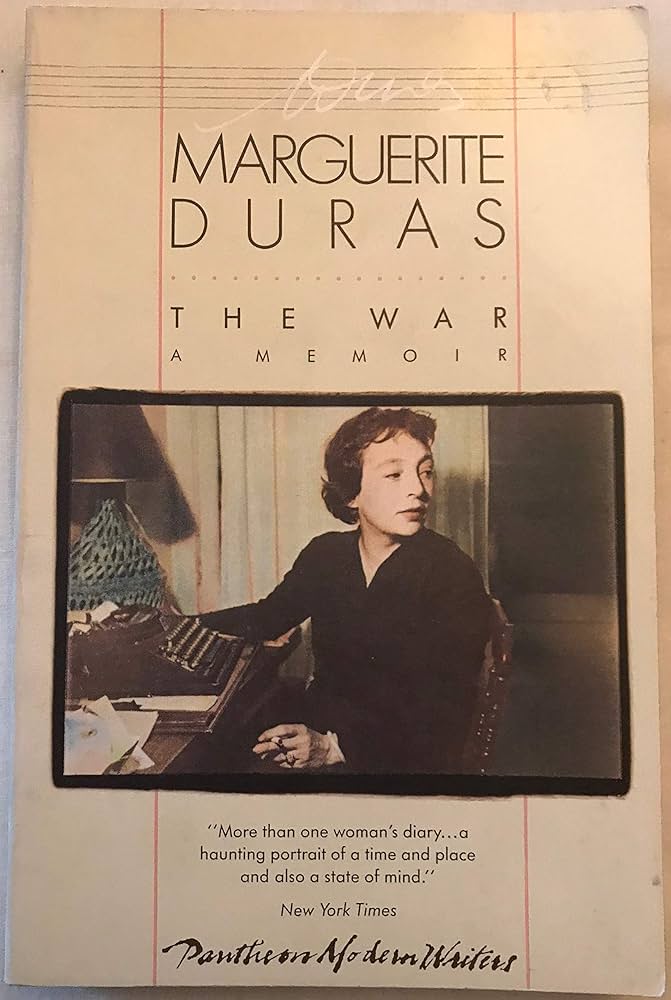
"The War: A Memoir" (Marguerite Duras) 


Book cover of
Book cover of


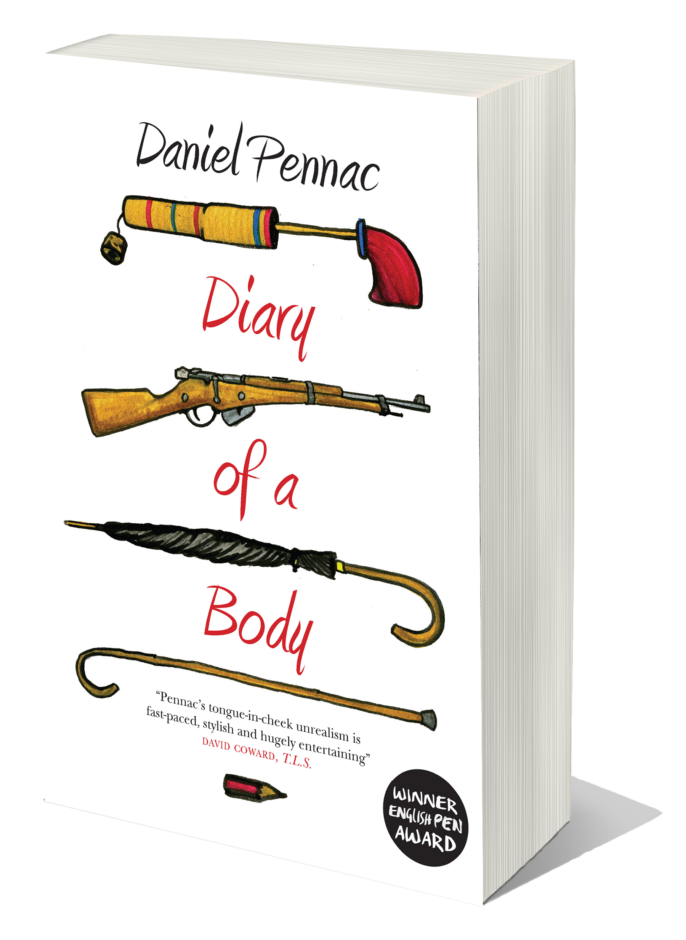
"Diary of a Body" (Daniel Pennac)


Book
Book


Among therapeutic texts, Chidiac also recommends reading poetry, including poems by Mahmoud Darwish, with a simple approach: reading one poem a day, aloud if possible, and perhaps reading to each other. Why not have a community of poetry readers?


Just as in the novel "The Guernsey Literary" and "Potato Peel Pie Society", set in Guernsey after the war and shaped by memories of the German occupation, showing how reading and storytelling become quiet acts of resistance—small shelters where identity, joy, and human connections remain alive.


Writing as a therapeutic tool


Writing can be a safe space to unload accumulated emotions and thoughts. In this context, Chidiac says: “Handwriting in a notebook becomes a home for thoughts and a refuge for feelings; thus, having a personal notebook in times of war is an essential space and personal haven.”


Practical suggestions:


  • Take a paper and pen, play music without lyrics for 30 minutes, and draw a vase filled with words.


  • Dedicate 30 minutes to writing a list of what you love and what you dislike.


  • Write a letter you will never send.