

Rethinking mental health in Lebanon: Professor Wadih Naja on therapy, stigma, and lifelong care
Psychiatrist Wadih Naja reframes mental health as a continuous, integrated process—linking therapy, medication, and everyday functioning while challenging persistent stigma around psychiatric treatment.



 Messenger
 Whatsapp
 Threads
 Email
Email
 Print
Print
 X
X
 Facebook
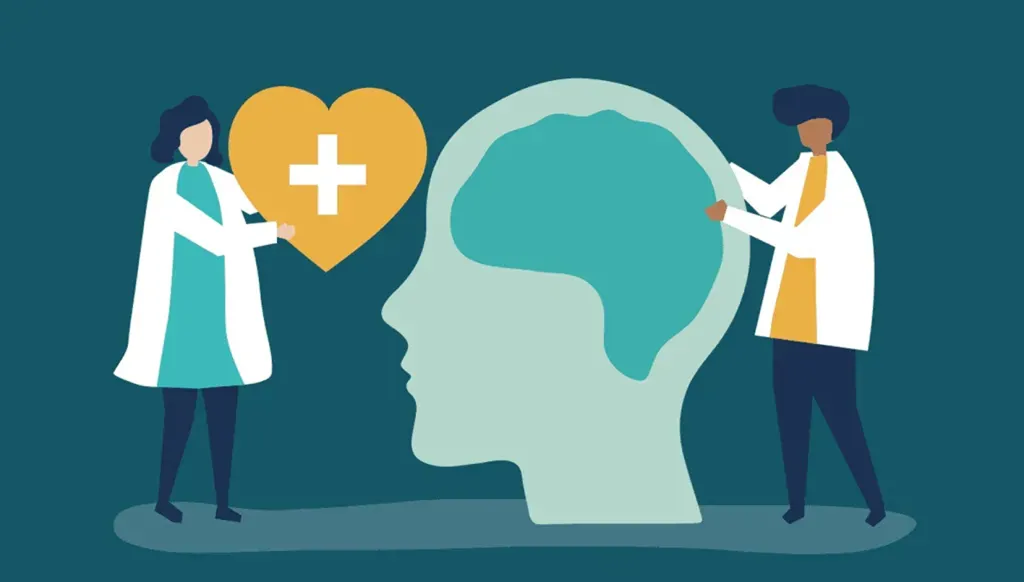



Najja believes that the approach to mental health is only complete when considering three fundamental frameworks that govern one's life: family, whether the individual is single or married; community, including relationships, friendships, and emotional life; and work or educational path, depending on the age stage. Through these dimensions, psychological indicators that appear on a person can be read.
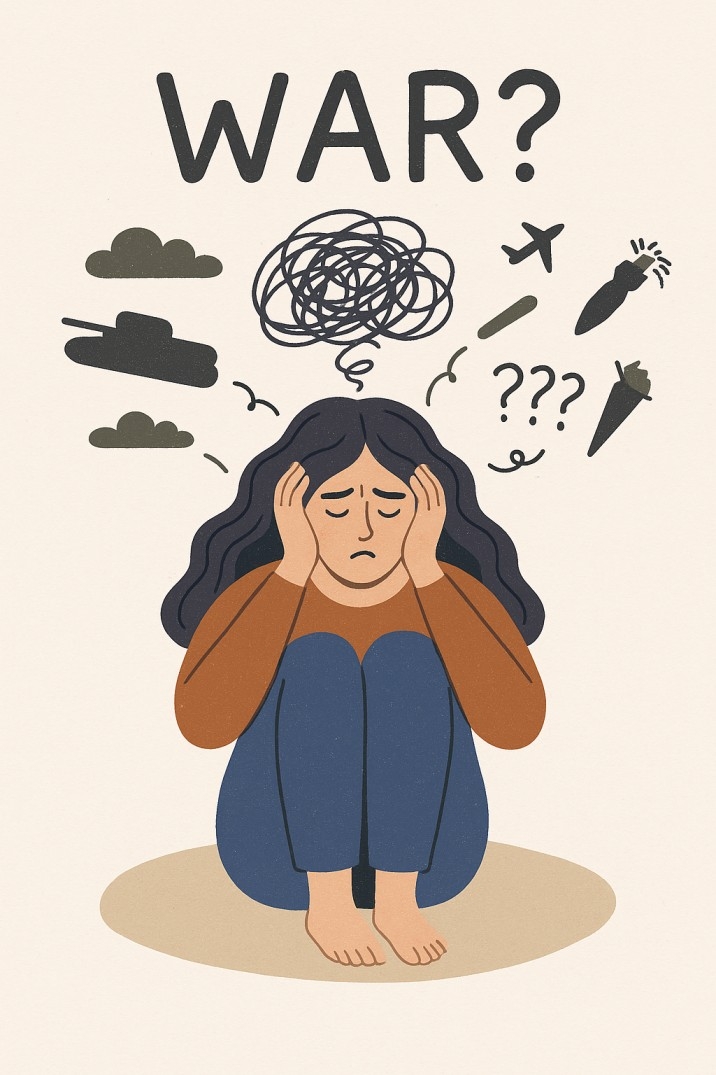
He points out that these signs often serve as an “alarm bell” that calls for stopping and reassessment, as the matter is no longer just a passing anxiety or natural fear accompanying difficult circumstances, such as wars, crises, losses, or illness, but could indicate a deeper disorder.
Thus, the decisive moment occurs when these symptoms start affecting the individual's ability to continue in daily life, whether on the family, professional, or social level. At that point, consulting a psychologist or psychiatrist becomes an essential step that cannot be postponed.
The most common question remains: Should we seek a psychologist or a psychiatrist? Many people ask this question, often confused about how to seek help.

In this context, Naja explains that the psychologist often represents the first step in many cases, conducting a comprehensive evaluation. If it is found that the person requires medical follow-up, they are referred to the psychiatrist, as part of an integrated cooperation between specialists. The reverse also applies, where a psychiatrist may recommend follow-up with a psychologist alongside medication therapy.
In reality, treatment often requires combining both approaches. To simplify, Naja compares the situation to chronic diseases, explaining that those suffering from diabetes or hypertension do not rely solely on medication but also need a balanced diet and a healthy lifestyle, including exercise, to control the disease. Similarly, mental disorders are not treated with medication alone but also require psychological follow-up to help the individual understand and adapt to their condition, ensuring real and sustainable stability.
In cases of anxiety, fear, and phobias not accompanied by severe depression, the individual might be satisfied with psychological therapy without drug intervention. However, the picture changes when these disorders worsen and start affecting daily life, or when anxiety is accompanied by moderate to severe depression, making joint follow-up with a psychiatrist and psychologist an essential necessity.
But do symptoms appear immediately after the shock? The psychiatrist explains that the psychological response to trauma does not follow a single path but may take two different courses: