

War news overload: How constant digital exposure is reshaping anxiety, attention, and reality
Clinical psychologist Robert Rizk explains how compulsive news scrolling during crises can blur truth perception, fuel anxiety, and strain the brain—turning information seeking into a cycle of stress that calls for healthier digital boundaries.



 Messenger
 Whatsapp
 Threads
 Email
Email
 Print
Print
 X
X
 Facebook




In this context, the behavior of "compulsive browsing of negative news" emerges as one of the most prominent forms of interaction with news. Rizk defines it as "an act resulting from an anxious search for accurate information," explaining that a person "seeks to reach completely accurate content, which is unrealistic, especially in times of war where there is no absolute truth."
He adds that the brain in this case operates similarly to "cognitive dissonance," where "it enters a state of mental confusion that hinders the ability to choose the right information."
The impact doesn't stop there, as Rizk points to "information overload," where "the brain becomes unable to process and interpret information." Continuous exposure to contradictory news "is considered a series of small shocks that affect the hippocampus, the part responsible for memory and learning," leading to "a decrease in neurotransmitters, negatively affecting concentration, decision-making, and mental clarity."
This excessive consumption does not come without psychological cost. Rizk affirms that "the continuous use of information through social media leads to a kind of virtual addiction," with symptoms appearing as "exhaustion, stress, sleep disorders, weak concentration, anger, and anxiety."

Additionally, research published in the journal "Frontiers in Psychology" has shown that difficulty in recognizing and expressing emotions may drive individuals to use social media as a means of emotional escape, explaining the difficulty in stopping following news even when it's exhausting.
Despite this reality, Rizk does not call for cutting ties with news but for balance. He says: "We all have a natural curiosity for knowledge," but "the strategic way to curb compulsive browsing should be based on reducing excessive curiosity and enhancing contentment," which helps achieve "psychological stability and reduce anxiety."
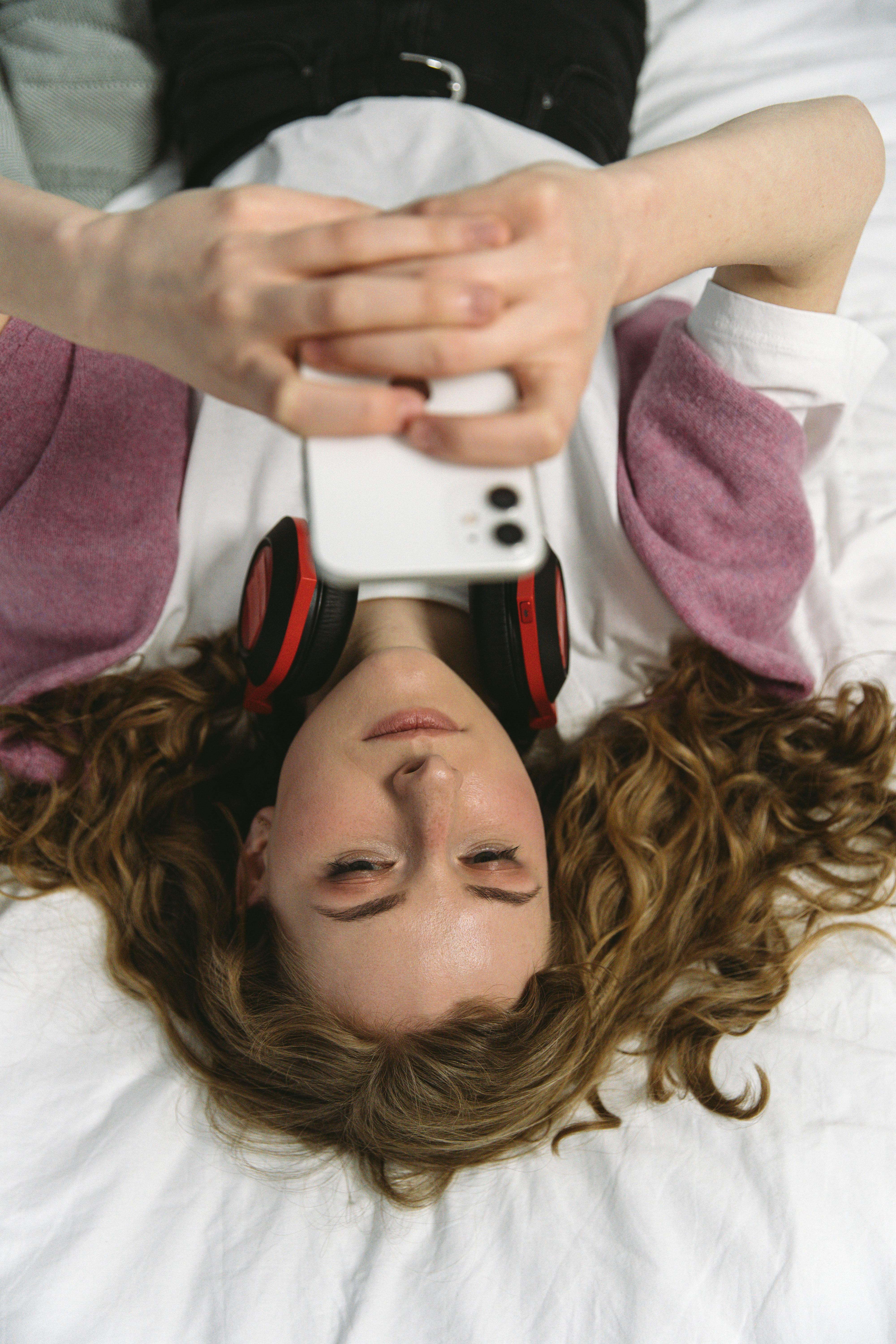
For children and adolescents, he recommends "determining the quality of content as well as reducing exposure time," stressing "not to use devices for more than an hour daily," as the brain needs time to regain its balance. He warns that excess may lead to disorders such as attention deficit, hyperactivity, anxiety, and virtual addiction.
In conclusion, the problem lies in excess, not in keeping up per se, but in the ability to set boundaries that protect mental health in a time where news is ceaselessly overwhelming.