Inside addiction: Between hidden struggles and the changing reality of recovery in Lebanon

Wellbeing & longevity 17-04-2026 | 11:05

Inside addiction: Between hidden struggles and the changing reality of recovery in Lebanon

A closer look at addiction patterns, recovery challenges, and how crises reshape treatment access and survival chances in Lebanon and beyond

Inside addiction: Between hidden struggles and the changing reality of recovery in Lebanon
Addiction - Internet
Smaller Bigger


Perhaps only the walls of addiction recovery centers bear witness to what the addict goes through—to restless thoughts, recurring pains, and the struggle between falling and rising. These are not mere tales of weakness, but stories of daily battles with the self and the surroundings. They are survivors—and victims at the same time. Behind this silent struggle, there is always a steady hand extended: a doctor trying to reorganize what addiction has scattered.


Addiction is not limited to substances such as drugs, alcohol, certain medications, tobacco, and caffeine, but also includes behavioral patterns such as gambling, food, and even sex. However, not every use of a substance or engagement in a behavior is considered addiction, as there are precise medical criteria for diagnosis, and this label cannot be applied arbitrarily.


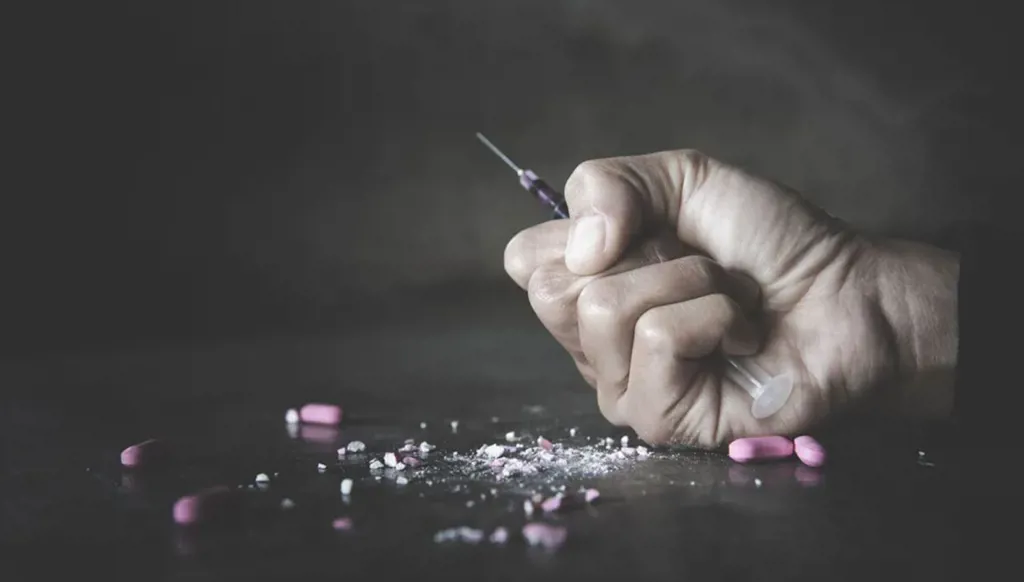
Expressive image (Pexels)


Apart from individual stories, numbers attempt to paint a broader picture. The fifth round of the European electronic drug survey was conducted between May and July 2024, involving several European countries and others outside, targeting individuals aged 18 and above who use drugs.


In Lebanon, the survey was conducted between May 24 and July 13, 2024, with the participation of 669 individuals. It was previously implemented in 2021, commissioned by the European Union Drugs Agency within the EU4Monitoring Drugs II project, with responsibility for its content attributed to Skoun and the Lebanese Ministry of Public Health.


The survey provides a picture of usage patterns among users without reflecting prevalence rates in society as a whole. It showed that tobacco, alcohol, cannabis, and cocaine are the most used substances, with cannabis and cocaine leading the list of illicit drugs. The results also indicate similarity between men and women, with higher rates recorded among men. Around one-third of participants started using cannabis before the age of 18, and 28% reported increased consumption due to the economic crisis. Additionally, one in four mentioned being affected by air raids, which for some was linked to increased use of cannabis and cocaine.


Expressive image (Pexels)


Dr. Ramzi Haddad, a psychiatrist, explains to Annahar that addiction, despite its broad definition, is based on essential traits, most notably the loss of control over using a substance or engaging in a behavior, and continuing despite awareness of the harms. This often negatively impacts several aspects of an individual’s life, such as work, studies, and social and family relationships, in addition to mental and physical health.


Addiction cannot be reduced to the question of “why.” It often results from the interplay of biological, psychological, and environmental factors, including genetic predisposition, brain changes, psychological disorders, stress, and social environment. It may begin out of curiosity or through influence from others. Although some cases are associated with difficult family circumstances, such as family breakdown or tension, the family is not a direct cause, and it is not fair to place the blame entirely on them.


Expressive image (Pexels)


Denial of addiction is also a common trait. In its early stages, the sense of pleasure and absence of immediate consequences may reinforce the illusion of control, leading the person to believe they can stop at any time, before the loss of control gradually becomes entrenched.


There is no conclusive evidence that wars and crises directly increase addiction rates, but they may alter usage patterns depending on the availability and cost of substances. The clearest impact lies in treatment, as centers’ capacities decline, access to services becomes more difficult, and financial burdens increase, limiting individuals’ ability to seek help.


Ultimately, crises may not always change the number of addicts, but they do change their chances of survival.