Displacement in Lebanon: When survival becomes a psychological strain

Wellbeing & longevity 17-04-2026 | 11:05

Displacement in Lebanon: When survival becomes a psychological strain

Psychiatrists report growing psychological distress as overcrowding, uncertainty, and loss of privacy erode stability in daily life.

Displacement in Lebanon: When survival becomes a psychological strain
Displacement and its psychological impacts.
Smaller Bigger


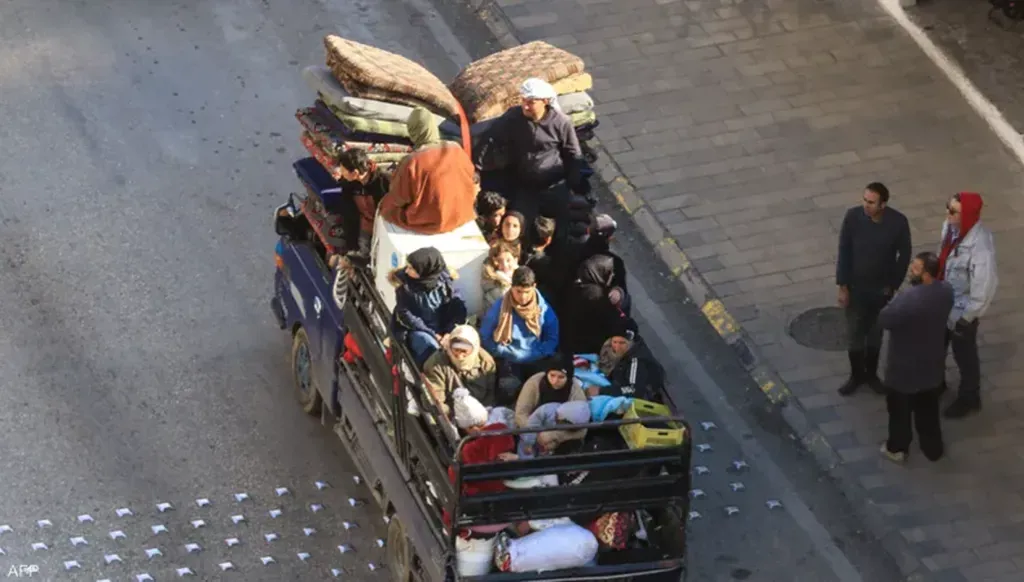
With the outbreak of the war, Lebanon faced a major humanitarian disaster as about one million people were displaced from their towns and homes to various areas across the country due to ongoing bombings, air raids, and Israeli evacuation threats. The humanitarian and social repercussions of this displacement were immediately apparent, while the psychological repercussions are expected to emerge at a later stage, although some have already begun to appear, according to psychiatrist Dr. Jihan Rhayem.


How do the psychological repercussions of displacement manifest?


Rhayem has been monitoring the conditions of displaced persons from the south who live in crowded places, whether in shelters or the homes they moved to, where they reside in large numbers. This overcrowding has led to the loss of all life routines, including regular sleeping schedules and organizational matters. The presence of children alongside a large number of other children in shelters or homes, living in an atmosphere of excessive activity, has left parents unable to impose any routine in their lives as they did in their homes, or any rules or regulations. All this increases psychological pressure on adults, which intensifies as the state of confusion they live in continues, along with uncertainty about the future, the duration of the war, and the possibility of returning home.


Sometimes, preexisting family problems resurface under these circumstances due to severe psychological pressure.


Does the situation seem worse in shelters?


In shelters, there are additional factors that contribute to increased psychological stress among the displaced:


  • Loss of intimacy and privacy.


  • Inability to sleep regularly and at specific times.


  • Irregular meal times.


  • Decline in quality of life.


These factors are compounded by concerns related to wartime conditions and the possibility of returning home, leading to increased anxiety levels manifested through:


  • Sleep disorders.


  • Mood changes.


  • Persistent tension.


  • Loss of hope for improvement.


  • Changes in appetite.


Is there a need for psychological assistance?


In light of the conditions accompanying war and their psychological repercussions, there is an urgent need for rapid psychological assistance from specialists in psychology, particularly those specializing in trauma and its effects. Rhayem notes that the faster the intervention, the quicker the recovery. Consulting a psychiatrist is required in intractable cases where individuals continue to suffer daily from the effects of displacement and its repercussions in a painful manner.