

Wellbeing & longevity
17-04-2026 | 11:04
Understanding Post-Traumatic Stress Disorder after war: Symptoms in adults and children explained
A closer look at how PTSD develops gradually after trauma, its common signs across ages, and why children often express distress through behavior rather than words.




 Messenger
 Whatsapp
 Threads
 Email
Email
 Print
Print
 X
X
 Facebook
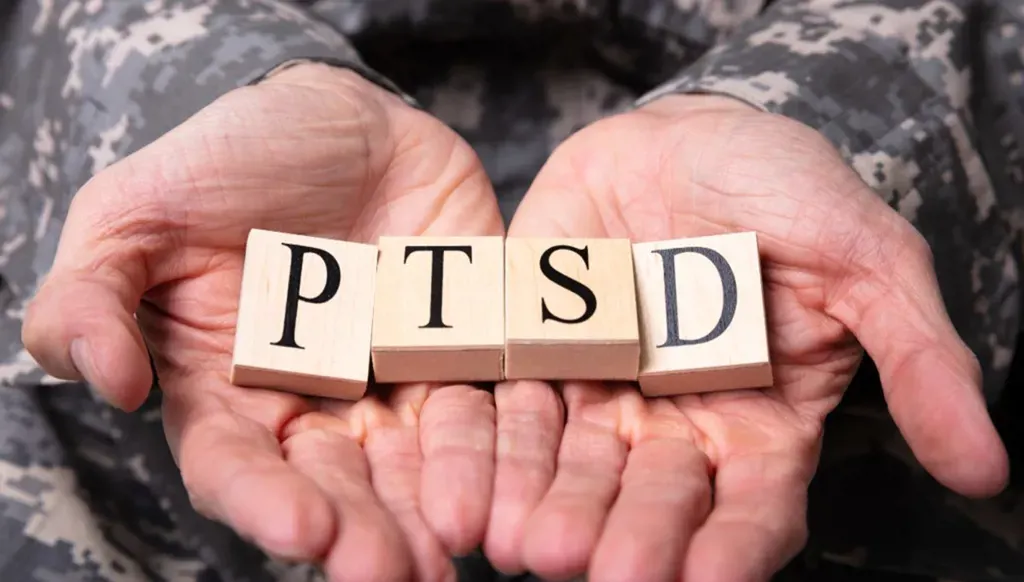
Post-traumatic stress disorder is expected after the war.


 Expressive image (Pexels)
What is Post-Traumatic Stress Disorder?
- Feeling like facing a dead-end that prevents achieving future goals and dreams.
- Loss of optimism in life in everything attempted.
- Emotional numbness, unable to feel sadness or happiness, as if living in another world, not sharing others' feelings.
- Constant tension symptoms such as rapid heartbeat during the day and jaw pain at night from teeth grinding, as well as back and muscle pain.
- Quick temper and indirect quick reactions.
- Feeling guilty for not being able to prevent others’ deaths, a feeling that accompanies the appearance of post-traumatic stress disorder symptoms.

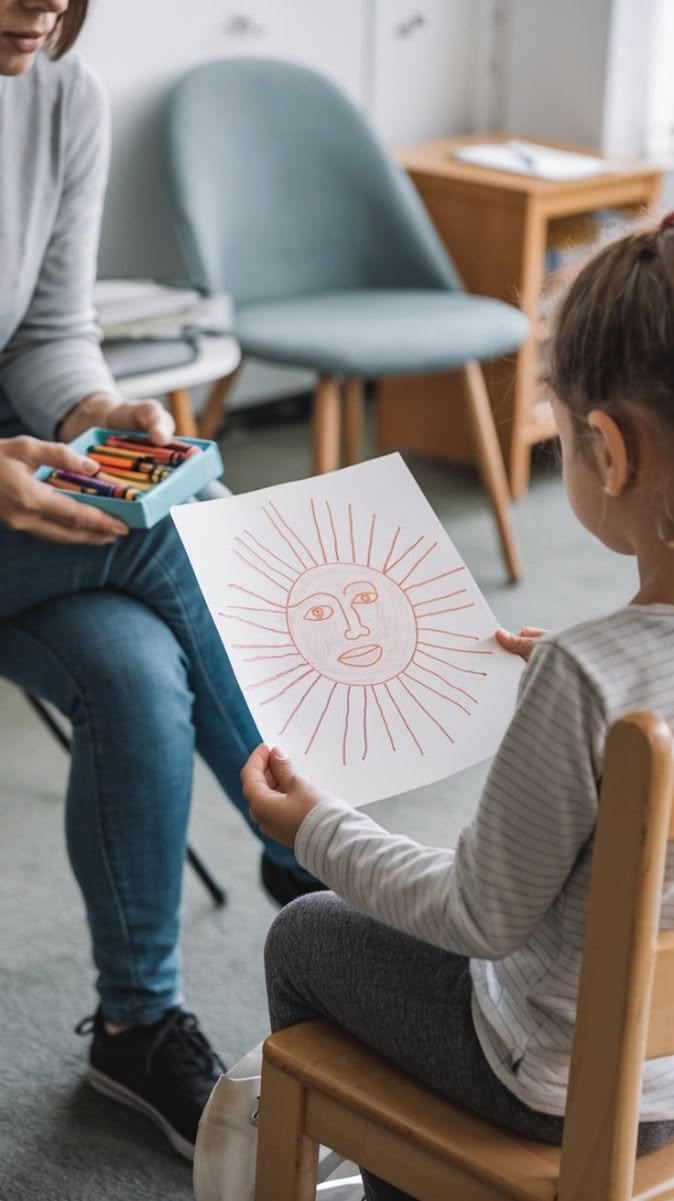 Expressive image
How do Post-Traumatic Stress Disorder symptoms differ in children?
In children, the condition differs in that they usually do not express their feelings and thoughts through words, and symptoms are expected to appear more through behavior:
- Play in ways that recall the incident, as seen in circulated videos of children in Gaza playing as if participating in the burial ceremony of someone killed.
- Nightmares that may not directly relate to the situation but lead to sleep disturbances, insomnia, nighttime awakenings, and recurring unclear nightmares.
- Anger that may not manifest as in adults, but instead as overactivity, excessive movement, difficulty calming down, and hyperactivity.
- Reduced concentration at school and a decline in academic performance.