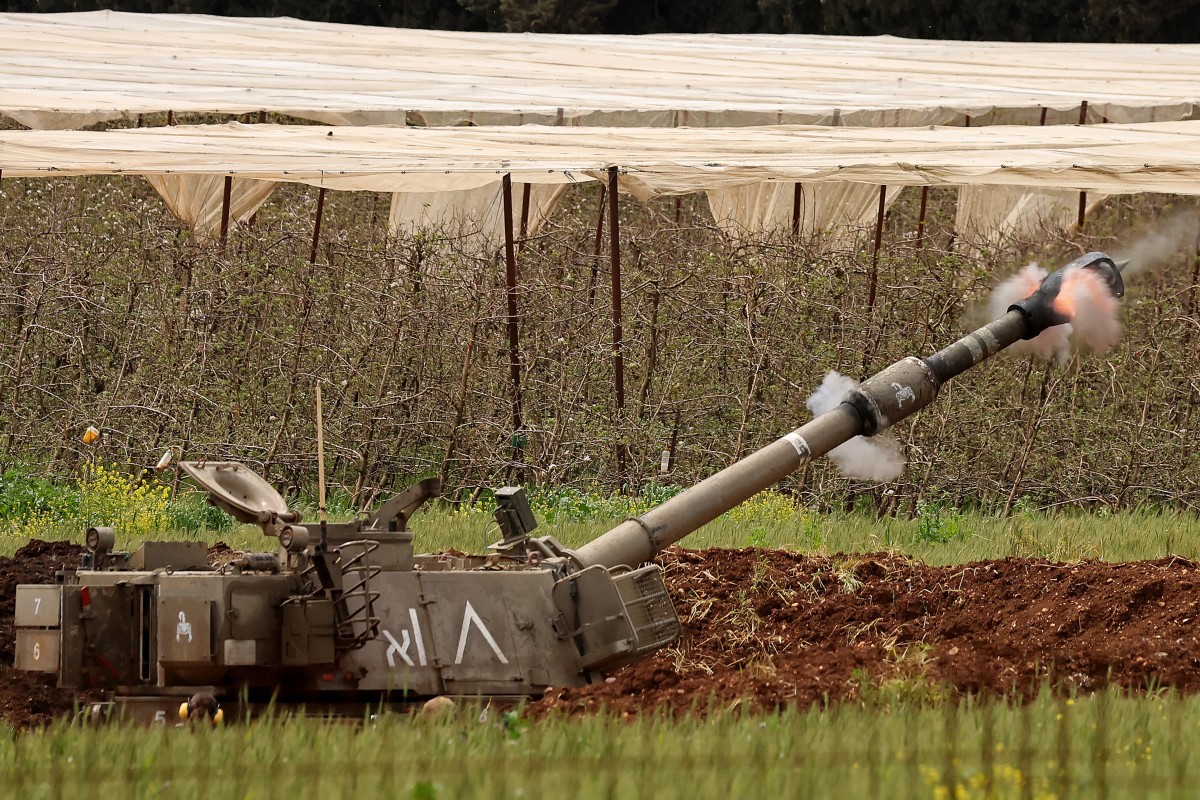
The optimism about extending the 15-day truce between the United States and Iran or the imminent convening of a new round of negotiations between them has not materialized. This gap puts the temporary ceasefire at risk and increases the possibility that the war could resume at any time.
Pakistan's mediation... An attempt to save the truce
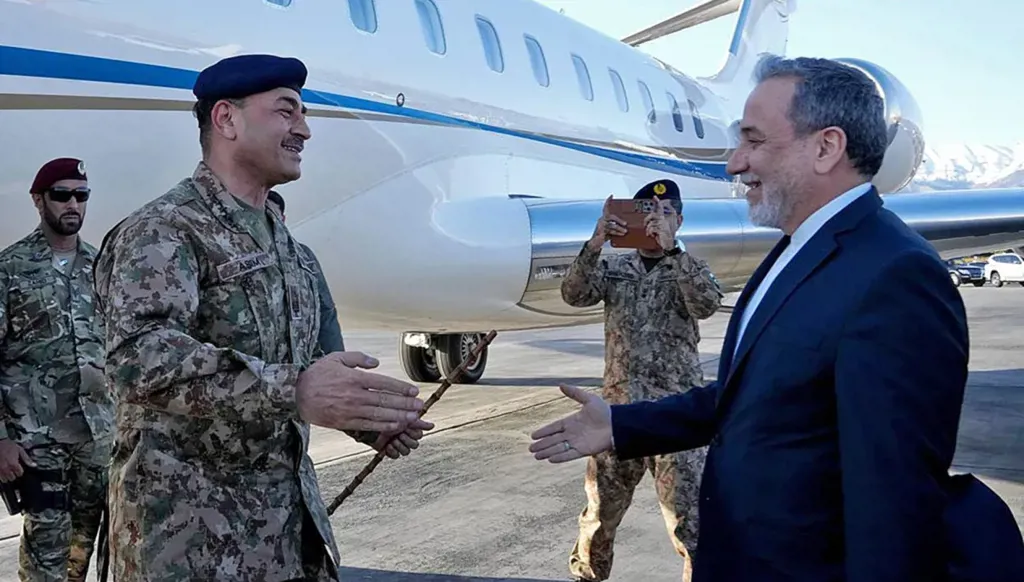
In this prevailing atmosphere of uncertainty, Pakistan is once again moving to preserve the truce and persuade the parties to return to Islamabad. While Pakistani Prime Minister Shehbaz Sharif was arriving in Riyadh to meet Saudi Crown Prince Mohammed bin Salman, the Pakistani army chief, Field Marshal Asim Munir, landed in Tehran to meet Iranian officials.
In this atmosphere of uncertainty, Pakistani diplomatic efforts are racing against the remaining days of the fragile truce, which is under significant pressure from the United States’ naval blockade on Iranian ports and Iran’s control over traffic in the Strait of Hormuz, further worsening the global economic crisis.
If reports of the Pakistani army chief’s planned move from Tehran to Washington are accurate, it would signal that Pakistani diplomatic efforts may be gaining traction, potentially leading to a positive outcome—either an extension of the truce or the setting of a date for a new round of U.S.–Iran negotiations.
Mutual escalation... American pressure and Iranian response
Meanwhile, Trump holds in his hand the cards of the naval blockade and the separation of the Lebanese track from the Iranian track. Through the blockade, the American president hopes to achieve better results than the 40-day war in terms of convincing Tehran to make concessions on the nuclear issue, which has been the core dispute between the United States and Iran for over two decades.
Just as Iran responded to the American-Israeli war on February 28 by expanding the conflict horizontally, it now threatens to broaden its response to the American naval blockade to include Bab al-Mandab, a move that could effectively disrupt shipping routes in the Gulf for all parties.
In response, Trump is deploying additional American reinforcements to the region, with 6,000 more troops on their way to the Middle East aboard an aircraft carrier and accompanying combat ships. This move signals that the United States is not only prepared to maintain the blockade but is also ready to resume the war, unless Pakistani efforts succeed in achieving a breakthrough.





 Messenger
 Whatsapp
 Threads
 Email
Email
 Print
Print
 X
X
 Facebook