A new national report reveals tens of thousands of homes damaged across Lebanon amid rapidly intensifying conflict, raising urgent questions over reconstruction, funding, and the country’s economic future.
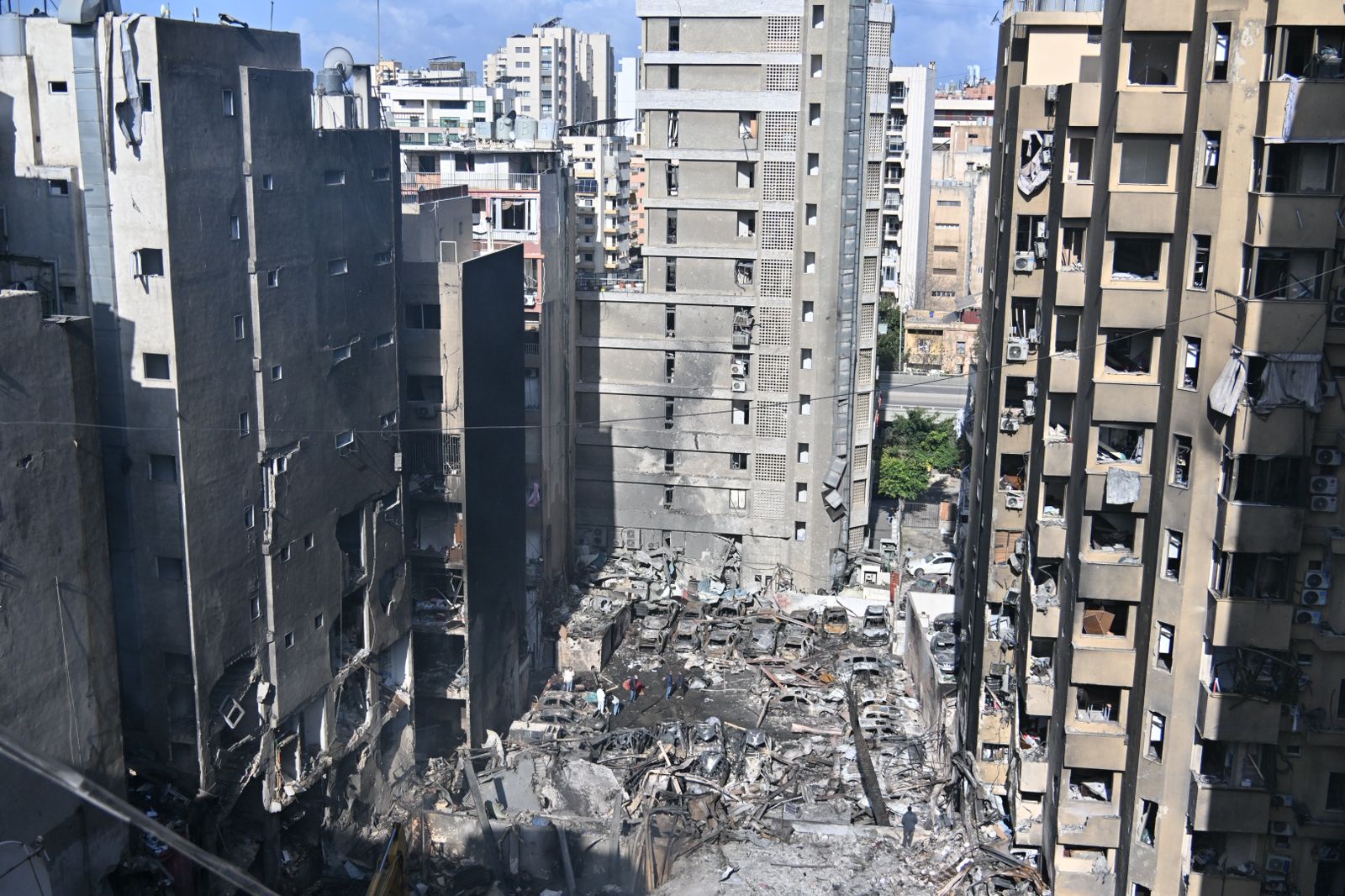
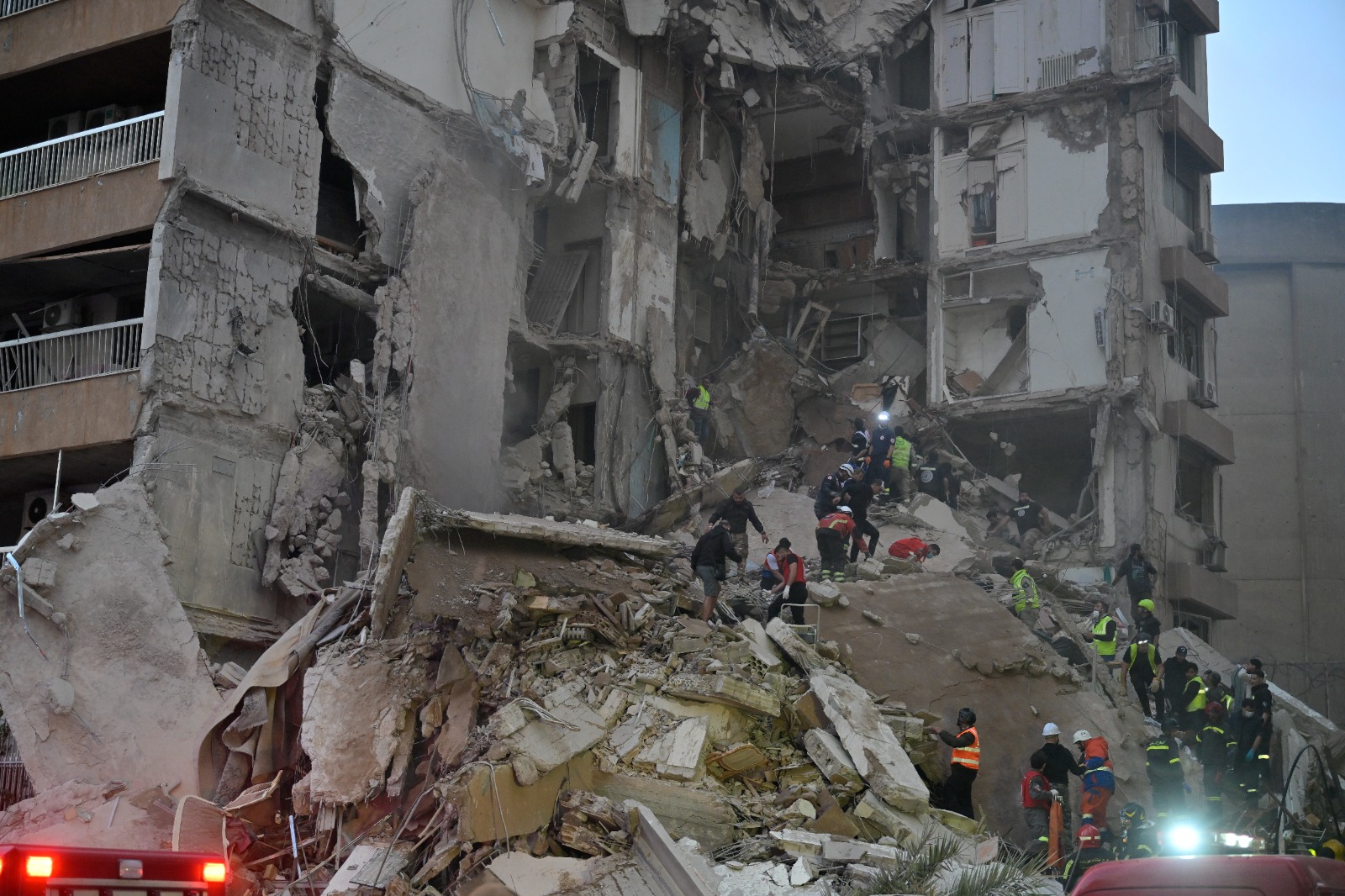
The destruction in Tallet al-Khayyat after the Black Wednesday massacre (photograph by Houssam Shbaro).
The National Council for Scientific Research described the rising destruction in Lebanon as an “unprecedented escalation,” accurately reflecting the extent of damage to the housing sector during just 35 days since the return of the Israeli war. In one month, more than 5,200 attacks were recorded, according to the council’s data for the period from March 2 to April 2, 2026.
According to the report, about 40,000 housing units were completely or partially destroyed within 35 days, between March 2 and April 7, 2026. The figures indicate that the total number of buildings significantly damaged or completely destroyed reached 37,836 units over the same period, reflecting an average rate of about 1,081 housing units per day.
This figure represents about 16% of the total recorded damages during the previous phases of the war, from October 2023 to November 27, and then from November 27 to March 2026.
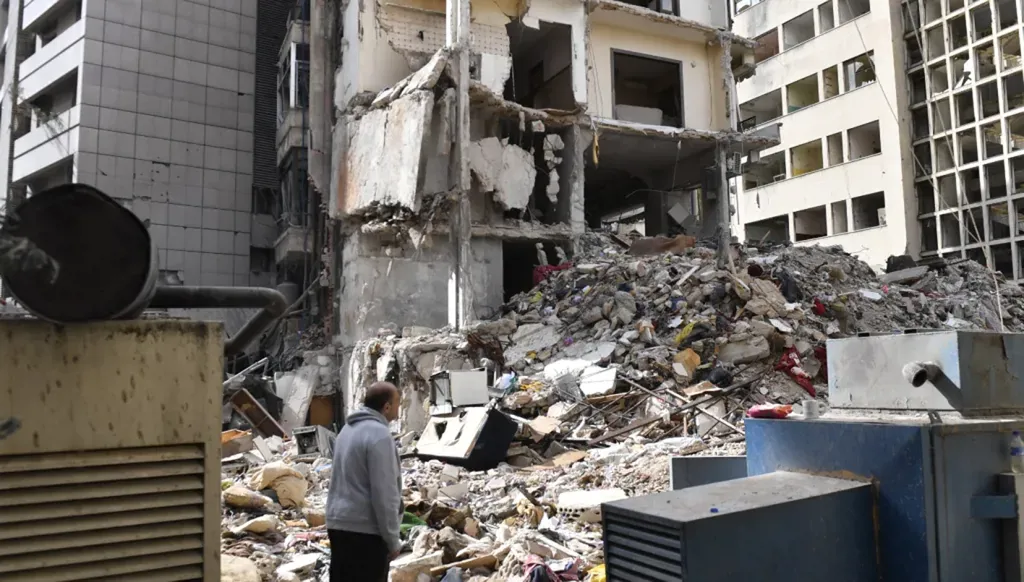
Geographically, Beirut’s southern suburbs topped the list of the most affected areas in the new report, with about 7,536 housing units destroyed, followed by Nabatieh with 7,065 units, then the Bint Jbeil district with 6,939 units, and finally the Tyre district with 6,363 housing units, reflecting the expanding scope and depth of the destruction.
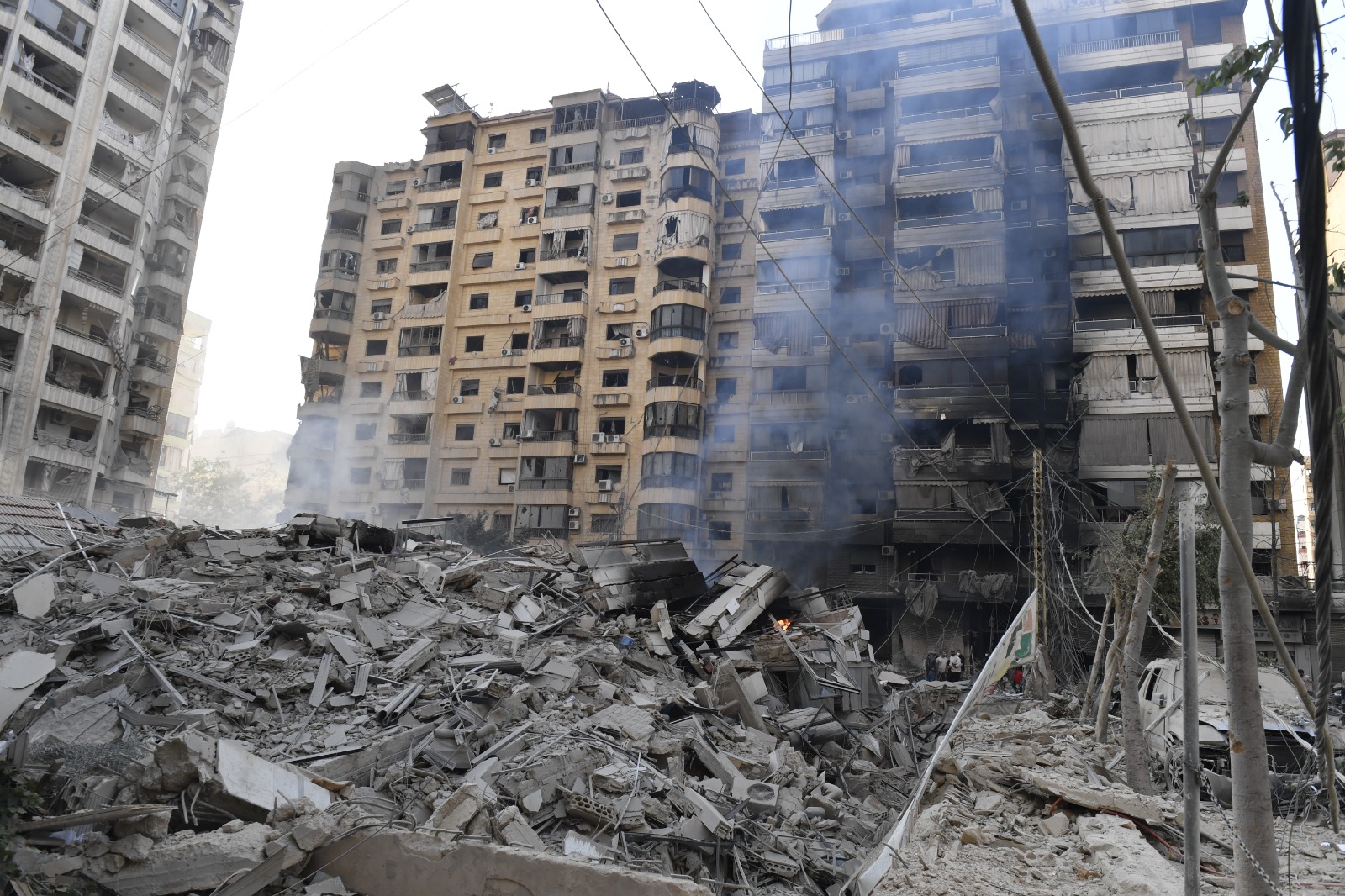
Destruction in Corniche Al-Mazraa in the capital Beirut due to Israeli raids (Photo by Houssam Shbaro- Annahar)
"There's nothing left"
Safaa Shmaisani, a native of Nabatieh, did not know she would witness the loss of her home and the fruit of her labor through a video clip circulated on a “group.” At first, she thought the targeted house resembled hers, before doubt turned into certainty—a bitter truth: the targeted house was her three-story home, in addition to family-owned commercial shops.
She tells Annahar: “On March 10, in one moment, I lost everything. My three-story house, each floor 400 meters with a large terrace, and our eight commercial shops that were our livelihood… all the fruit of our labor. In one moment, everything turned into rubble. There is nothing left.”
Safaa is one of dozens who lost their homes in this war randomly, as she describes, and without reason.
She believes that “the loss isn’t just in the stone, but in the memories, in the family gatherings, in the love upon which every stone was built. I didn’t lose a house made of concrete, but an entire life lived with my husband and children. We were building our dream step by step… only to find ourselves today in the open.”
Safaa recalls a series of losses that have accompanied her since childhood, when she and her family lived through displacement, bombing, and destruction. “We always said, God willing, we will rebuild, and this will be the last war.” But the scene repeats today, with even greater loss. “In one raid, we lost our source of livelihood and the fruit of our lifetime.”
How should we interpret these numbers?
These numbers reflect a significant acceleration in the pace of destruction, as a large portion of cumulative damage was recorded over a very short period. These insights are based on the national monitoring platforms of the council, which rely on remote sensing, artificial intelligence (crowdsourcing), community sources, field verification, and advanced data analysis, ensuring accurate, evidence-based reporting.
Comparing with previous war figures, the number of destroyed and damaged residential units reached about 230,000 over two years and three months. Although the overall total remains higher, what is notable today is the unprecedented acceleration of destruction, carried out over a short period and with greater intensity, with widespread targeting that has often led to the complete destruction of buildings and residential neighborhoods.
The “Black Wednesday Massacres” are a stark example of this escalating pattern, where Israeli raids within just ten minutes caused immense destruction, reflecting the level of violence and intensity of targeting in the current phase.
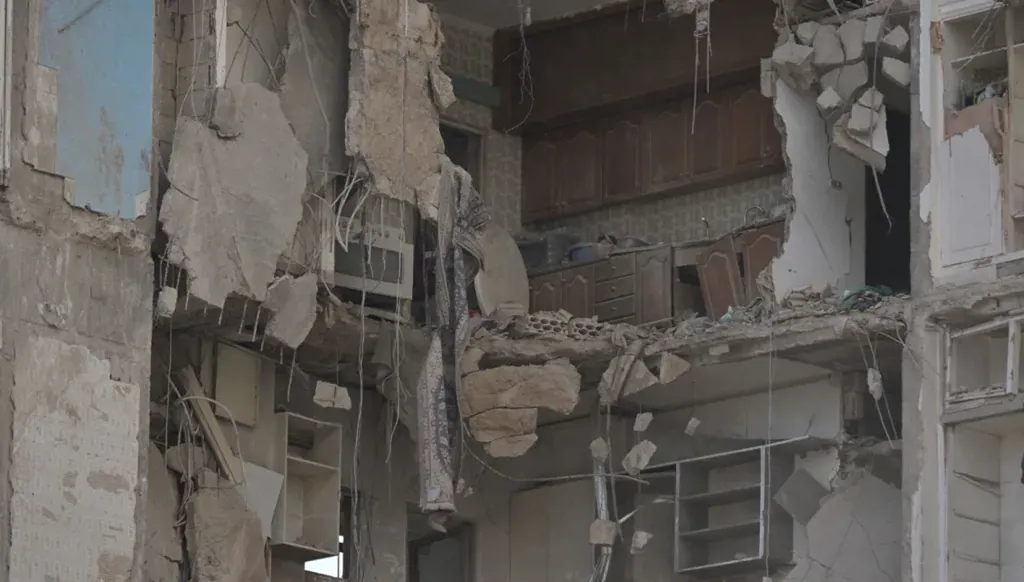
Damage from an Israeli raid on Abi Haidar Tower (Photo by Nabil Ismail - Annahar).
A comparison between the 2024 and 2026 wars
The comparison between the numbers of destroyed and damaged residential units (totally and partially) during the war in Lebanon between 2024 and 2026 shows a clear discrepancy in the extent of destruction and its geographical distribution, with a notable escalation in the recent period.
Mount Lebanon and Beirut governorates topped the list of the most affected areas, with about 95,934 housing units destroyed or damaged during the 2023–2024 war, compared to 7,947 units during the 2026 war, within just 35 days. This is followed by Nabatieh governorate, which recorded 86,046 damaged units in the previous war, compared to 18,972 units in the current war.
In third place came the Southern governorate with 37,059 previously damaged units, compared to 8,847 units today.
The Baalbek-Hermel governorate recorded 8,199 damaged units in the previous war, compared to 1,233 units currently, while the Bekaa governorate ranked last with 3,180 units previously, compared to 837 units in the current stage.
While the total figures from the previous war remain the highest, the most alarming indicator is the acceleration of destruction during the current war, with these losses recorded over a very short period.
It is worth noting that the housing sector was the most affected during the 2024 war, with damages amounting to about $4.6 billion, equivalent to 67% of total damages, according to the World Bank’s Rapid Damage and Needs Assessment report for the period 2023–2024.
An economic reading of the current destruction
In the past war, direct damage costs were estimated at about $6.8 billion, while the heavier burden came from economic losses resulting from the paralysis of public movement and the halt of production, particularly in the south, the Bekaa, and the southern suburbs, along with a decline in travel and tourism estimated at about $7.2 billion. Thus, total losses amounted to about $14 billion, distributed between material destruction and economic contraction. Based on these figures, Lebanon required approximately $11 billion during the 2023–2024 war for reconstruction.
Conversely, economist Patrick Mardini explains that the cost of direct destruction, estimated at $6.8 billion, is distributed between $4.5 billion in housing unit damages and $2.3 billion covering destruction of commercial institutions and debris removal costs. Meanwhile, the estimated $11 billion reconstruction cost allocated about $6.2 billion to rebuilding housing units, according to the World Bank report for the period 2024–2025.
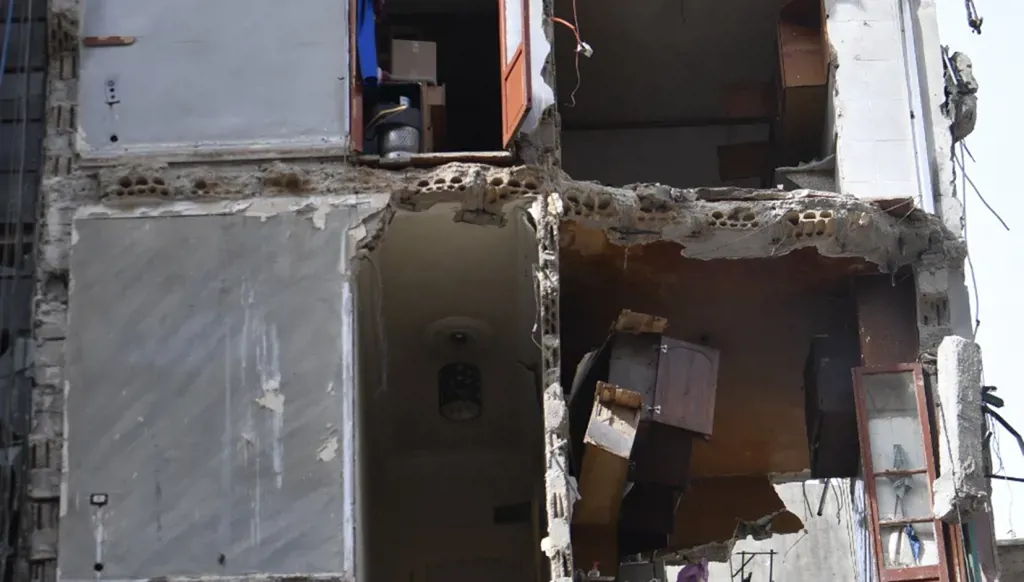
Destruction in the southern suburbs of Beirut (Hussam Shbaro - Annahar).
Funding as the biggest challenge
These figures today vary with the expanding scale of destruction and the continued severity of the war, as it becomes evident, according to the economic expert, that the extent of damages has become much larger, particularly in border villages and other southern villages, as well as parts of the Bekaa and the southern suburbs. In this context, discussion of recovery or reconstruction cannot take place without starting from the fundamentals, namely the repair of vital infrastructure, from electricity, water, and sewage networks to telecommunications.
However, the biggest challenge lies in funding, as the Lebanese state has traditionally financed these projects, while today—as Mardini points out—“the state does not have the necessary resources.” Hence, relying on private sector initiatives emerges as one of the proposed solutions for rebuilding infrastructure in affected areas, by allowing direct investment, away from linking funding to the state or donor agencies through loans, which may take years to materialize on the ground.
The main question remains: how can the private sector be incentivized to invest in infrastructure rebuilding projects? Mardini responds that the first step is to reassure investors about the stability of the situation, so that investments are not subject to wars or renewed strikes. In this regard, the ongoing negotiations between Lebanon and Israel may serve as an initial indicator of the possibility of reducing risks, thereby encouraging investment inflows instead of hesitation to enter a potentially loss-making sector amid ongoing conflicts.
In parallel, Mardini emphasizes the importance of reactivating the war-exhausted economic sector, not only in the affected areas but across Lebanon as a whole. He points out that the tourism sector used to provide the Lebanese economy with approximately $6 billion annually, an essential contribution to financing import costs and meeting vital needs. Therefore, the shorter the war duration and the faster a settlement is reached, the lower the losses and the greater Lebanon’s ability to mitigate their economic repercussions.






 Messenger
 Whatsapp
 Threads
 Email
Email
 Print
Print
 X
X
 Facebook