

Iran under maritime blockade: How trade routes are being rewritten across land, sea, and politics



 Messenger
 Whatsapp
 Threads
 Email
Email
 Print
Print
 X
X
 Facebook


Land routes: Between openness and constraints
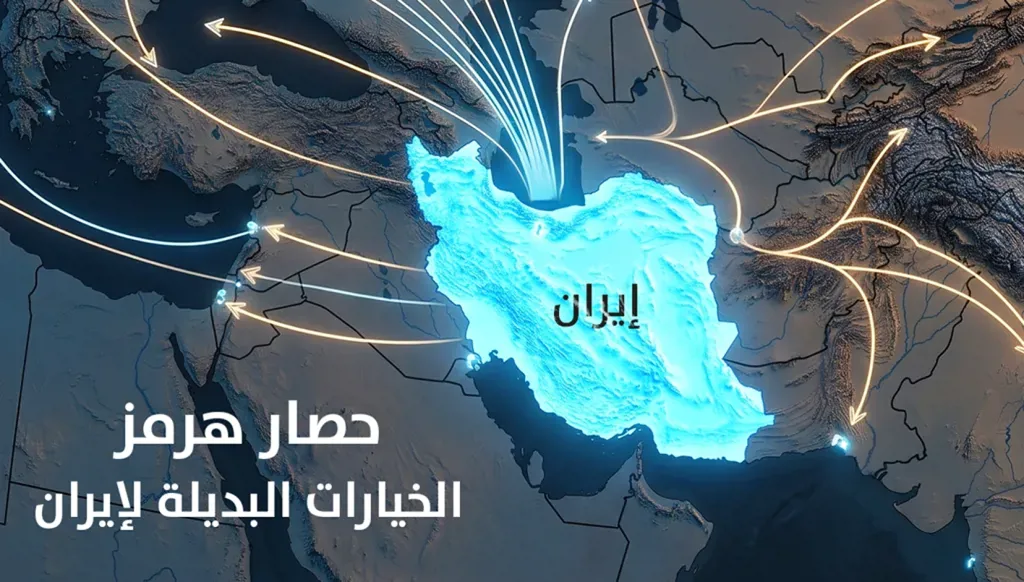
Iran relies on land routes as a strategic outlet under the maritime blockade due to its geographical link to six important countries. According to Abdul Karim, “the exchange volume across these borders exceeds 20 billion dollars annually, with Iraq accounting for between 10 to 12 billion, and 6 billion with Turkey,” considering this route as “complementary to maritime trade and not a replacement.”
Abdul Karim sees the “INSTC corridor, stretching 7,200 kilometers from southern India through Iran to Russia and northern Europe,” as the biggest land-based bet. The main advantage is that a substantial portion of it passes through the enclosed Caspian Sea, outside any maritime blockade. However, the corridor suffers from a 162-kilometer gap between Rasht and Astara that has yet to be completed, despite investment agreements worth 1.6 billion dollars, forcing reliance on slower land routes and reducing its competitive efficiency.
To the east, routes through Pakistan to China emerge, with the Mirjaveh-Zahedan line being a major driver for land and rail transport. This route ties into the “Belt and Road” initiative, offering Iran a chance to integrate into a larger Asian network, whether through the port of Gwadar or via direct land infrastructure. This corridor enables securing part of food needs, particularly grains, alleviating pressure on maritime imports.
Abdul Karim notes that “China, having increased its trade with Iran from 16 to more than 31 billion dollars between 2021 and 2023, is likely to redirect its commerce overland through Russia and Central Asia if the sea is closed, though military confrontation remains a red line for Beijing in the near term.”
To the west, the border with Iraq is one of the most important land outlets despite the rugged Zagros Mountains terrain. The Shalamcheh crossing is one of the busiest, with thousands of trucks passing through daily. Tehran relies on Iraq to access Turkey and Central Asia through logistical projects such as the Grand Faw Port, despite external influence complexities and weak infrastructure.
Conversely, other options remain limited; tensions with Azerbaijan hinder supply routes, while Turkmenistan and Afghanistan face poor infrastructure, challenging geography, and a lack of sea outlets.
Domestic production: Partial resilience, not complete self-sufficiency
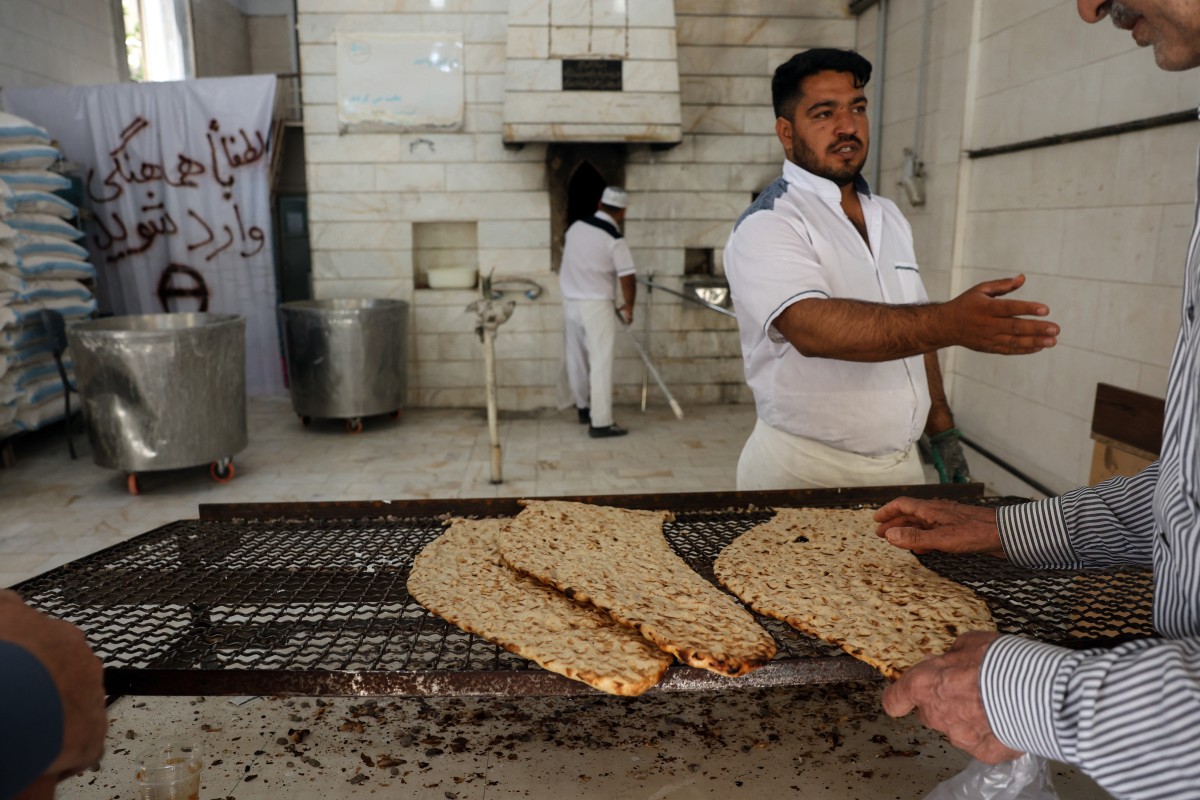
Iran's alternatives cannot be understood without looking inside the economy, as official data points to improvements in the production of some essential goods, especially wheat. However, Iran still classifies about 25 strategic goods as necessary, including grains, oils, sugar, and tea.
The country has previously had to import more than 7 million tons of wheat, highlighting the ongoing gap between production and consumption. Consequently, domestic production helps enhance resilience and mitigate the effects of the blockade, but it does not achieve full self-sufficiency, leaving the country partially reliant on imports.
Effectiveness of the blockade: A temporary crisis or sustainable collapse?
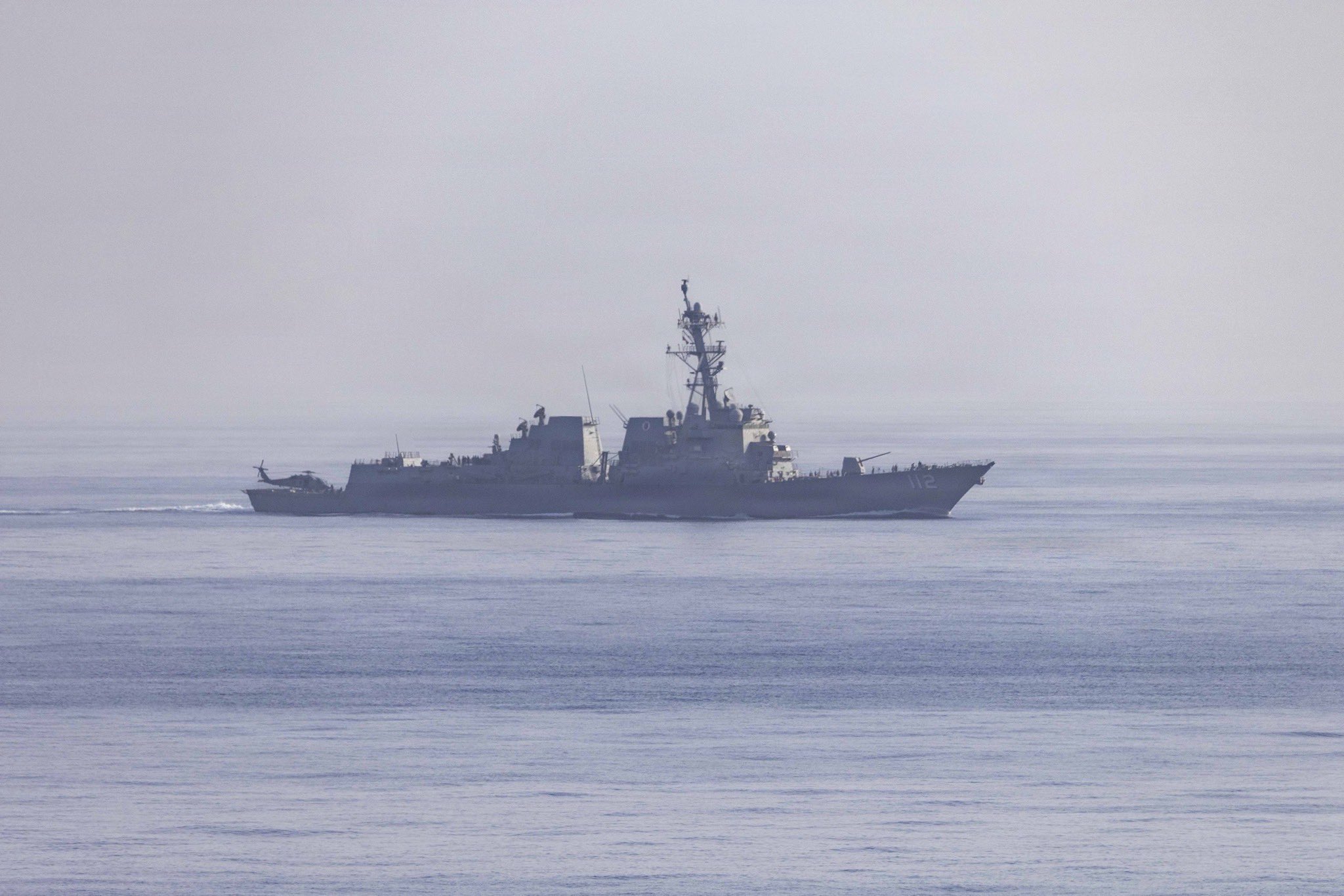
Following the end of the 12-day war, Iran has spent an entire year under what U.S. President Donald Trump's administration called “maximum pressure,” with Washington placing more than 180 tankers on sanctioned lists and targeting financing networks and intermediaries. Abdul Karim states that “the result was less than U.S. planners expected, as oil exports declined by only 7% in 2025, with revenues reaching about 60 billion dollars.”
He adds that the “shadow fleet” and partnership with China have provided routes that are still operating, noting that during the early weeks of the war, Iran exported 55.22 million barrels at prices occasionally exceeding $100, generating significant profits in a short period.
However, he asserts that the current blockade represents a “qualitative escalation” because “financial sanctions leave room for evasion, whereas warships actually prevent passage.” With the end of oil waivers, Iran’s movement in the international market becomes more restricted.
Abdul Karim estimates the cost of halting oil exports at about 435 million dollars daily, equating to 13 billion dollars monthly, indicating that oil finances between 13 and 25% of GDP and over a quarter of the general budget, meaning the impact extends to the entire economy.
He sees the blockade’s effectiveness as linked to two primary variables: China’s stance on engaging in confrontation and its ability to wait, as well as the blockade’s duration, since the global oil price hike—surpassing 102 dollars per barrel—could generate internal pressure on the U.S. administration ahead of the 2026 elections.
Iran appears to be managing a complex network of alternatives that provide room for maneuver but do not fully compensate for the loss of its southern maritime outlet. As Abdul Karim concludes, these routes “achieve a fragile balance sufficient for survival, not prosperity."
Thus, Iran may succeed in opening limited northern and land routes, but it still lacks an alternative of comparable importance and vitality to its southern ports in its foreign trade system. The future of this balance depends more on negotiation dynamics than on geography or economics alone.