

Washington talks open with low expectations for Lebanon–Israel negotiations
As indirect negotiations begin in Washington, deep divisions remain over a ceasefire, Hezbollah’s disarmament, and Israel’s security plans, with officials warning that a breakthrough is unlikely in the near term.



 Messenger
 Whatsapp
 Threads
 Email
Email
 Print
Print
 X
X
 Facebook
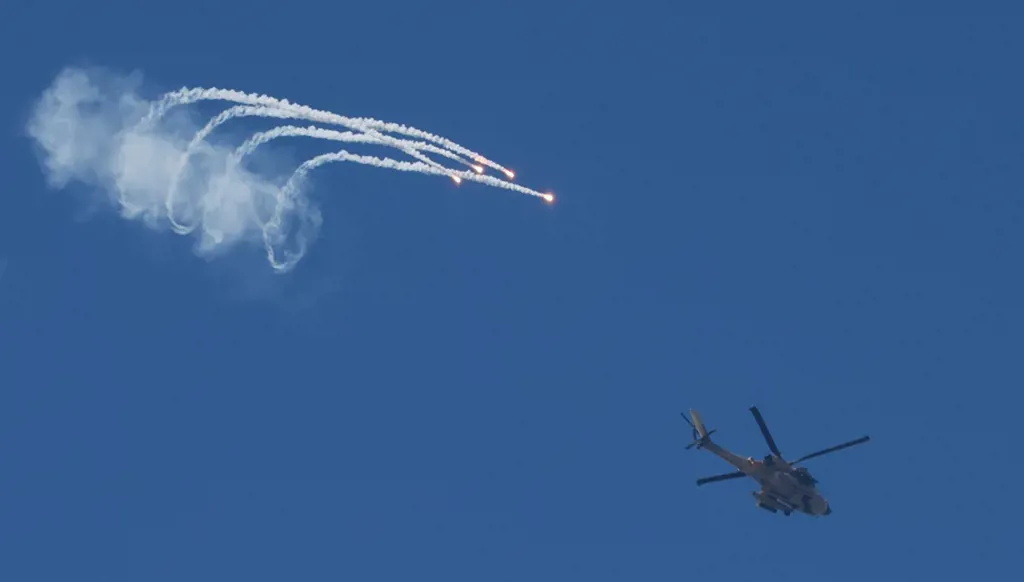


Attention today is directed to Washington, where a direct meeting between Lebanon and Israel is taking place with American participation, for the first time since the 1983 negotiations.
According to information from Annahar, the Washington talks today represent an opening round for deeper negotiations that will begin later, led by a Lebanese delegation headed by former ambassador Simon Karam. These sessions are expected to be held in Cyprus. The realities on the ground in the region on one hand, and Lebanon’s internal situation on the other, are creating strong doubts about what these negotiations can achieve if they are allowed to continue without unexpected developments on the ground or diplomatic obstacles that could disrupt their course.
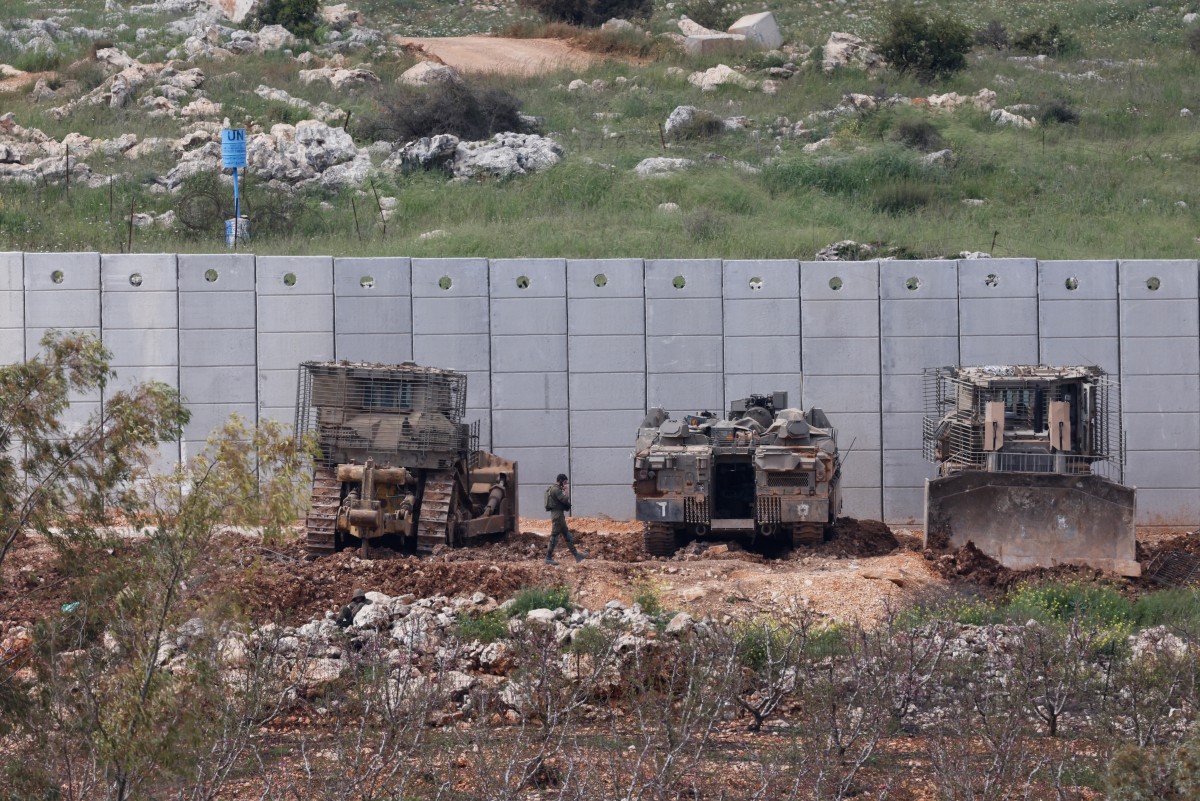
It is known that Lebanon went into the opening of the negotiations with the demand for a ceasefire first, before any talks begin, while Israel is approaching them with a refusal of a ceasefire and with an escalation of its ground operations to expand the buffer security zone it currently seeks to establish, as well as with the demand to disarm Hezbollah and achieve peace between Lebanon and Israel.
For its part, the Hebrew newspaper Haaretz reported today, citing sources, that Israel’s ambassador in Washington has been instructed to reject any request for a ceasefire while negotiations with Lebanon are ongoing. The ambassador will also emphasize that the war will continue in order to disarm Hezbollah.
Haaretz also quoted the Israeli ambassador in Washington as saying that the preliminary talks with Lebanon were positive, and that everyone agreed that if Hezbollah is set aside, it would be possible to reach an agreement within two to three months.
In addition, the Israel Army Radio reported that the goal of today’s meeting is to establish a general framework for negotiations with Lebanon, including timelines.
Meanwhile, the Israeli channel i24NEWS quoted a source in the U.S. State Department as saying that the talks between Israel and Lebanon will focus on continuing previous discussions on ways to ensure security along the border between the two countries, and on supporting the Lebanese government in achieving full sovereignty over its territory.
The anticipated meeting taking place today
A table at one of the offices of the U.S. State Department in Washington today will bring together Lebanon’s ambassador to Washington, Nada Hamadeh Mouawad, and her Israeli counterpart Yehiel Leiter, with the participation of the U.S. ambassador to Lebanon, Michel Issa, and an official from the U.S. State Department.
The Israeli Channel 15 reported, citing sources, that the meeting between the Israeli ambassador and the Lebanese ambassador will be held on Tuesday at 11 a.m. Washington time, which is 6 p.m. Beirut time.
For his part, a U.S. official told Agence France Presse that the chances of reaching an agreement appear slim.
Meanwhile, Israeli government spokesperson Shosh Bedrosian said on Monday that this dialogue between Israel and Lebanon aims to disarm the terrorist organization Hezbollah, expel it from Lebanon, and establish peaceful relations between the two countries.
She added that they will not negotiate a ceasefire with Hezbollah, which continues to carry out indiscriminate attacks against Israel and its civilians.
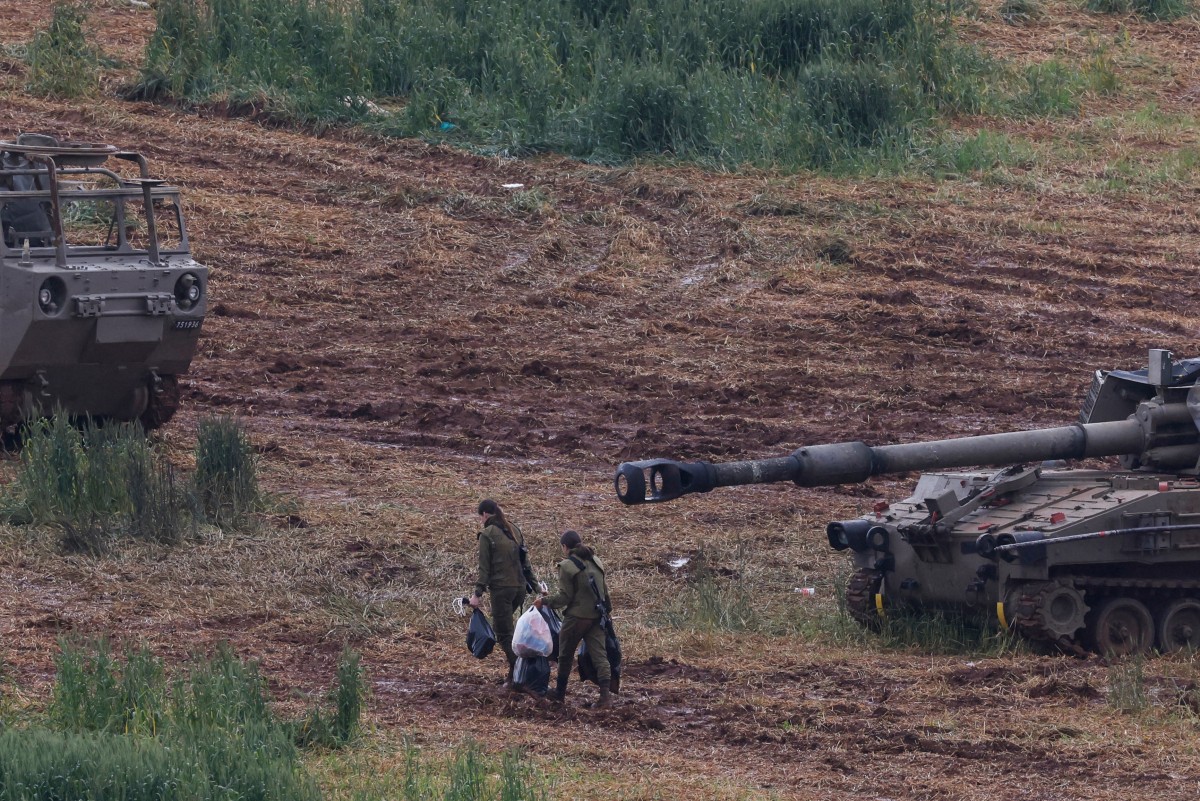
Low expectations for the negotiations
The administration of U.S. President Donald Trump is insisting on the disarmament of Hezbollah, expressing regret that the Lebanese army has not been able to do so so far. However, Washington finds itself caught between two pressures: while it calls for respect for Lebanon’s territorial integrity, it also defends Israel’s right to self defense.
A former Israeli security official told journalists that it would take a great deal of imagination and optimism to believe that the conflict between Israel and Lebanon can be resolved tomorrow Tuesday in Washington, adding that expectations are very low.
He also told Agence France Presse, on condition of anonymity, that it would be very difficult to reach an agreement, and that Israel would establish a buffer zone in the north, very similar to the one it has in Gaza.