

Global alarm grows as U.S.–Iran standoff brings Strait of Hormuz shipping to a halt
From halted tankers to emergency diplomacy, the crisis tests global energy security as Iran, Washington, and world powers brace for escalation.



 Messenger
 Whatsapp
 Threads
 Email
Email
 Print
Print
 X
X
 Facebook
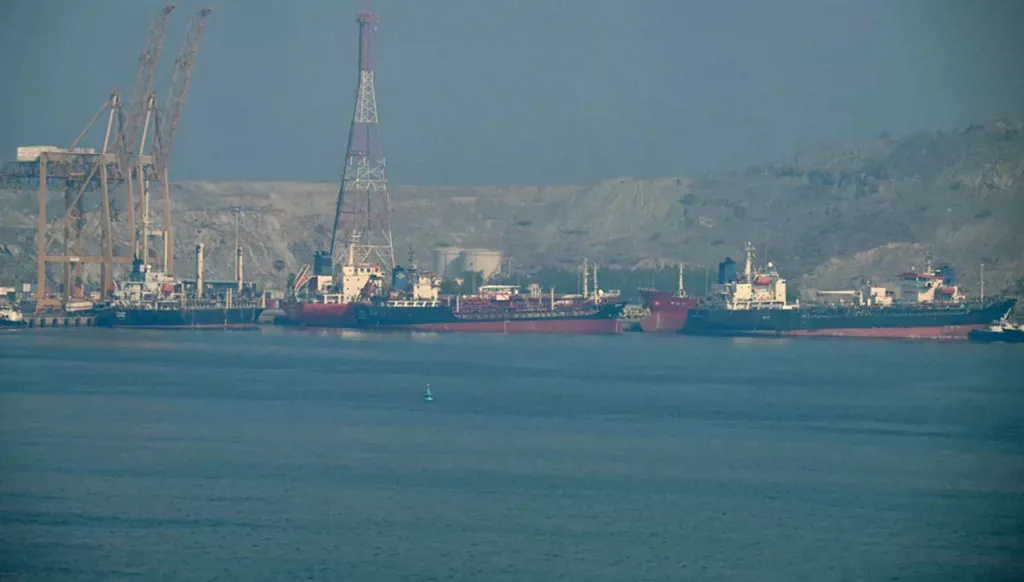


The Strait of Hormuz crisis has entered an unprecedented stage of escalation after U.S. President Donald Trump announced the start of a naval blockade on ships entering and exiting Iranian ports, effective Monday morning, sparking a wave of international reactions and raising tensions in one of the world’s most critical energy arteries.
Trump stated that the decision came after the collapse of 21-hour negotiations with Iran in Islamabad, accusing Tehran of having “chosen nuclear weapons over peace,” while the White House confirmed that “all options are on the table” in addressing the crisis.
Iran
In response, Iran described the U.S. move as “illegitimate and amounting to piracy,” and a spokesperson for the Iranian armed forces announced that Tehran would implement a “permanent mechanism” to control the Strait of Hormuz, warning that “Gulf ports must be open to all or open to none,” and threatening that no port in the Gulf or Gulf of Oman would be safe if Iranian ports are endangered.
International reactions