

Middle East anxiety grows as peace talks collapse and tensions escalate
With failed US Iran negotiations, rising regional fears, and renewed military actions across multiple fronts, hopes for stability in the Middle East are rapidly fading.



 Messenger
 Whatsapp
 Threads
 Email
Email
 Print
Print
 X
X
 Facebook
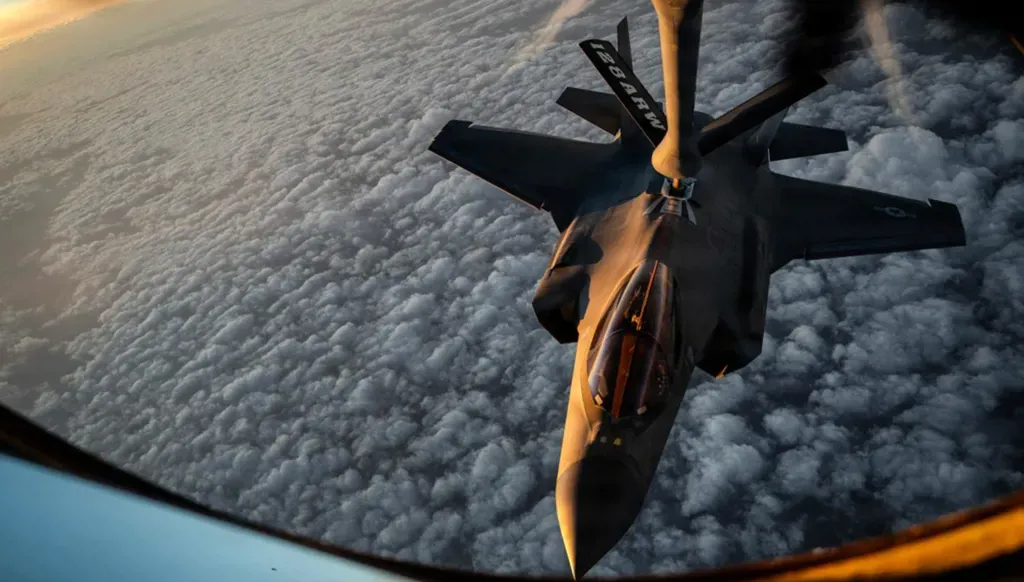


A feeling of anxiety is spreading across the Middle East after the collapse of talks between the United States and Iran in Islamabad, amid fears that fighting could resume in a region already marked by tension, especially after US President Donald Trump’s decision to impose a naval blockade on the Strait of Hormuz.
After more than 20 hours of negotiations in the Pakistani capital, Islamabad, US Vice President JD Vance admitted that the wide gap between Washington and Tehran’s positions was too large to bridge. As a result, the American and Iranian delegations left Pakistan without reaching any agreement, leaving the future of the two week ceasefire uncertain.
The failure of the negotiations did not come as a surprise to many in the region.
In Doha, Aisha, a 32 year old economic advisor, says that “the situation can change at any moment… people are living day by day.”
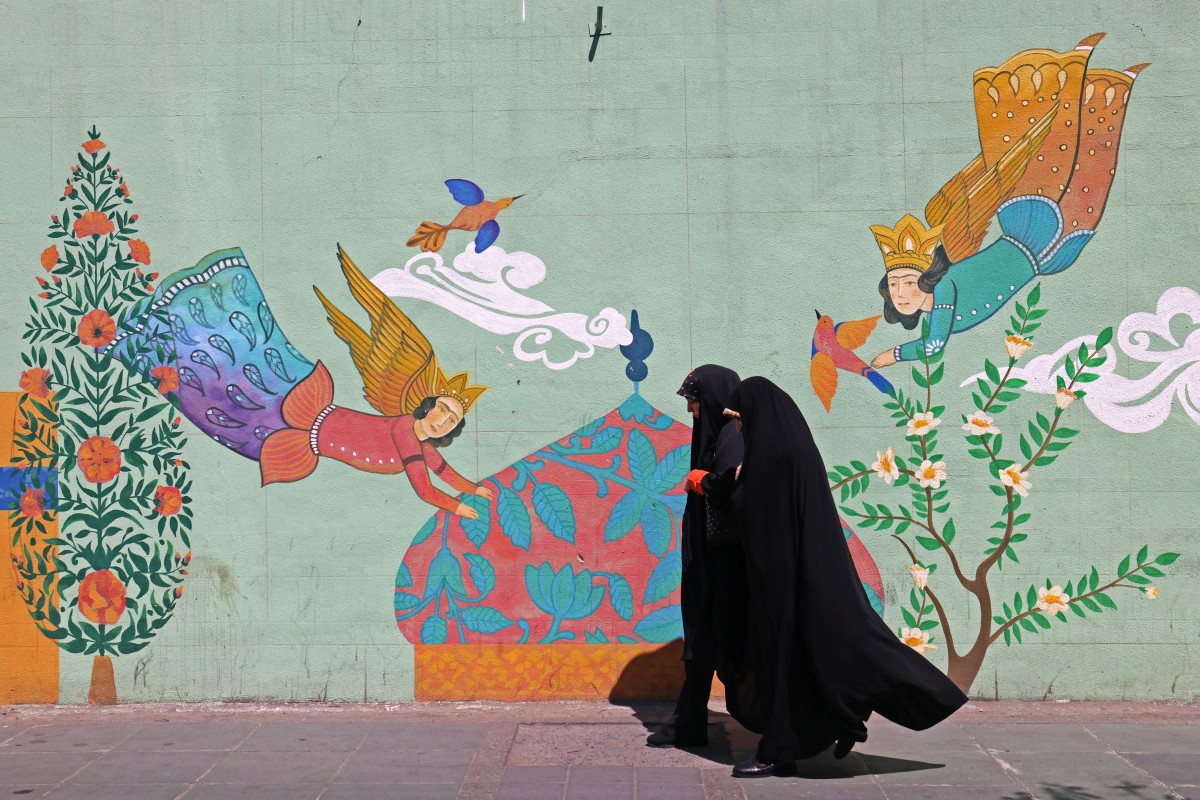
According to a recent opinion poll, only 10 percent of Israelis view the war against Iran as a “major success,” while 32 percent consider it a “failure.”
In Iran, hopes that the talks would lead to an end to the fighting between the long standing rivals have faded. According to Mahsa, a 30 year old employee at an export company in Tehran, “I really wished they could achieve peace… it has been about 45 days and everyone is living in tension. The situation is bad.”
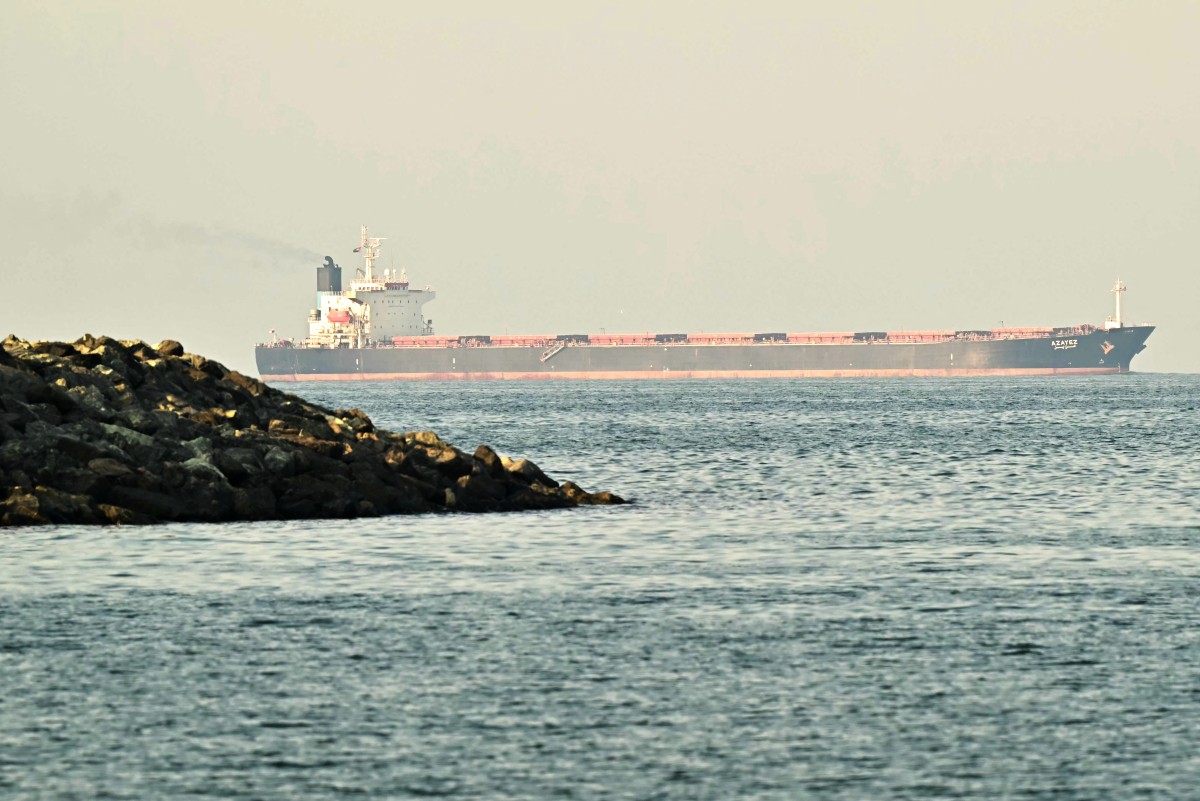
At this time, US President Donald Trump issued an order imposing an immediate naval blockade on the Strait of Hormuz, pledging to intercept any ship that pays fees to Tehran. He wrote on Sunday, “Any Iranian who fires at us or at civilian ships will be sent to hell!”
These developments came while many in the region were hoping for a return to normal life.
Earlier on Sunday, the Saudi Ministry of Energy announced that the main East West pipeline, along with other energy facilities, had been brought back into operation after Iranian attacks on targets in the Gulf.
Amin, an Egyptian pharmacist living in the Eastern Province of Saudi Arabia, believes that “the war could suddenly restart… I am worried about the return of war and the expansion of targeting.”
In Iran, many have begun to feel that escalation is now unavoidable.
For Hamed, 37 years old, “I would have preferred peace, but it seems there is no escape from war… based on what I see and hear, unfortunately we are heading toward a new war, and it seems it will be a long one.”
Meanwhile in Lebanon...
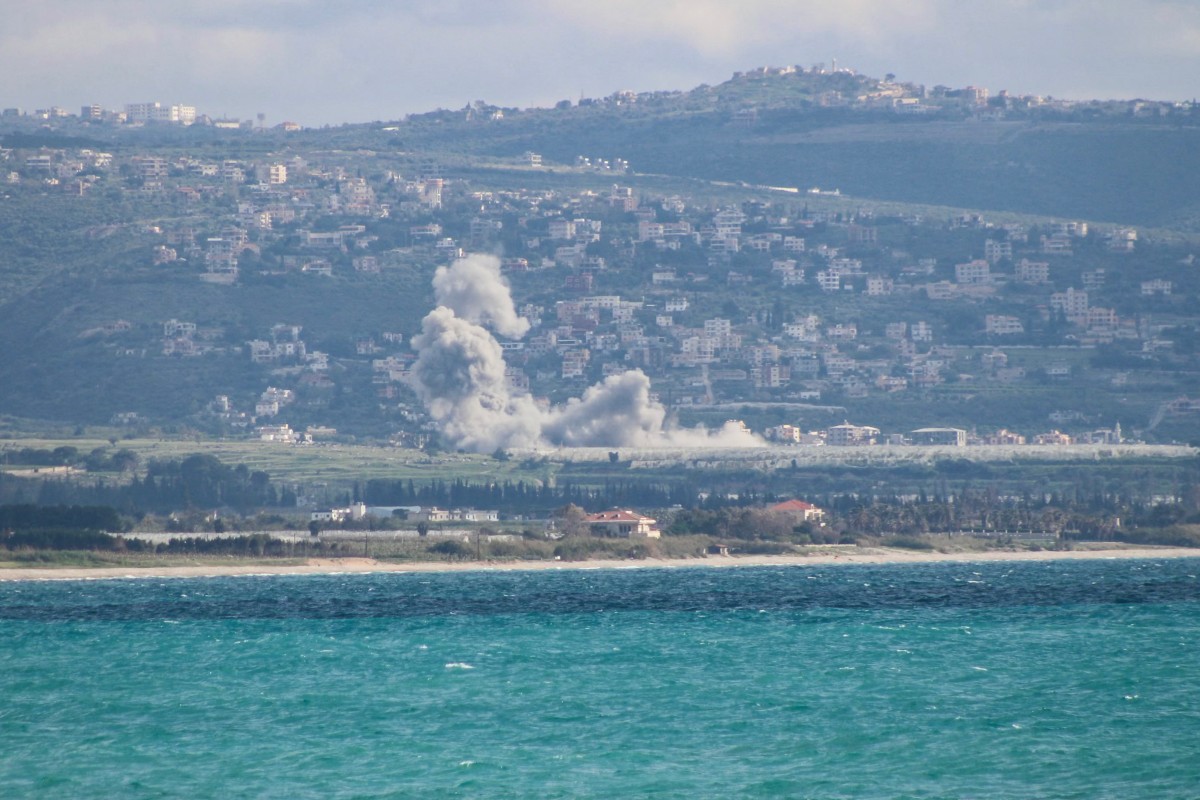
In Lebanon, a ceasefire has not even begun, as there is disagreement over whether the country is included in the truce, while Israel has intensified its strikes there.
According to dentist Kamal Qatish, Lebanon has become “a battlefield where the whole world is fighting,” adding that much depends on the progress of peace efforts. He continues, “If the negotiations collapse, Lebanon will not be the only one affected, but the whole world… only a madman does not feel fear.”