China between Iran and the U.S.: War reports, arms rumors, and strategic constraints

US 13-04-2026 | 08:13

China between Iran and the U.S.: War reports, arms rumors, and strategic constraints

As reports swirl over Chinese arms transfers and U.S.-Iran tensions, Beijing walks a fine line between regional leverage and long-term economic ties with Washington
China between Iran and the U.S.: War reports, arms rumors, and strategic constraints
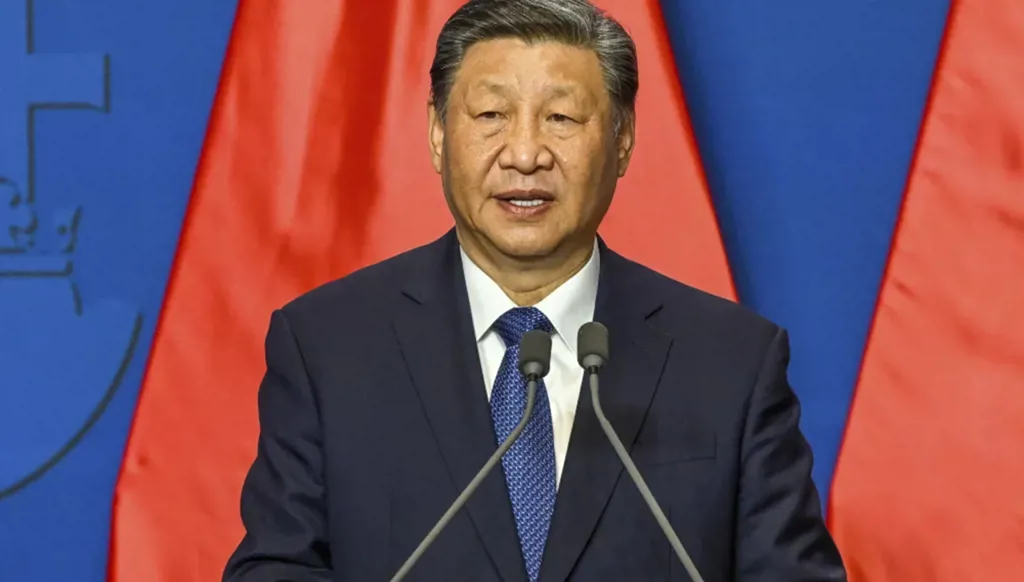
Chinese President Xi Jinping (AP)
Smaller Bigger


China has a long history of military cooperation with Iran. This relationship is becoming increasingly significant in light of the current U.S.-Israeli war on Iran, which is currently paused due to a truce.


On Friday, CNN reported from its sources that U.S. intelligence believes China is preparing to deliver a shipment of air defense systems to Iran within three weeks, possibly routed through intermediary countries. U.S. President Donald Trump responded to this possibility by saying that China could face “big problems.” The Chinese Embassy in the United States denied the report.


The downing of an American F-15 fighter jet earlier this month drew attention because Iran claimed it was caused by a “new” weapon.


According to sources from The New York Times, U.S. intelligence indicates that China may have shipped shoulder-fired missiles to Iran, but there is no confirmed information yet, and there is no evidence that they have been used against U.S. or Israeli forces. However, even the consideration of deeper involvement in the conflict indicates a shift within China, at least in some decision-making circles.


There are logical questions about whether China truly wants to “exhaust” the United States militarily in the region. On one hand, it is not inevitable for Washington to resume war with Iran, even after Saturday’s negotiations failed. On the other hand, China is set to welcome Trump in mid-next month after he postponed his visit, which was initially scheduled for late March.


In general, China favors the cessation of war, as it helps reduce oil and gas costs. China is also interested in maintaining a normal economic relationship with the United States, since U.S. demand for its goods has contributed to its rise to its current economic power.



A handshake between Presidents Xi and Trump in South Korea (2025 – AP).


Conversely, the trade war has led to a slowdown in China’s growth. Moreover, Beijing needs advanced semiconductor chips from the American company “Nvidia,” as Trump promised. These factors, among others, make easing tensions with Washington the most important factor in Beijing’s calculations regarding the war on Iran. Ultimately, China agreed to postpone Trump’s visit and set a new date for it, which implicitly suggests that Beijing needs to improve its relations with Washington despite formalities.


Furthermore, the war has not witnessed extensive casualties among American aircraft, which reduces the probability of Iran acquiring “new” defensive weapons. For example, only one known low-altitude A-10 aircraft has been recorded as hit, and it was likely related to the search for the F-15 pilot, unless it proves ineffective on a broader scale.


Same ending?


Before the war, reports spread that China might sell Iran Chinese J-10C fighters, as well as CM-302 anti-ship missiles and HQ-9B surface-to-air missiles. There is room for doubt as to whether these reported deals were actually realized.


Trump during his first visit to China in 2017 (AP).


China might benefit from the United States being “sunk” militarily in Iran, but that would not serve its long-term interests. Therefore, recent reports about the sale of shoulder-fired missiles to Iran may end, like previous arms reports, almost being forgotten.

Tags
China ، Iran ، US ، War ، Arms ، intelligence ، jets ، air defense