U.S.–Iran talks hang in the balance after Islamabad round ends amid conflicting signals
Negotiations between Washington and Tehran face uncertainty as delegations withdraw, regional alerts rise, and no clear path emerges for the next round of discussions.
The uncertainty surrounding the future of negotiations between the United States and Iran is increasing amid conflicting assessments regarding the outcome of the dialogue hosted in Islamabad, and whether it has reached a definitive deadlock or merely a temporary setback.
While some sources point to the difficulty of determining the negotiation path, others indicate that “the final decision is still under consultation within the White House, leaving the door open to various possibilities.”
“Maariv”: Decision still pending
The Israeli newspaper Maariv quoted sources as saying that “it is too early to definitively declare the collapse of negotiations between Washington and Tehran.”
The newspaper noted that “a new round of talks is not yet confirmed, and quick decisions may be made at the White House regarding the next step.”
Withdrawals and differences in the scene
In parallel, CBS reported that “several members of the American delegation, including Jared Kushner and Steve Witkoff, as well as the technical team, left Islamabad after the talks concluded, with no American representatives remaining in the city.”
An American official confirmed to Reuters that “Kushner and Witkoff have left Islamabad.”
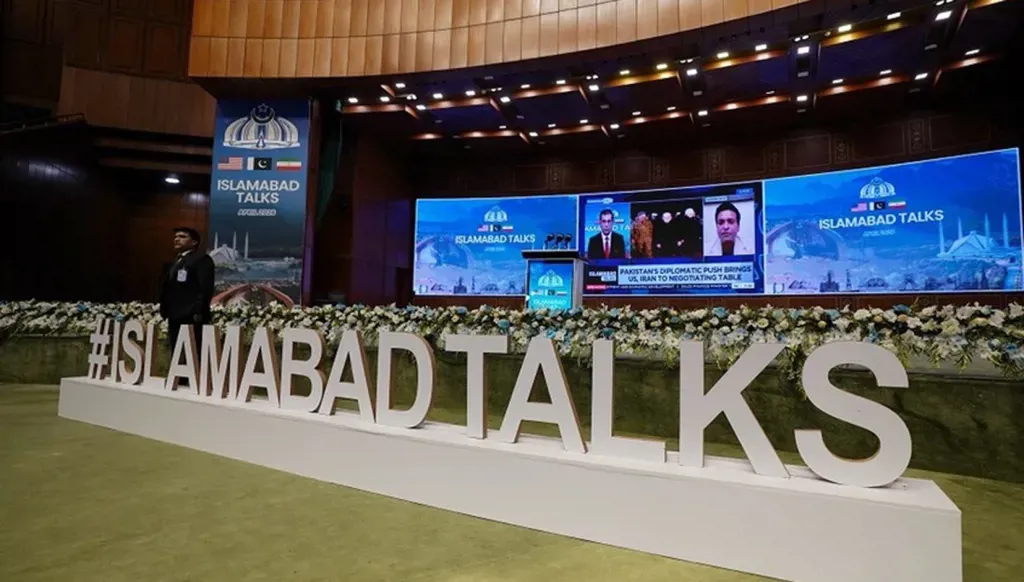
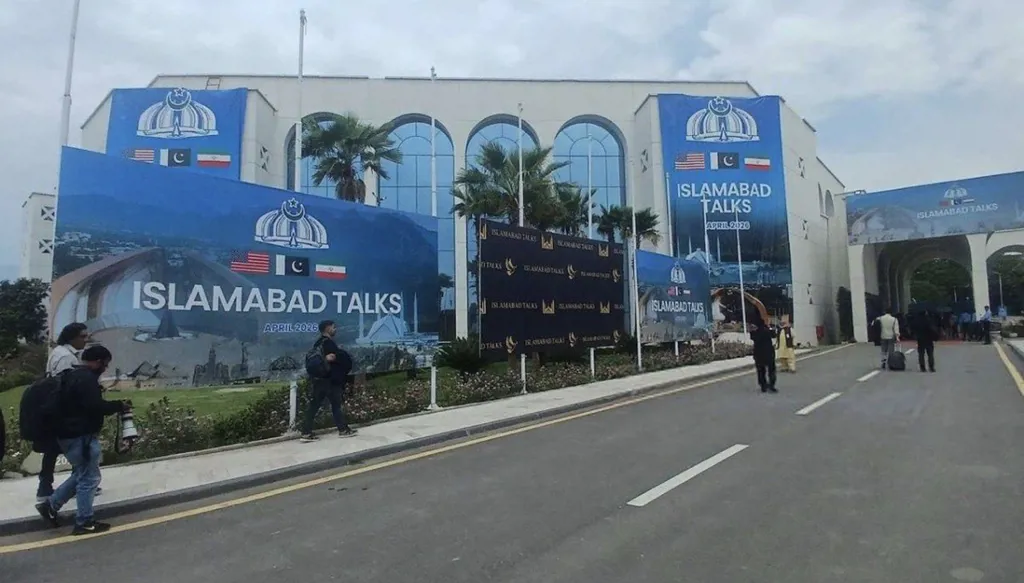
Location of Islamabad negotiations (X).
Israeli alert to escalation possibility In related developments, Israeli media, including Yedioth Ahronoth, reported that the Israeli army is on high alert amid the possibility of renewed confrontation with Iran.
The newspaper said: “The Israeli army is preparing for multi-front escalation scenarios in light of escalating regional tensions.”
It added that Chief of Staff Eyal Zamir had instructed the army to maintain immediate vigilance amid the possibility of renewed fighting with Iran.
Tehran: Ongoing trust crisis
Conversely, Iranian Parliament Speaker Mohammad Bagher Ghalibaf said his country had presented “forward-looking initiatives,” while the American side “failed to gain trust.”
He added: “America has understood our logic and principles, and now it is time for them to decide whether they can earn our trust or not,” expressing Tehran’s gratitude to Pakistan for facilitating the negotiations.
Sharp fluctuations in recent hours
Meanwhile, The Washington Post reported, citing a Pakistani official, that the talks experienced “sharp fluctuations,” especially as they extended into the early hours of the morning, reflecting the complexities between the parties.
The source added that the U.S. Vice President left Pakistan without clear plans for future participation, further indicating a lack of stability in the negotiation path.
Amid partial withdrawals and conflicting statements, negotiations between Washington and Tehran remain at a critical crossroads, with international anticipation over whether the next round will be held or whether the process has entered a phase of deadlock.





 Messenger
 Whatsapp
 Threads
 Email
Email
 Print
Print
 X
X
 Facebook