Beyond Hormuz: How Japan and Kazakhstan are rewiring global energy routes through the Middle Corridor

Opinion 12-04-2026 | 13:13

Beyond Hormuz: How Japan and Kazakhstan are rewiring global energy routes through the Middle Corridor

How shared nuclear memory and strategic connectivity are shaping a “moral realism” that redefines energy security, trade routes, and global stability beyond conflict zones

Beyond Hormuz: How Japan and Kazakhstan are rewiring global energy routes through the Middle Corridor
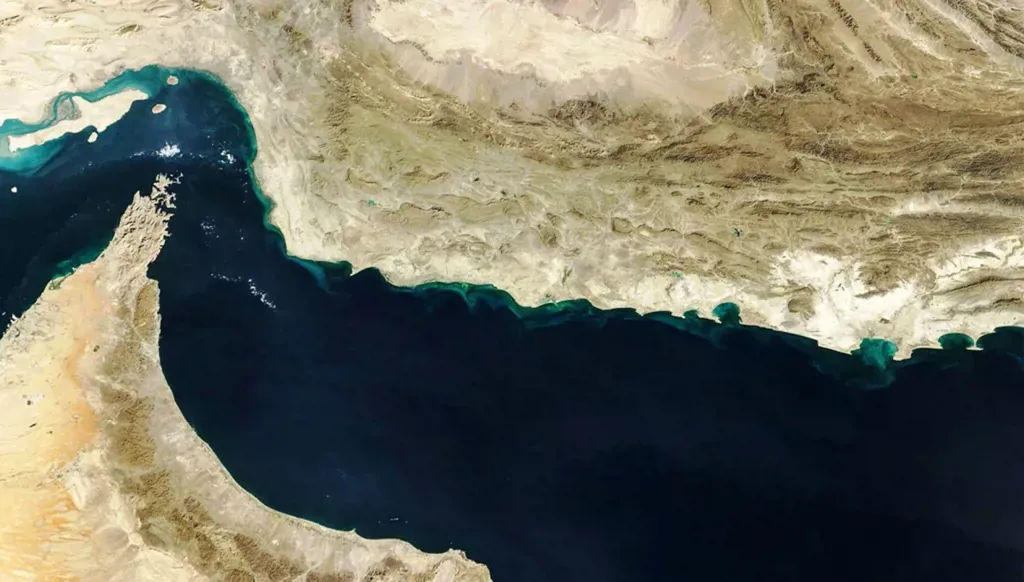
Strait of Hormuz. (AFP)
Smaller Bigger

Amid escalating tensions surrounding Iran and the disruption of navigation in the Strait of Hormuz, Japan faces a critical strategic dilemma today. Japan, whose economic cycle is closely tied to Middle Eastern oil, recognizes that this waterway has become a geopolitical “bargaining chip” capable of disrupting its vital interests.


This reality has prompted Tokyo to accelerate its efforts on the “Middle Corridor.” This route, connecting Central Asia with Europe via the Caspian Sea, is the “Actualité” (the issue of the hour) and the safest alternative. Japan’s investment in Kazakhstan’s “Kashagan” oil fields and its development of transcontinental railways clearly aim to create an “independent” energy and trade route that bypasses conventional conflict zones and ensures the flow of resources away from the volatility of the Arabian Gulf.

Emotional ground

This interest-based alliance is fundamentally built on a deep “emotional ground,” as Japan and Kazakhstan are united by a “nuclear wound” that has shaped their national identities. While Japan bears the legacy of Hiroshima and Nagasaki as the first victims of atomic bombs, Kazakhstan carries the scars of 456 Soviet nuclear tests conducted on its land at the “Semipalatinsk” site between 1949 and 1989. These tests left a tragic legacy of radioactive pollution and chronic illnesses affecting generations of Kazakhs. From this suffering, Kazakhstan made human security and the protection of life a top priority, and its decision to close the site in 1991 served as a national outcry for global peace and a rejection of the culture of destruction.


This shared history drives a “moral diplomacy” through which the two countries have successfully transformed their suffering into a global message advocating nuclear disarmament, transcending their relationship beyond the language of dry numbers to the language of human values and responsibility toward humanity’s future.


The stark contrast appears in the contemporary international scene: while regional and international powers are preoccupied with fueling conflicts and waging wars, indifferent to the potential economic and social catastrophes that closing waterways (such as the Strait of Hormuz) could cause the world, Japan and Kazakhstan choose a completely different path. It is a comparison between countries that expend their power on “coercion and threat,” and those that dedicate their political weight to building alternative routes, protecting state sovereignty, and ensuring the prosperity of peoples away from the language of weapons.


The shared nuclear memory has made both countries more committed to enhancing comprehensive human security that aims to free people from “fear” and from “need,” a concept embodied in the supreme purpose of stability as mentioned in the Quranic verse: {Who has fed them from hunger and gave them security against fear}. What Tokyo and Astana are building today is a model of “moral realism,” where energy security is not separate from security of principles.


The real lesson here is that the true strength of countries is not measured by their ability to threaten to close corridors, but by their ability to innovate alternatives that ensure the continuity of life and international cooperation. It is a partnership that proves “painful memory,” when paired with “strategic vision,” can create a more balanced international reality, founded on “peace” values and less dependent on transient crises.


Disclaimer: The opinions expressed by the writers are their own and do not necessarily represent the views of Annahar.