

Iran’s frozen assets become central issue in US-Iran negotiations



 Messenger
 Whatsapp
 Threads
 Email
Email
 Print
Print
 X
X
 Facebook
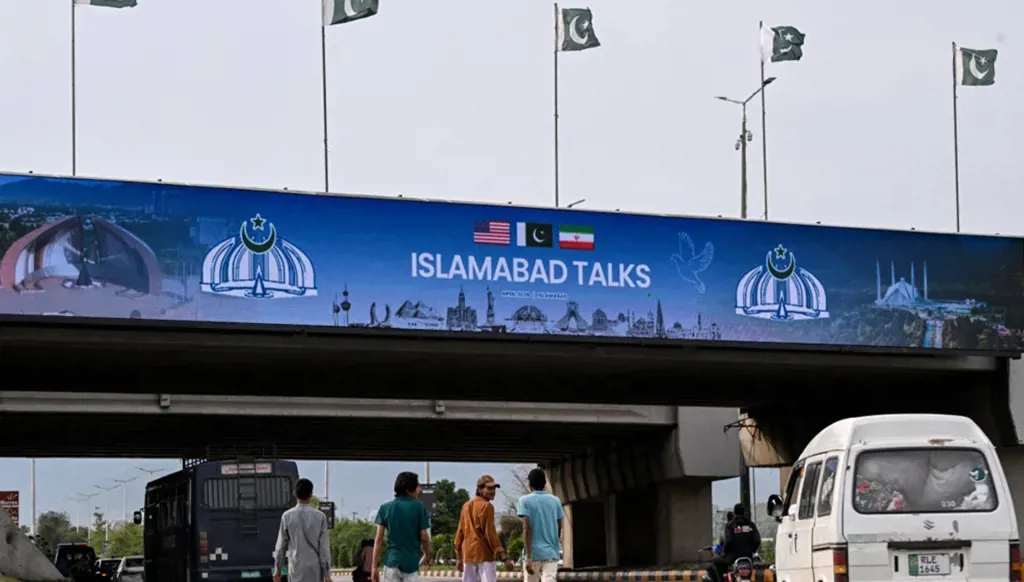


Iran’s frozen assets abroad have become an important topic in negotiations between the United States and Iran taking place in Islamabad.
The leader of the Iranian delegation, Mohammad Bagher Qalibaf, said that one of Iran’s main conditions in the talks is to lift the restrictions on its money held overseas.
So what is this about?
Iran has more than 100 billion dollars in assets that are frozen in other countries.
In the past, Iran kept its foreign currency reserves in bank accounts outside the country with large international banks. However, due to repeated sanctions, Iran has not been able to access this money. This has caused the value of its national currency to drop sharply.
These frozen funds are very important because they help provide foreign currency for the country. US Treasury Secretary Scott Bessent said in a hearing last February that the United States intentionally created a shortage of US dollars inside Iran. According to him, this contributed to economic instability and protests within the country.
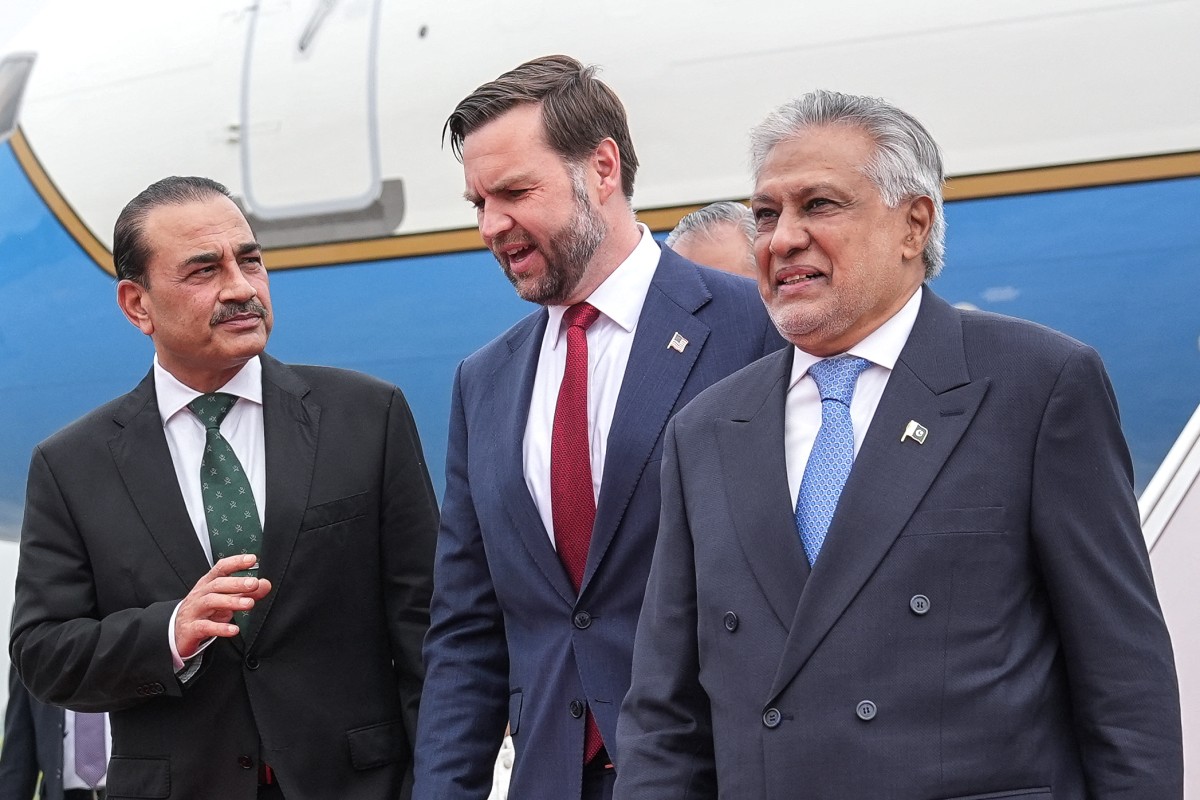
Before the outbreak of war, Iran was already facing an economic crisis, with annual inflation reaching about 68.1 percent in February, according to the Iranian Statistical Center, while the central bank estimated it at around 62.2 percent.
The United States has used sanctions to block Iran’s access to its foreign currency reserves. However, in some cases Iran was allowed partial access to these funds. After the nuclear agreement in 2014 with the United States and other Western countries, Iran was allowed to recover 4.2 billion dollars in frozen oil revenues held abroad.
In 2015, with the signing of the comprehensive nuclear deal (JCPOA), Iran agreed to reduce its nuclear program and allow international inspections in exchange for the release of more than 100 billion dollars of its frozen assets.
Where are these assets?
According to media reports, a large portion of this money is held in South Korea and Japan, as well as in accounts in other countries such as China, Germany, India, and Turkey.
The US Financial Crimes Enforcement Network reported that some oil related transfers linked to Iran passed through countries such as Singapore, reaching companies suspected of having ties to Iran.
The issue of frozen assets dates back to 1979, following the Iranian Revolution and the seizure of American hostages at the embassy in Tehran, when US President Jimmy Carter ordered the freezing of about 12 billion dollars of Iranian assets.
In 1981, part of this money was released under the Algiers Accords, which ended the hostage crisis, while another portion was used to settle financial disputes.
Successive sanctions related to Iran’s nuclear program, ballistic missiles, and support for groups designated as terrorist organizations have greatly expanded the scope of frozen assets.