

Iran and US hold high stakes talks in Pakistan as regional violence continues



 Messenger
 Whatsapp
 Threads
 Email
Email
 Print
Print
 X
X
 Facebook
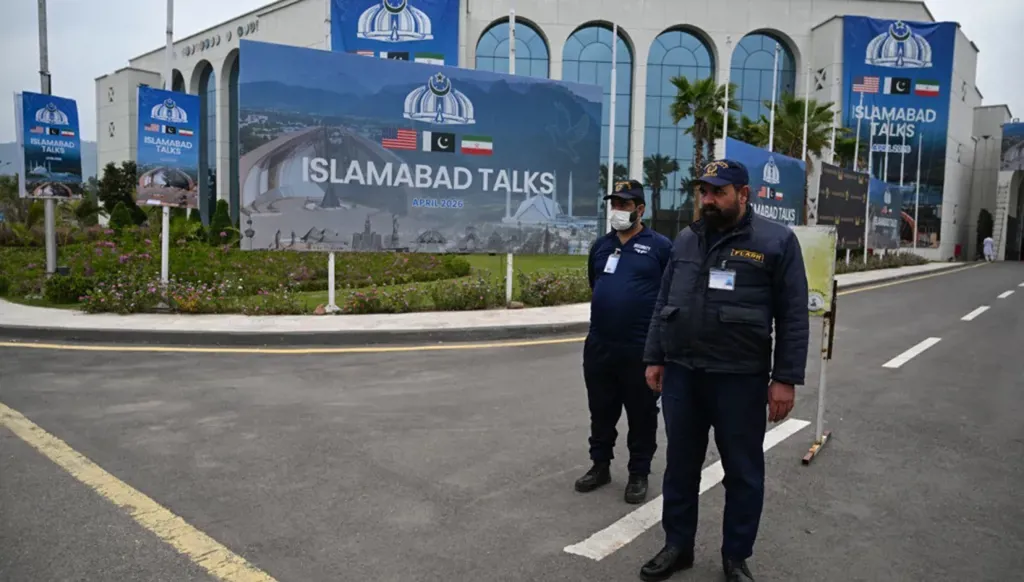


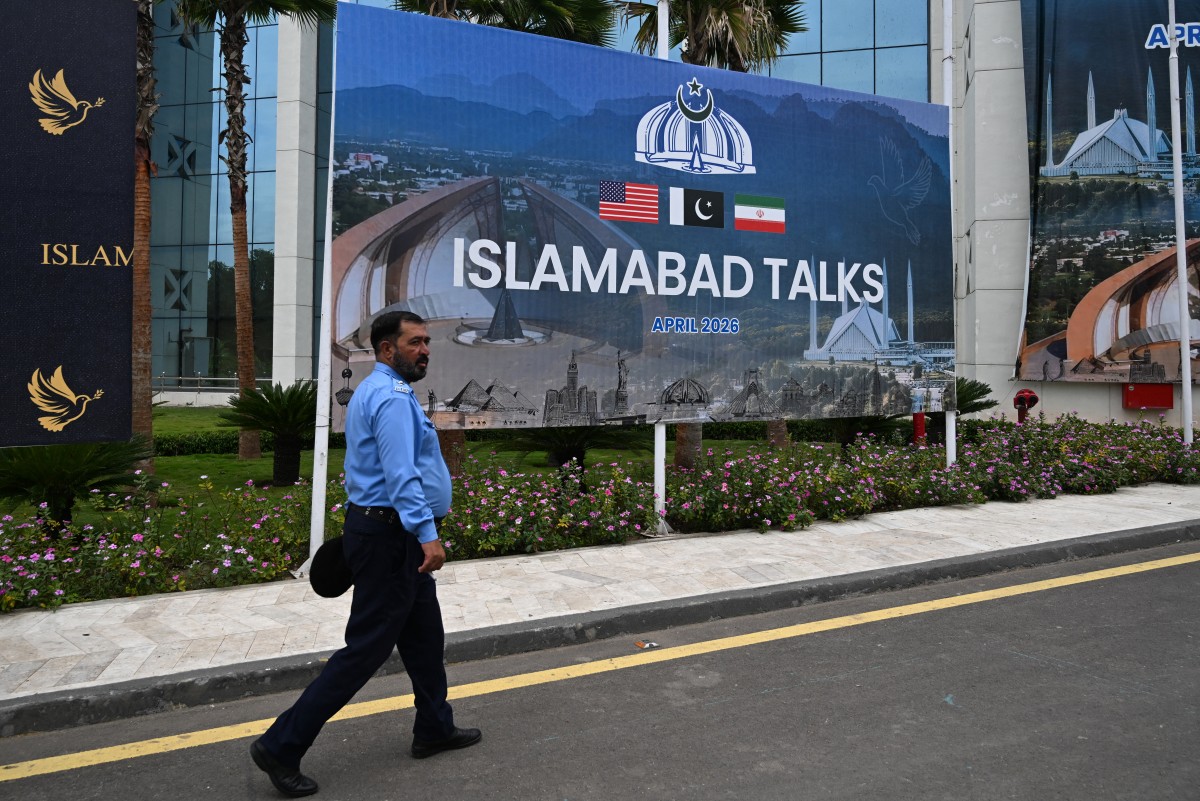
Iran and the United States are holding peace talks in Pakistan on Saturday, in an atmosphere overshadowed by mutual distrust, as clear differences have emerged between the two countries over their main demands.
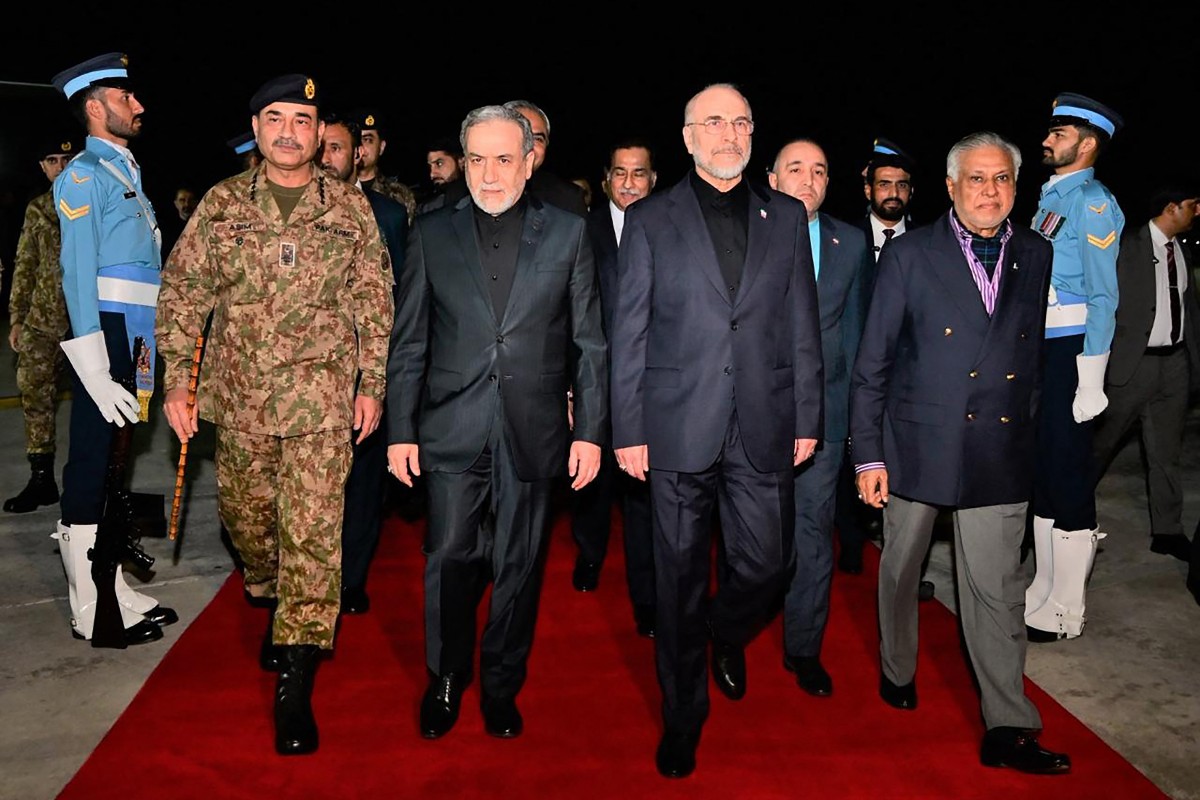
The Iranian delegation, which includes more than 70 members and is led by Parliament Speaker Mohammad Bagher Qalibaf, arrived first in Islamabad, where strict security measures were in place.
Iran’s state television quoted Qalibaf as saying upon arrival in the Pakistani capital, “We have good intentions, but we do not trust.” He added, “Our experience in negotiating with the Americans has always ended in failure and broken promises.”
The US position
For its part, US Vice President J. D. Vance, who leads a delegation that includes President Donald Trump’s son in law Jared Kushner and special envoy Steve Witkoff, expressed similar caution in remarks to journalists before leaving Washington.
Vance said shortly before his plane took off from Andrews Air Force Base near Washington, “We will try to hold positive negotiations.”
He added, “If the Iranians are willing in good faith to work with us, I think we can make an agreement,” warning the Iranian team against “manipulating” Washington.
Iranian state television reiterated Iran’s position that talks with the United States will not take place unless Washington agrees to Tehran’s conditions, especially a ceasefire in Lebanon and the release of frozen Iranian assets, which has not been achieved so far.
US President Donald Trump demanded the opening of the Strait of Hormuz as a condition for a ceasefire lasting two weeks, which made negotiations possible.
However, the strait, through which one fifth of the world’s crude oil passes, has not yet been opened to navigation. Trump vowed on Friday to open it soon, “with or without Iran’s cooperation.”
Trump also stressed that his top priority in the peace talks is ensuring that Tehran does not possess a nuclear weapon.
No ceasefire
Israeli airstrikes in Lebanon continued on Friday against Hezbollah, despite Iran’s demand that they stop as a condition for a truce with Washington.
Meanwhile, the Lebanese Presidency issued a statement announcing that a meeting will be held on Tuesday at the US State Department headquarters “to discuss the announcement of a ceasefire and the date for the start of negotiations” between Lebanon and Israel under US sponsorship.
However, Israel said that the ceasefire between the United States and Iran does not include Lebanon.
The Israeli ambassador to Washington, Yechiel Leiter, said in a statement that his country “has agreed to begin official peace negotiations” with the Lebanese government, with which it does not have diplomatic relations.

The statement added that “Israel refused to discuss a ceasefire with the terrorist organization Hezbollah, which continues to attack Israel.”
Israel launched large scale airstrikes and a ground invasion of Lebanon after it attacked Iran on February 28, in response to Hezbollah firing rockets at Israel.
Lebanon’s Health Ministry announced on Friday that the toll from the intense Israeli airstrikes on Beirut and other areas on Wednesday has risen to 357 killed and 1,223 injured, bringing the total death toll to more than 1,950.
Pakistan’s Prime Minister Shehbaz Sharif addressed the difficulty of making progress between Iran and the United States.
In a televised speech, he said, “A temporary ceasefire has been announced, but a more difficult stage awaits us now: the stage of achieving a permanent ceasefire and resolving complex issues through negotiations.”
He noted that the coming phase is open to all possibilities and could end either in an agreement or in the collapse of all efforts.
In Islamabad, all roads leading to the Serena Hotel, where the talks are expected to take place, were closed amid tight security measures.
In Tehran, a 30 year old resident told AFP he was skeptical about the success of the negotiations, describing much of what Trump says as “pure noise and nonsense.”
On Wall Street, stocks rose sharply during the week while oil prices fell following the fragile ceasefire between the United States and Iran.
Over the week, the three major US indices gained more than three percent, while oil prices declined again on Friday.
Oil prices had fallen by around 13 percent over the week.