

Iran, the US, and the last chance to avoid war
Pakistani-led negotiations aim to end hostilities, but disputes over the Strait of Hormuz keep tensions high.



 Messenger
 Whatsapp
 Threads
 Email
Email
 Print
Print
 X
X
 Facebook
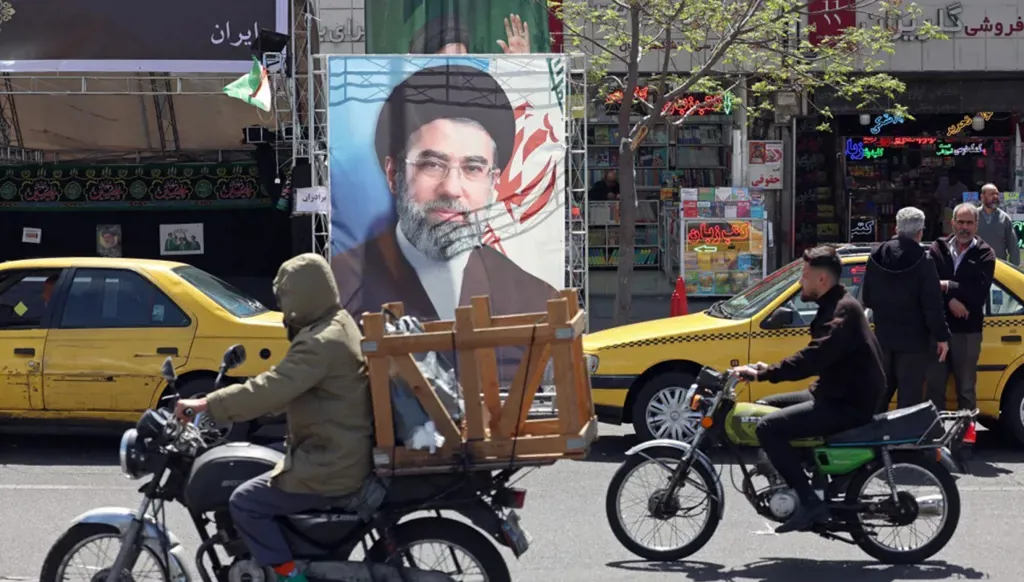


As has been the custom since the start of the American-Israeli war on Iran on February 28, President Donald Trump has consistently contradicted himself, alternating between threats of hell and returning to talk of negotiations, opening a window for diplomacy now mainly led by Pakistan’s Army Chief, Field Marshal Asim Munir, with support from some regional countries.
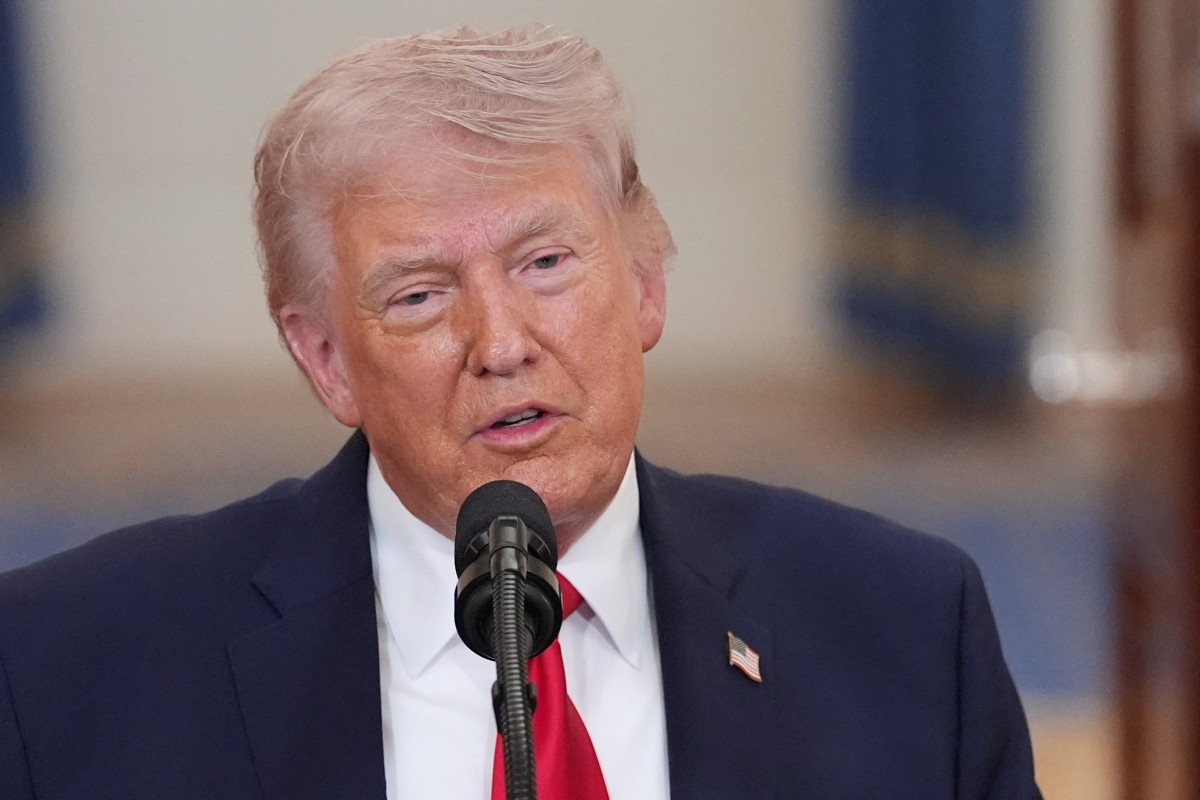
Hours after praising the American special forces that rescued the second missing American pilot, whose F-15 jet had been shot down in southwestern Iran, Trump issued his strongest warning yet, using offensive language: "Tuesday will be the day of power plants and the day of bridges, all in a single day in Iran... you have never seen anything like it!!! Open the damn strait, or you will live in hell, you will see! Thank God. President Donald J. Trump."
It is clear that Trump, who is seeking every possible way out of the war, is using maximum pressure to soften Iran’s position in indirect negotiations through the Pakistani mediator and through text messages continually exchanged between Iranian Foreign Minister Abbas Araghchi and US special envoy Steve Witkoff.
Trump confirmed this to the American television network Fox News, expressing that an agreement could be reached by Monday.
Last-Minute Negotiation Pressures
In what appeared to be a last-ditch effort to prevent the war from escalating into a full-scale conflict with unprecedented consequences for the Middle East and the world, the American news site Axios revealed that the United States, Iran, and regional mediators are discussing the terms of a potential 45-day ceasefire, which could lead to a permanent end to the war. The report explained that the mediators are negotiating a two-stage agreement: the first stage would be a 45-day ceasefire, while the second stage would be a final agreement to end the war.
According to Reuters, the plan to end hostilities, drafted by the Pakistani mediator, must be approved by Monday and is expected to result in an immediate ceasefire and the reopening of the Strait of Hormuz, with a final agreement to be reached within 15 to 20 days. The Pakistani Army Chief is responsible for liaising with US Vice President J.D. Vance, Steve Witkoff, and Abbas Araghchi.
The potential agreement, provisionally named the Islamabad Agreement, would include a regional framework concerning the strait and hold final direct talks in the Pakistani capital.
The Hormuz Stalemate and Tehran’s Conditions
In previous exchanged messages, the Iranians rejected reopening the strait in exchange for a temporary ceasefire. They insisted on reaching a permanent agreement, demanded guarantees against American and Israeli attacks, insisted on compensation, and linked any ceasefire to the fronts of Iran’s allies in the region. This position was opposed by Israeli Prime Minister Benjamin Netanyahu, who wants to separate Iran from Hezbollah in Lebanon. Tehran believes that closing the strait is the strongest card it holds and that it will not give it up without its minimum demands being met.
This largely explains why Trump issued threats of “blowing everything up” in Iran if he did not receive a positive response from Tehran by 8:00 p.m. Washington time on Tuesday.
A notable development in Trump’s latest stance is his retreat from putting the strait issue in the hands of his European and Asian allies, instead making Hormuz a central element in negotiations directly with Iran.
The Pakistani mediator may not receive a decisive response from either Iran or Washington to the Islamabad proposals. This keeps the prospects for escalation high, while both sides await a compromise that allows each party to claim a victory in the conflict.
Disclaimer: The opinions expressed by the writers are their own and do not necessarily represent the views of Annahar.