Lebanon’s border crossings: From trade routes to pressure points
These gateways reveal the country’s economic, political, and security challenges in a fragile regional context.



 Messenger
 Whatsapp
 Threads
 Email
Email
 Print
Print
 X
X
 Facebook


In Lebanon, it does not take a full-scale war to damage the economy, it is enough for a crossing to be closed. In a country suspended between geography, politics, and regional conflicts, border crossings shift from simple transit points into lifelines or instruments of suffocation, on their own reflecting the balance between stability and collapse.
The Lebanese-Syrian border stretches for approximately 394 kilometers, and the six official land crossings form vital hubs. Their importance is not limited to transit alone but extends to being key joints of the economy and markers of influence and sovereignty in a highly complex regional phase.
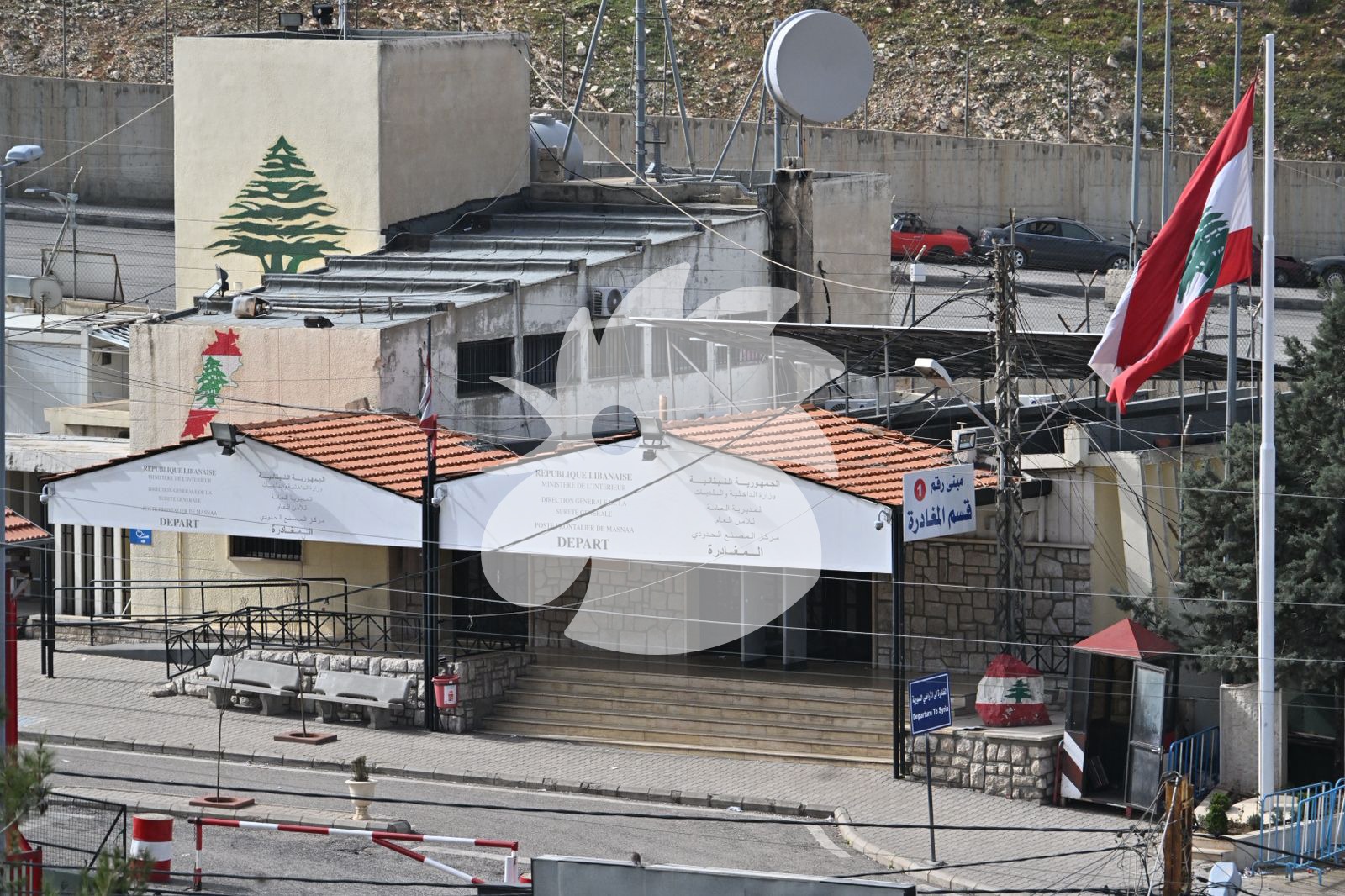
At the heart of this equation, the Masnaa-Jdeidet Yabous crossing stands out as a main artery linking Beirut to Damascus. This crossing, which historically served as Lebanon’s gateway to the Arab hinterland and a key route for travelers and goods, is now facing a different reality. Its temporary suspension due to Israeli threats was not merely a security measure but became a direct indicator of the fragility of the Lebanese economy, where its disruption alone is enough to paralyze one of the most important export and trade routes.
With the closure of Masnaa, the Qaa-Jousieh crossing emerged as a vital alternative. Reopened in 2017 after years of closure, it has become the lung of the northern Bekaa, benefiting from its proximity to the city of Homs and playing a key role in transporting agricultural products and facilitating trade with the Syrian interior. In times of crisis, it reflects a limited ability to redistribute economic activity.
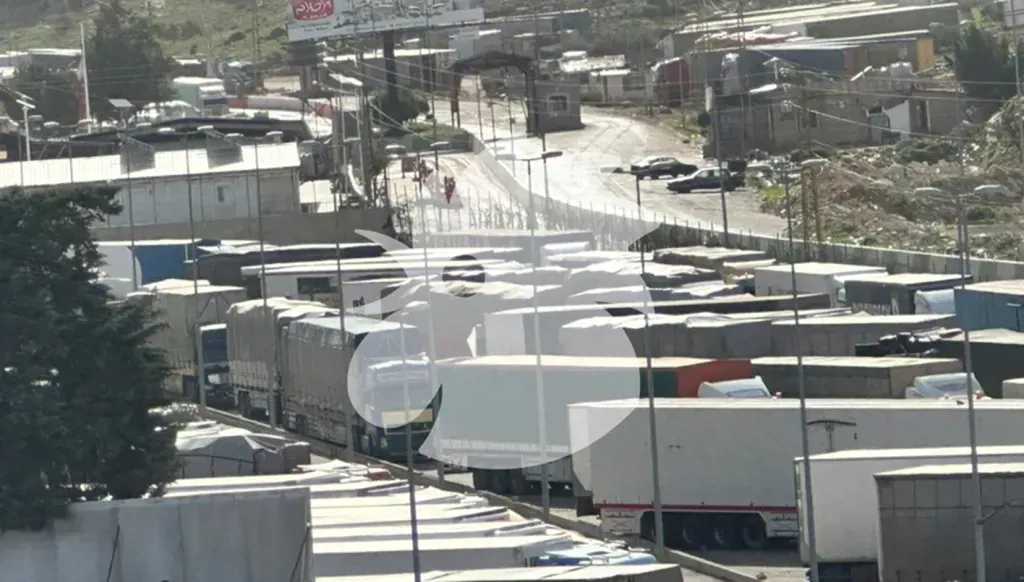
In the north, the Abboudieh Dabbousieh crossing maintains its position as one of the main commercial crossings, especially for heavy transport. Although it remains active, damage to the surrounding infrastructure has imposed constraints on its operations, making it a sensitive point in supply chains, where any additional disruption could directly impact food and economic security in northern Lebanon.
At the same time, the Arida Tartus crossing holds particular importance as the only coastal crossing between the two countries. Its reopening in 2025 reconnected the Lebanese coast with the Syrian hinterland, but its unstable operating conditions, due to damage and security considerations, make its role inconsistent despite its importance in transporting industrial and heavy goods and linking to the Port of Tripoli.
On a different level, the Wadi Khaled Talkalakh crossing reflects the nature of the Lebanese Syrian border as a space of social overlap. Serving the daily movement of residents, it forms a vital lifeline for border communities and shows that geography in this region is inseparable from the social connections and community life of the people living there.
Meanwhile, the Matraba crossing, the newest official crossing, represents an attempt to transform the border from a zone of smuggling into a space for development. Despite sustaining damage from previous strikes, it still plays a role in supporting agriculture and stimulating the local economy in border areas.
Behind this detailed picture lies a broader reality. Border crossings are no longer merely logistical infrastructure, but have become complex political, security, and economic tools. On one hand, they are essential economic arteries, with Syria emerging as one of the main destinations for Lebanese goods alongside a notable rise in trade volume. On the other hand, they serve as instruments of political pressure, as the closure of any crossing immediately impacts Lebanon internally and is sometimes used within the context of negotiation or escalation.