

Tunisians Trapped in Syria: Al-Hol camp’s return raises security and humanitarian concerns
Hundreds of Tunisian women and children remain trapped in Syria’s notorious Al-Hol camp, sparking urgent security, political, and humanitarian questions - while families at home plead for their safe return.



 Messenger
 Whatsapp
 Threads
 Email
Email
 Print
Print
 X
X
 Facebook
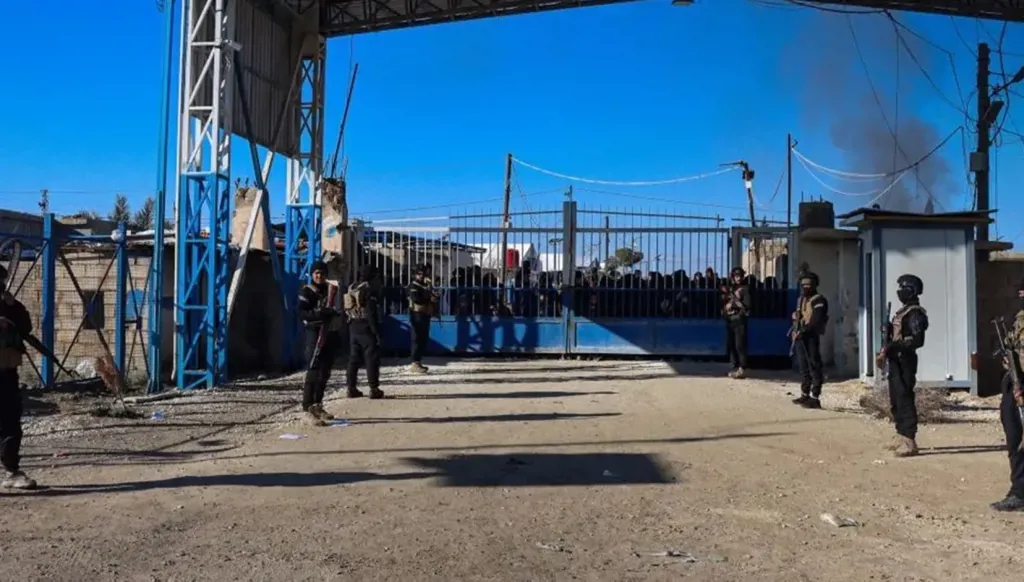


The Syrian army’s recapture of the Al-Hol camp is a significant development with complex security, humanitarian, and political implications for Tunisia. The country may face a serious challenge, given that hundreds of Tunisians—mostly women and children connected to extremist groups—remain in the camp, their fate uncertain for years.
Organizations and observers estimate that dozens of Tunisians—mostly women and children, some born under extremely difficult circumstances—are inside the world’s most controversial camp. Mohamed Iqbal Ben Rejeb, head of the Rescue Association of Tunisians Trapped Abroad, told Annahar that there are no official figures on the exact number of Tunisians in the camp.
The return of Tunisians who joined armed groups in Syria since the outbreak of the 2011 conflict, particularly "ISIS," remains a major security concern for the country. Observers warn that recent developments could enable the movement of these fighters—often described as a "ticking time bomb"—to other locations, where they might plan operations against Tunisia.
Ben Rejeb notes that these fighters underwent more intense training and are more radicalized than Tunisians who joined other groups. He warns that they could infiltrate Libya again, adding: "They could then pose a real threat to Tunisia given the security situation in Libya."
The speaker recalls past security incidents in Tunisia, including the attack on the border town of Ben Guerdane, which were orchestrated from Libya. While Tunisia has made significant progress in combating terrorism, the struggle is far from over, as there is broad consensus across the country.
A few days ago, Tunisian security forces conducted a preemptive operation against a terrorist cell near a weekly market in the western city of Kasserine, which resulted in the death of a policeman.
The humanitarian dimension
For Tunisia, the issue is not only the potential return of extremists from conflict zones but also carries significant moral and humanitarian implications. In this context, Ben Rejeb notes that regaining control over the Al-Hol camp "could be a real opportunity to establish direct communication channels with Damascus to prioritize the protection of Tunisian children, who are victims above all else." He adds that over the past few years, the association has received dozens of requests from Tunisian families searching for their children or grandchildren in the camps, often without finding attentive authorities or clear mechanisms for communication.
Regarding the number of Tunisians in the Al-Hol camp, the spokesperson acknowledges that figures are conflicting and no official data exists. However, based on files received by the association, there are around 120 women and 52 children, suggesting the actual number could be significantly higher.
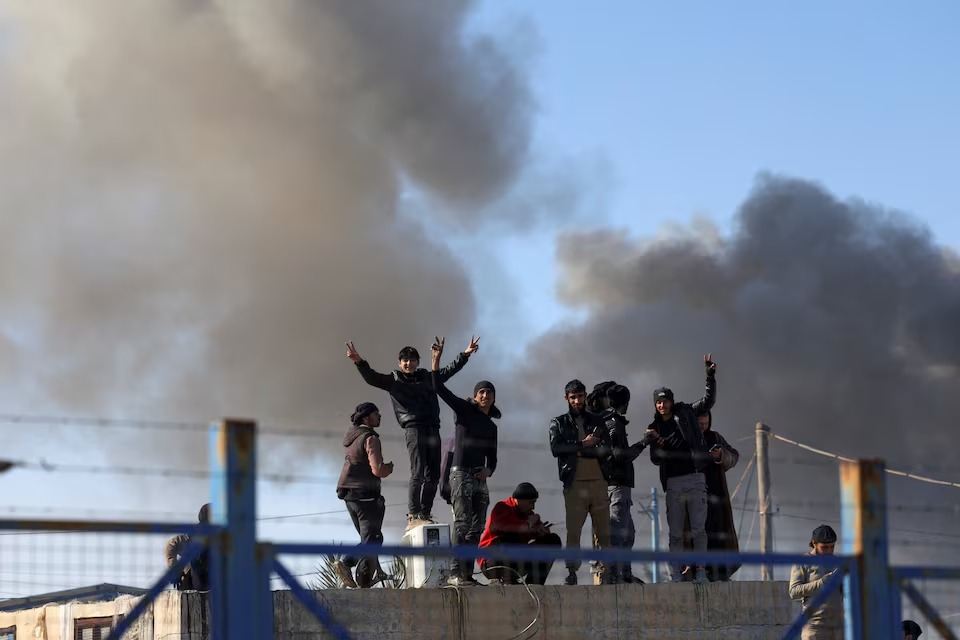
The grandmother's voice… The deep human pain
In the city of Kairouan, Mrs. Tahia Sabouei often gazes at photographs of her grandchildren, who were born in one of Syria’s camps and whom she has never met. In a trembling voice, she told Annahar: "I just want to hug my grandchildren before I die. They are Tunisians… why are they not returning?"
Tahia recounts how her son joined the fight in Syria, traveling through Libya and then Turkey, affirming that this occurred in 2012. She adds that she personally reported the matter to the police.
Her son was killed in the camp, leaving behind three children without any documents to confirm their nationality and who have not received any education. She fears for their well-being and hopes to care for them one day. Despite knocking on every door for help, she has found no assistance, while her grandchildren continue to live in harsh conditions.
Ben Rejeb emphasizes that the grandmother’s story is not an isolated case but represents the silent suffering of many families, burdened by uncertainty and fear for the future. He stresses that these children should not be held accountable for the actions of their parents.
Will this step open communication channels between Tunisia and Syria?
According to several observers, Damascus’ regaining control of the camp could create a new reality, prompting direct—or even informal—coordination between the two countries, particularly on humanitarian matters. Observers suggest that pragmatism may outweigh political considerations, especially when it comes to children who are innocent, “born in the wrong place at the wrong time,” as Ben Rejeb emphasizes.
Tunisia maintains no official relations with the current Syrian administration, and since Bashar al-Assad’s regime fell over a year ago, no formal contact between the two countries has been announced. Nevertheless, the Tunisian and Syrian embassies continue to operate and provide their services as usual.
Observers describe a silent rupture between the two countries, occurring just months after relations were briefly resumed under Assad’s rule, following more than a decade of estrangement.
Reliable sources have previously reported high-level contacts between the security apparatuses of Tunisia and Syria concerning Tunisian fighters within terrorist organizations in Syria, whose numbers are estimated to be in the thousands.
In 2023, Tunisia’s Ministry of Women and Childhood announced the launch of a program to rehabilitate children born to returnees from conflict zones, revealing that 51 children whose parents were fighters in the "ISIS" terrorist organization had been repatriated.