

Libya faces political storm as Muslim Brotherhood leader joins presidential council
Abdullah Al-Deebani, Executive Director of the Libyan Commission for Peace and Community Reconciliation, told Annahar that even proposing Al-Sallabi as an advisor on reconciliation “raises serious and troubling questions among a large segment of Libyans, particularly in Benghazi.”



 Messenger
 Whatsapp
 Threads
 Email
Email
 Print
Print
 X
X
 Facebook
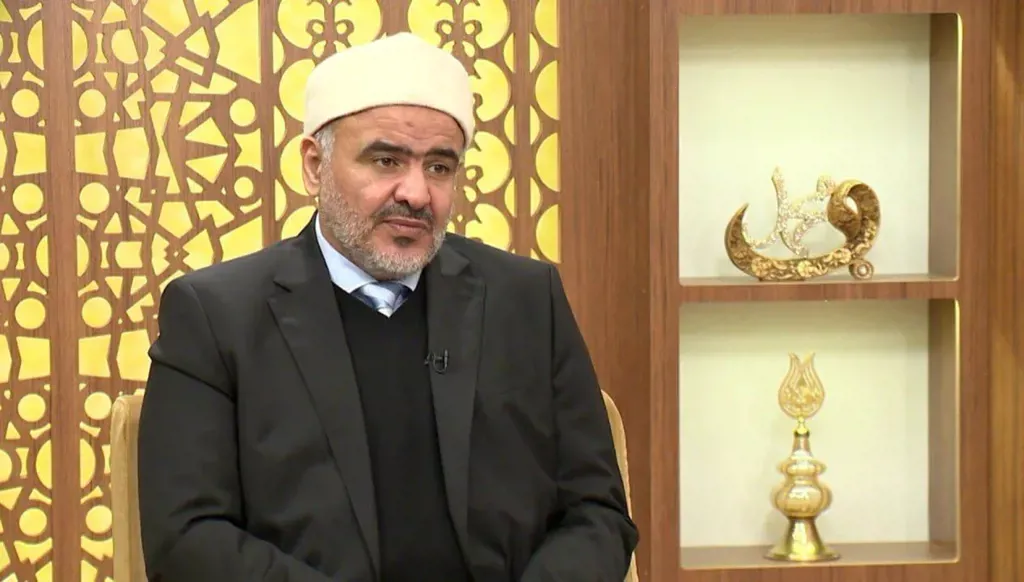


The appointment of a senior Muslim Brotherhood leader as a presidential advisor on Libya’s national reconciliation file has raised widespread questions about the timing, background, and political implications of the decision.
A few days ago, the head of Libya’s Presidential Council, Mohamed Al-Menfi, appointed Ali Al-Sallabi, Secretary-General of the International Union of Muslim Scholars, as an advisor on national reconciliation affairs. Many Libyan observers view this move as an attempt to revive the influence of the Muslim Brotherhood faction within decision-making circles, following its decline in popular support in recent years.
Al-Menfi’s decision appears to challenge the stance of key Arab capitals—particularly Abu Dhabi, Riyadh, and Cairo—which have placed Al-Sallabi on terror lists. The move also comes amid heightened international restrictions on Muslim Brotherhood activities, just days after the administration of U.S. President Donald Trump designated three branches of the group in Egypt, Jordan, and Lebanon as terrorist organizations.
Ali Al-Sallabi, 63, is a preacher from Benghazi and a prominent figure within the international Muslim Brotherhood. A close follower of the late spiritual leader Yusuf al-Qaradawi, he acted as a mediator in the years leading up to the fall of Colonel Muammar Gaddafi’s regime, facilitating communication between the Islamic current and Gaddafi, as well as his son Saif al-Islam. This period, known as the “ideological revisions,” led to the release of several Brotherhood leaders and the return of others from abroad.
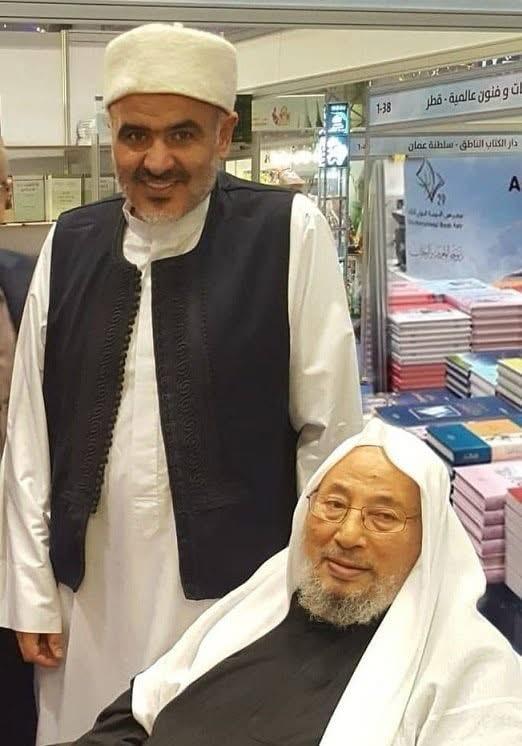
Fathi Al-Shabli, head of the Libyan Parties Gathering, expressed his astonishment at Al-Sallabi’s appointment in a statement to Annahar. He described it as “a decision made despite his clear intellectual affiliation with the Brotherhood and his listing on terror lists in several Arab countries, while the majority of Libyans reject this current, as reflected in past election results.”
Al-Shabli called the move “a decisive blow to the path of national reconciliation,” emphasizing his objection to placing such a controversial figure in charge of this critical file, and noting his unacceptability to key regional actors.
Al-Shabli highlighted Al-Sallabi’s repeated admissions of belonging to the Muslim Brotherhood, despite his recent attempts to distance himself from the organization, and questioned: “Does this decision reveal Al-Menfi’s affiliation with the Brotherhood, or is it the work of a group of advisors attempting to politically entrap him?”
He dismissed any notion that appointing a Brotherhood leader could positively influence the political decision-making process, stating, “Its effect will be the opposite, undermining the credibility of the Presidential Council.” He added that the Parties Gathering, which represents several political forces in Tripoli, is “considering severing contact with Al-Menfi if he insists on the decision and refuses to retract it.”
Meanwhile, Abdullah Al-Deebani, Executive Director of the Libyan Commission for Peace and Community Reconciliation, told Annahar that even proposing Al-Sallabi as an advisor on reconciliation “raises serious and troubling questions among a large segment of Libyans, particularly in Benghazi.” He noted that Al-Sallabi “is not a figure of national consensus, and his name is linked to suspicions of supporting extremist organizations active between 2014 and 2019, most notably Ansar al-Sharia, which is aligned with al-Qaeda.”
Al-Deebani added that the issue “remains fresh in the Libyan memory,” stressing that national reconciliation “cannot be built on controversial figures or those considered part of the problem rather than the solution by Libyans.” He emphasized that anyone occupying this position must embody neutrality, broad acceptance, integrity, and be free from suspicion.
Professor of Political Science Dr. Yusuf Al-Farsi told Annahar that appointing Al-Sallabi represents “an attempt to court the political Islam current to bolster Al-Menfi’s hold on power and obstruct any efforts to remove him.”
However, Al-Farsi also stressed that the move “will have little real impact on the Libyan street, as the Brotherhood has lost its popular support and can no longer exert influence.” He added that the decision “undermines, rather than advances, progress in the reconciliation file.”
The decision has sparked controversy even within the Presidential Council. Deputy Chairman Musa Al-Koni, representing southern Libya, cautioned against “individual efforts or arrangements that lack consensus,” and in an official letter to Al-Menfi, called for the urgent creation of a “High Commission for Reconciliation.”
Al-Koni emphasized that the success of national reconciliation “is not measured by the speed of actions, but by their capacity to address diverse national sensitivities, strengthen regional and international trust, and preserve internal balance.”