

Region
30-03-2026 | 08:17
Pakistan says it will host US-Iran talks, while Iran warns US ground troops would be 'set on fire'
Pakistan offers to host U.S.–Iran talks amid mixed signals on negotiations, escalating threats, and continued regional military buildup in the ongoing war.



 Messenger
 Whatsapp
 Threads
 Email
Email
 Print
Print
 X
X
 Facebook
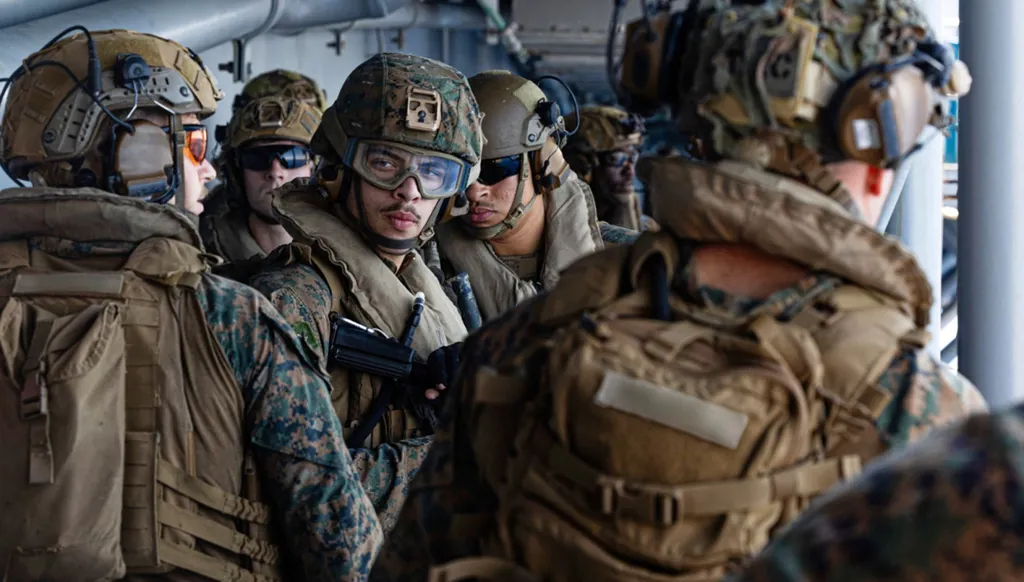


Pakistan announced Sunday that it would soon host talks between the U.S. and Iran, though there was no immediate word from Washington or Tehran, and it was unclear whether discussions on the monthlong war would be direct or indirect.
"Pakistan is very happy that both Iran and the U.S. have expressed their confidence in Pakistan to facilitate the talks. Pakistan will be honored to host and facilitate meaningful talks between the two sides in the coming days,” Foreign Minister Ishaq Dar said after top diplomats from Turkey, Egypt and Saudi Arabia met in Islamabad.
Pakistan later said the diplomats had departed for their home countries. The talks were originally scheduled to continue Monday. Pakistan's foreign ministry did not answer questions, and Iran’s mission to the United Nations declined to comment.
U.S. President Donald Trump didn't address the potential Pakistan talks but said Sunday night that Washington was in discussions with Iran and “we’re doing extremely well in that negotiation.”
Trump was asked aboard Air Force One if Iran had responded to a 15-point ceasefire plan the U.S. has proposed and he said they did, adding: “They gave us most of the points. Why wouldn’t they?” He didn't elaborate.
Islamabad has emerged as a mediator, having relatively good ties with Washington and Tehran, after what Pakistani officials call weeks of quiet diplomacy.
Earlier, Iran’s parliament speaker, Mohammad Bagher Qalibaf, dismissed the talks in Pakistan as a cover after some 2,500 U.S. Marines trained in amphibious landings arrived in the Middle East. He said Iranian forces were “waiting for the arrival of American troops on the ground to set them on fire and punish their regional partners forever,” according to state media.
Iran also threatened to attack homes of U.S. and Israeli “commanders and political officials” in the region. A spokesperson for the Iranian military's joint command, Ebrahim Zolfaghari, cited the “targeting of residential homes of the Iranian people in various cities” and other “malicious actions,” state media reported.
“We don’t know at what moment our homes could be targeted,” said Razzak Saghir al-Mousawi, 71, describing relentless airstrikes as Iranians crossing into Iraq urged the United States to end the war. “I am definitely afraid.”
Meanwhile in Israel, Prime Minister Benjamin Netanyahu said the military will widen its invasion of Lebanon, expanding the “existing security strip” in that country’s south while targeting the Iranian-backed Hezbollah militant group. No details were released.
Over 1 million Lebanese have been displaced in the war. One of them, Mohammad Doghman, called Israel “an expansionist state.”