

The hidden costs of a regional war



 Messenger
 Whatsapp
 Threads
 Email
Email
 Print
Print
 X
X
 Facebook


From the skies over Iran, set ablaze by American and Israeli airstrikes, to the skies of the Arabian Gulf, where calm is pierced by Iranian missiles and drones without any clear military justification, the war is one, but the reality is complex, and each side pays the price in different ways.
Since its outbreak on February 28, this war has not been confined to narrow geographic borders or to separate traditional fronts. The entire region has become an interconnected battleground where military and economic tools overlap, and where vital routes and energy sources turn into instruments of pressure no less frightening than missiles and aircraft.
The Arabian Gulf
In the Arabian Gulf, the confrontation unfolds on a different level, taking on a primarily economic and strategic character. Threats to navigation in vital waterways, targeting energy facilities, and attempts to influence oil and gas flows are tools that Iran deliberately uses to pressure the Gulf model of stability and growth in the region.
Gulf security, especially in the United Arab Emirates, is a primary target of Iranian missiles and drones, which aim at critical infrastructure as well as oil facilities, in an effort to impose costs on Gulf states in a conflict they have insisted from the outset on avoiding.
This pattern of targeting appears to reflect an Iranian understanding that economically undermining the Gulf’s security model may, in some respects, achieve an impact greater than direct military confrontation.
In contrast to a region in turmoil, the Gulf presents a model based on managing crises rather than being drawn into them. Instead of reacting with escalation, Gulf leaders adopt a calm approach that maintains a balance between protecting security and sustaining development. This strategy reflects carefully calculated strength, expressed through strengthening internal resilience and reinforcing partnerships. In this way, stability shifts from being a defensive condition to a strategic choice that safeguards achievements in a volatile environment. Gulf policy thus becomes a sustainable approach to protecting economic and social interests, and by extension, Gulf society itself.
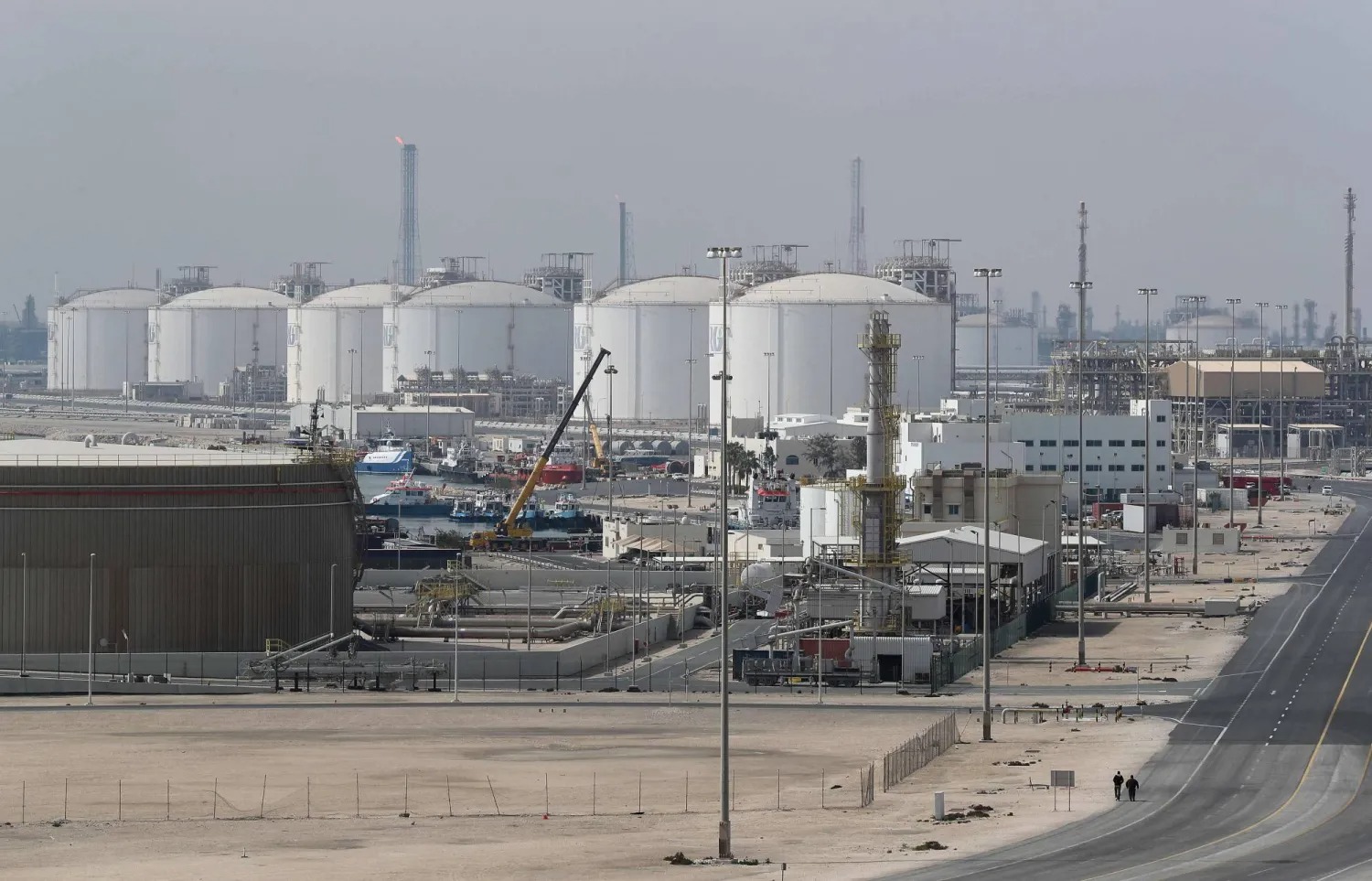
This Iranian approach also carries opposing implications. The shift toward indirect pressure tools, particularly economic ones, may reflect the rising cost of conventional confrontation for Iran itself, as well as a declining ability to sustain an open conflict without incurring increasing internal losses, something that became evident after the targeting of Qatar’s Ras Laffan gas field.
Israel
In Israel, Tel Aviv is fighting a war on two fronts, facing simultaneous threats from Hezbollah in Lebanon and from Iran, while continuing to come under missile and drone attacks. Despite its military and technological superiority, the intensity and persistence of these attacks are placing growing pressure on air defense systems and draining military and economic resources, even as Tel Aviv continues to carry out deep strikes inside Iran.
Iran
In Iran, signs of transformation are even more evident. After years of relying on proxy wars, Tehran has entered a more direct confrontation with Israel and the United States this time. However, this confrontation has revealed mounting internal challenges. Repeated airstrikes have targeted strategic facilities and sensitive sites, alongside significant losses among high ranking military and security leaders. This raises serious questions about the cohesion of decision making structures in Iran and the regime’s ability to manage a prolonged conflict.
Despite continued responses through missiles and drones, the cost of strikes deep inside Iran suggests the beginning of a gradual erosion in its ability to absorb attacks and quickly regain balance.
Lebanon
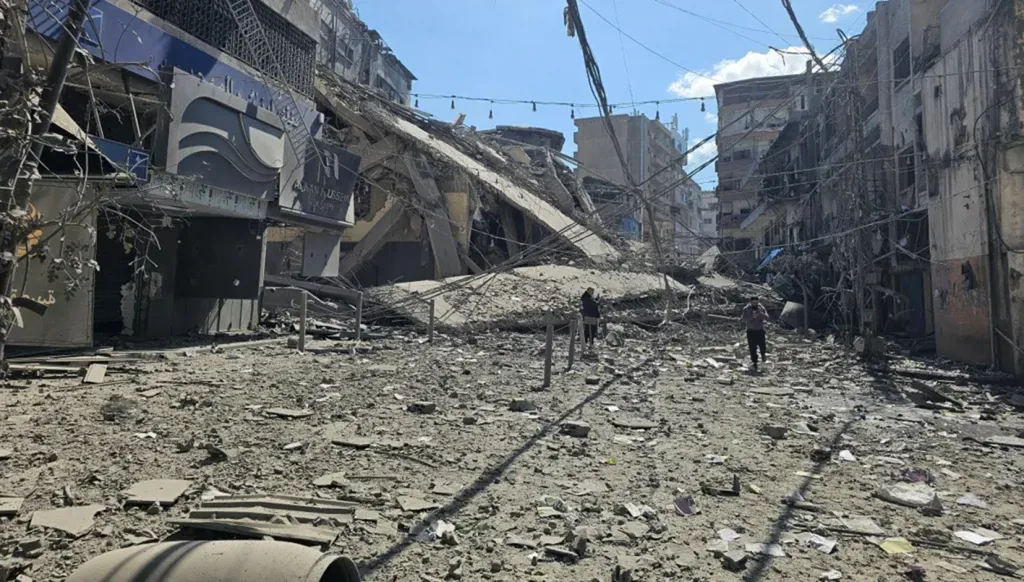
The situation in Lebanon is different. It is the only front in direct contact with Israel. The conflict there has taken the form of an open war of attrition, with near daily Israeli airstrikes, gradual ground incursions in the south, and massive waves of displacement that have exceeded one million people, of whom only about 133 thousand are registered in shelters. All of this points to a shift from limited border clashes to a conflict that reaches deep into the country and affects its social and economic structure. The strikes are no longer confined to border areas but have extended to urban centers and sensitive infrastructure, deepening the humanitarian crisis and increasing the fragility of the internal situation.
There is an important common factor between Lebanon and the Gulf. Both are parties to a war that is not of their making. Iran has drawn the entire Gulf region into the conflict, closing the Strait of Hormuz to its oil exports and then directly targeting its oil facilities, even though these states are not combatants. Hezbollah, backed by Iran, is dragging Lebanon for the second time in two years into a war it does not want to be involved in, exposing it to intense Israeli bombardment and a ground offensive whose limits remain unclear.
It is no longer possible to downplay a fundamental reality. It is clear that sovereign decision making in Lebanon has been taken away. This war has shown that the decision of war and peace is not in the hands of the Lebanese authorities, but in those of Hezbollah, which places Iran’s interests above those of Lebanon and its people. The group is not only engaging in a regional war that the Lebanese people cannot bear, but is also imposing it as a reality on a state and a population that did not choose it. Here, the issue goes beyond losses to the root of the tragedy: weapons outside state control that seize the decision of war and peace. The fundamental solution is clear. There can be no sovereignty without the exclusive control of arms by the state, and no state can exist with divided authority.
The figure of nearly one million displaced people in Lebanon is no longer just a number added to the toll of war. It is a stark indication of a dual failure to protect civilians. These people did not choose the confrontation, yet they are paying the price for decisions made beyond their will, caught between the state’s inability to act and Hezbollah’s unilateral decision to engage in the war. The tragedy therefore goes beyond displacement. It is a direct result of the absence of sovereign decision making, leaving citizens alone to face a disaster that could have been avoided.