

Iran claims full control of Strait of Hormuz
Iranian media has claimed control of the vital trade corridor as markets brace for impact. Traffic through the strait has already dropped precipitously since the outbreak of hostilities.



 Messenger
 Whatsapp
 Threads
 Email
Email
 Print
Print
 X
X
 Facebook
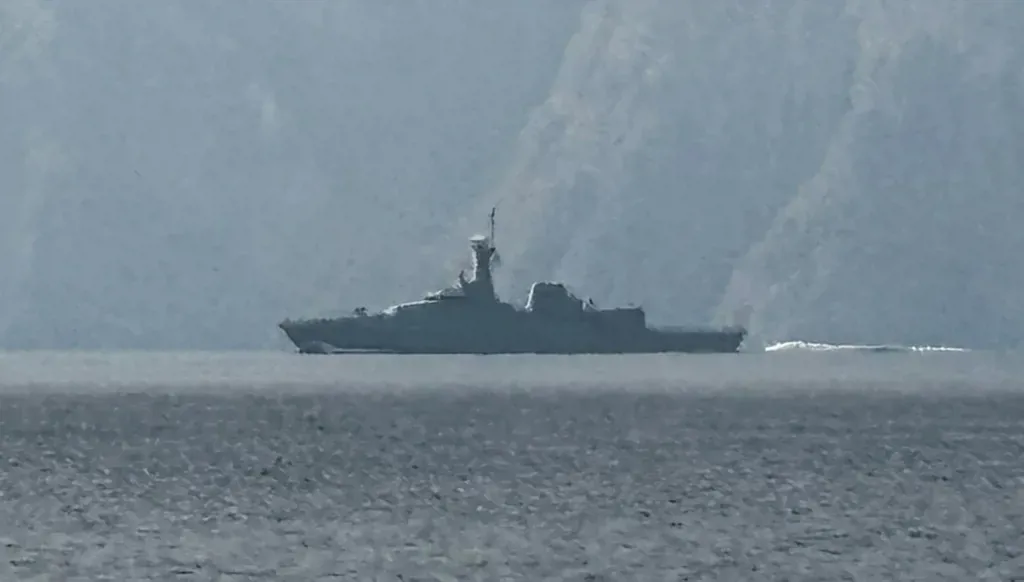


The Iranian Revolutionary Guard, in a statement on Wednesday, announced that it has "full control" over the Strait of Hormuz, a waterway of vital importance to global oil trade at the entrance to the Gulf.
The Fars News Agency quoted Mohammad Akbarzadeh, a prominent naval official in the Revolutionary Guard, as saying that "the Strait of Hormuz is currently under the full control of the naval force of the Revolutionary Guard."
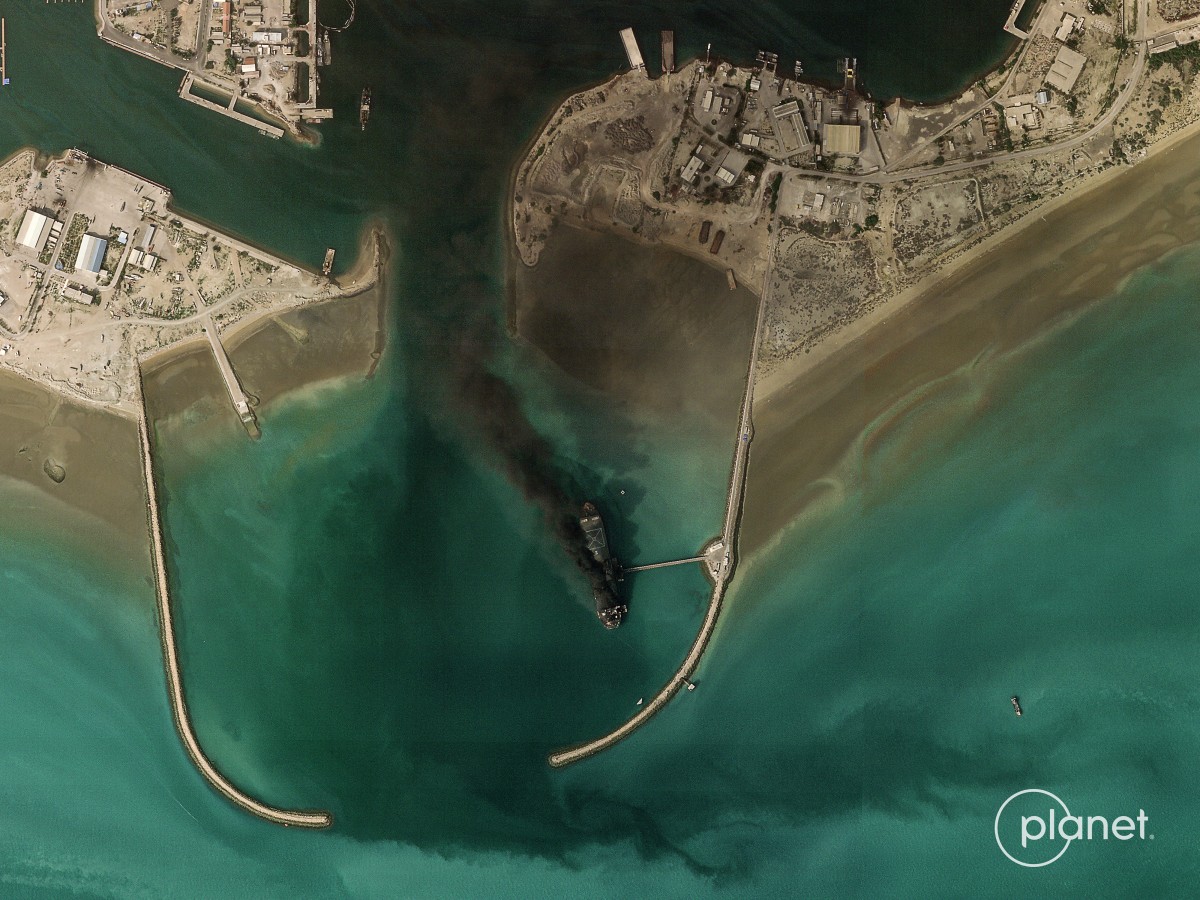
U.S. President Donald Trump said on Tuesday that the U.S. Navy is capable of escorting oil tankers through the Strait of Hormuz "if necessary."
In a related development, commercial sources and ship-tracking data reported that an oil tanker passed through the Strait of Hormuz on Tuesday, heading to a port in the UAE to load crude oil, according to Reuters.
Data from the London Stock Exchange Group showed that the Suezmax-class oil tanker Paula turned off its automatic identification system, a ship-tracking tool, late on March 2 as it approached the strait, then reappeared on March 3 off the coast of Abu Dhabi.
Commercial sources told Reuters that the ship is en route to Jebel Dhanna port to load Murban crude, produced by Abu Dhabi, for transport to Thailand.
The US-Israeli war on Iran has led to a halt in energy exports from the Middle East, as Tehran attacked ships and energy facilities, suspended navigation in the Gulf, and forced countries from Qatar to Iraq to cease production.
Vortexa ship-tracking data showed a decline in oil tanker passages through the strait to four ships on March 1, the day after the outbreak of hostilities, compared with an average of 24 ships per day since January.