

Iran’s digital lockdown: A nation fights back against online censorship
From Starlink to VPNs, millions of Iranians fight to stay connected as the government enforces the longest internet shutdown in the country’s history, exposing the clash between control and digital freedom.



 Messenger
 Whatsapp
 Threads
 Email
Email
 Print
Print
 X
X
 Facebook
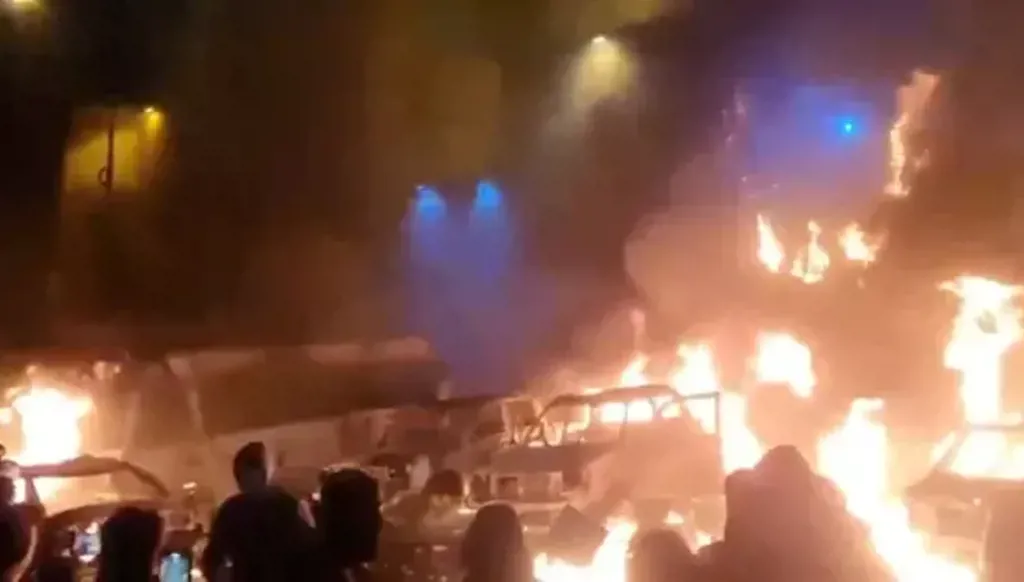


Since the outbreak of the bloody protests on January 8th and 9th, Iranians have been experiencing an almost complete shutdown of international internet, as part of the authorities’ response to the escalating anti-regime protests, which initially erupted due to severe economic deterioration, currency collapse, and rising inflation.
Only recently has limited and heavily monitored access begun through circumvention tools like VPNs, but popular social networks such as Telegram, Instagram, WhatsApp, and YouTube remain completely blocked. Even WhatsApp, which had been unblocked nearly a year ago, has now been re-blocked.
This shutdown, exceeding 500 hours (more than 20 days), is the longest in Iran’s history and in the world during the digital revolution era, surpassing even previous shutdowns in the country.
Previous Shutdowns Compared to the Current Situation
2009: Green Movement protests following the presidential elections – short and limited shutdowns.
2019: Protests against gasoline price hikes (resulting in over 1,500 deaths according to human rights reports) – shutdown lasted only a few days.
2022: "Woman, Life, Freedom" uprising after the death of Mahsa Amini – temporary restrictions.
January 2026: The longest and most comprehensive shutdown to date, beginning on the 8th amid widespread protests in dozens of cities, with reports of thousands killed and injured.
Managed Access and Security Concerns
It appears that the Supreme National Security Council, chaired by Ali Larijani (appointed Secretary-General in the summer of 2025), is overseeing the gradual and partial reopening of the internet, aiming to assess security threats before a full reconnection.
The authorities justify the continued restrictions by claiming that the internet was a key tool for coordinating "saboteurs" and inciting violence during the protests. However, the prevailing public view is that the real reason is to prevent the leaking of videos, documents, and testimonies revealing the scale of the bloody events on January 8th and 9th. Independent human rights reports, including those from HRANA and other organizations, report thousands of deaths and injuries, while official figures remain much lower.
With the recent improvement in internet access, dozens of videos and reports have begun reaching external media outlets such as Iran International and Manoto. In response, official media have repeatedly warned on radio and television that sending pictures or reports to “hostile channels” constitutes a crime punishable by prosecution.
Starlink: The Forbidden and Expensive Refuge
Amid the shutdown, Starlink Internet (from SpaceX) has become the only option for tens of thousands of users, with estimates reaching 100,000. Authorities have warned that using it constitutes a “crime,” and the price of the equipment has surged tenfold in just two weeks.
Catastrophic Economic Losses
Communications and Technology Minister Settar Hashmi announced that each day of the shutdown costs the Iranian economy roughly 5,000 billion Tomans (approximately 20–30 million dollars daily, according to various estimates). He confirmed that tech companies can survive for only about 20 days before facing collective bankruptcy. Thousands of companies have already closed their doors, forcing employees to stay home.
The Chamber of Commerce allowed merchants just 20 minutes of international internet per day—under the watch of a security monitor. The decision sparked widespread mockery on social media.
The National Network: An Abysmal Failure
Authorities attempted to compensate for the shutdown with the National Information Network—a fully controlled local intranet—but it failed to meet even 10% of citizens’ daily needs.
The Deeper Reason: Fear of Truth and Lost Trust
Unofficial surveys indicate that over 60% of Iranians trust only what they see for themselves or receive from fellow citizens through personal networks, compared with just 5% who trust official media and 17% who trust external opposition outlets.
Ongoing Technological War
For this reason, millions of Iranians are engaged in a daily technological “war” to bypass blocking and censorship. Authorities have realized that maintaining a complete shutdown could spur permanent innovations, potentially making digital control impossible in the future and reducing the state’s daily revenue from communications.
Conclusion: A New Drive Toward Digital Independence
This bitter experience has sparked unprecedented enthusiasm in Iranian society to develop local technological tools and alternatives that could prevent such a shutdown from happening again. Citizens are determined to maintain their connection with the world—both for economic activities and for their fundamental right to know and express themselves freely.
These are not merely technical limitations—it is a battle for digital survival at the heart of Iran, one that could shape the trajectory of the conflict between the people and the authorities for years to come.