

Israel escalates attacks in Lebanon as Beirut, Bekaa, and the South come under fire



 Messenger
 Whatsapp
 Threads
 Email
Email
 Print
Print
 X
X
 Facebook
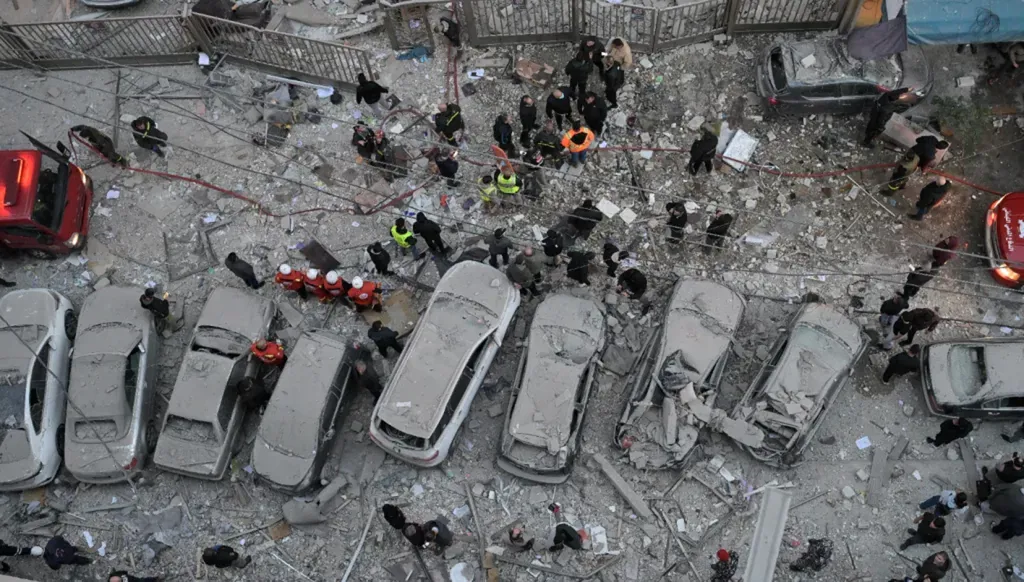


Events are developing rapidly day by day with Israel’s major escalation against several areas in Lebanon. Israel has carried out hundreds of airstrikes on infrastructure and sites it says belong to Hezbollah, while the group responded by launching long-range missiles targeting Israeli military positions.
This escalation has caused a serious humanitarian crisis in Lebanon. United Nations reports indicate that hundreds of people have been killed and hundreds of thousands displaced from their homes in just a few days. Schools and sports fields are filled with displaced people, and hospitals are under severe pressure due to the large number of injured.
Military Escalation
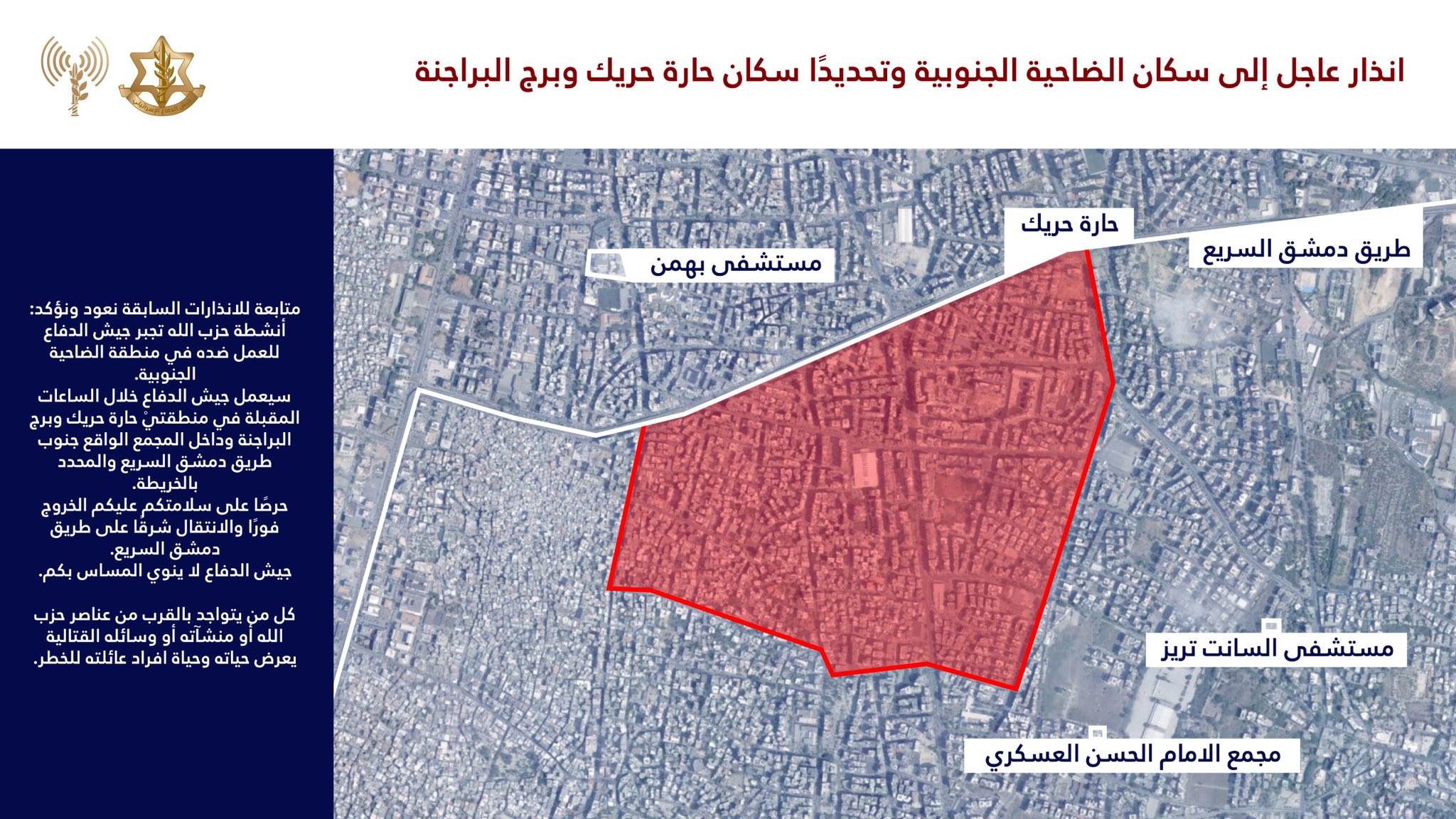
Israeli airstrikes targeted the southern suburbs after the Israeli army once again warned residents this morning, specifically those in Haret Hreik and Bourj al-Barajneh.
Israeli army spokesperson Avichay Adraee said, “In the coming hours, the Israel Defense Forces will operate in the areas of Haret Hreik and Bourj al-Barajneh and within the complex south of the Damascus Highway as marked on the map. For your safety, you must leave immediately and move east along the Damascus Highway.”
Adraee also shared a video on X showing the airstrikes targeting the southern suburbs and said, “This morning, the Israel Defense Forces carried out an additional wave of airstrikes in the southern suburbs of Beirut, targeting terrorist headquarters and sites used to store weapons belonging to the Hezbollah terrorist group. Yesterday, the Israel Defense Forces also struck a Hezbollah facility in the Tyre area of Lebanon.”
🔸أنجز جيش الدفاع صباح اليوم شن موجة غارات إضافية في منطقة الضاحية في بيروت، استهدفت مقرات إرهابية ومواقع استخدمت لتخزين وسائل قتالية تابعة لحزب الله الإرهابي.
— افيخاي ادرعي (@AvichayAdraee) March 11, 2026
🔸كما أغار جيش الدفاع أمس (الثلاثاء) على مقر تابع لحزب الله في منطقة صور في لبنان.
🔸قبل تنفيذ الغارات تم اتخاذ… pic.twitter.com/fxvX6jd6FS
Airstrike in Beirut
The scope of military operations has expanded to include strikes in the capital, Beirut. At 5 a.m. today, an Israeli airstrike targeted a residential building in the Aisha Bakkar area of Beirut.
The local mukhtar told Annahar that the apartment targeted had been recently rented to individuals. Meanwhile, Israel’s Channel 12 reported that it was being used as an office for the Al-Jamaa al-Islamiya. The Al-Jamaa al-Islamiya denied this, saying, “We deny that any of our offices or personnel were targeted in the Israeli airstrike in Beirut.”

Al-Jamaa al-Islamiya in Lebanon expressed surprise in a statement at “how quickly some media outlets announced that an administrative office of ours was targeted in the airstrike on the Aisha Bakkar area in Beirut and that some of our personnel were killed without verifying the information.”
The statement added, “We in Al-Jamaa al-Islamiya first condemn the repeated Zionist attacks on Lebanese territory and deny that any of our offices or personnel were targeted. We call on media outlets to exercise accuracy, professionalism, and responsibility when publishing and sharing news.”
Bekaa
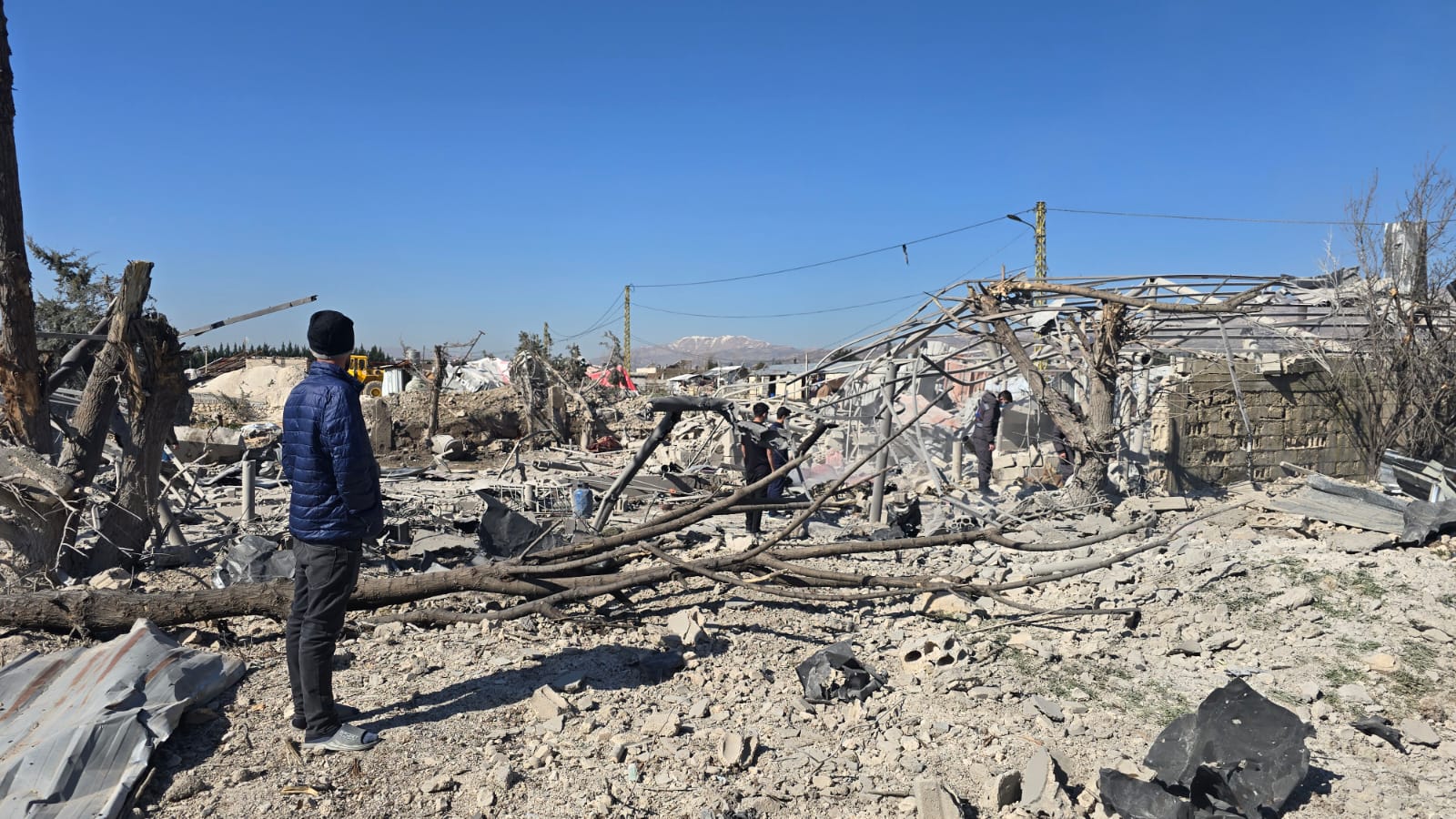
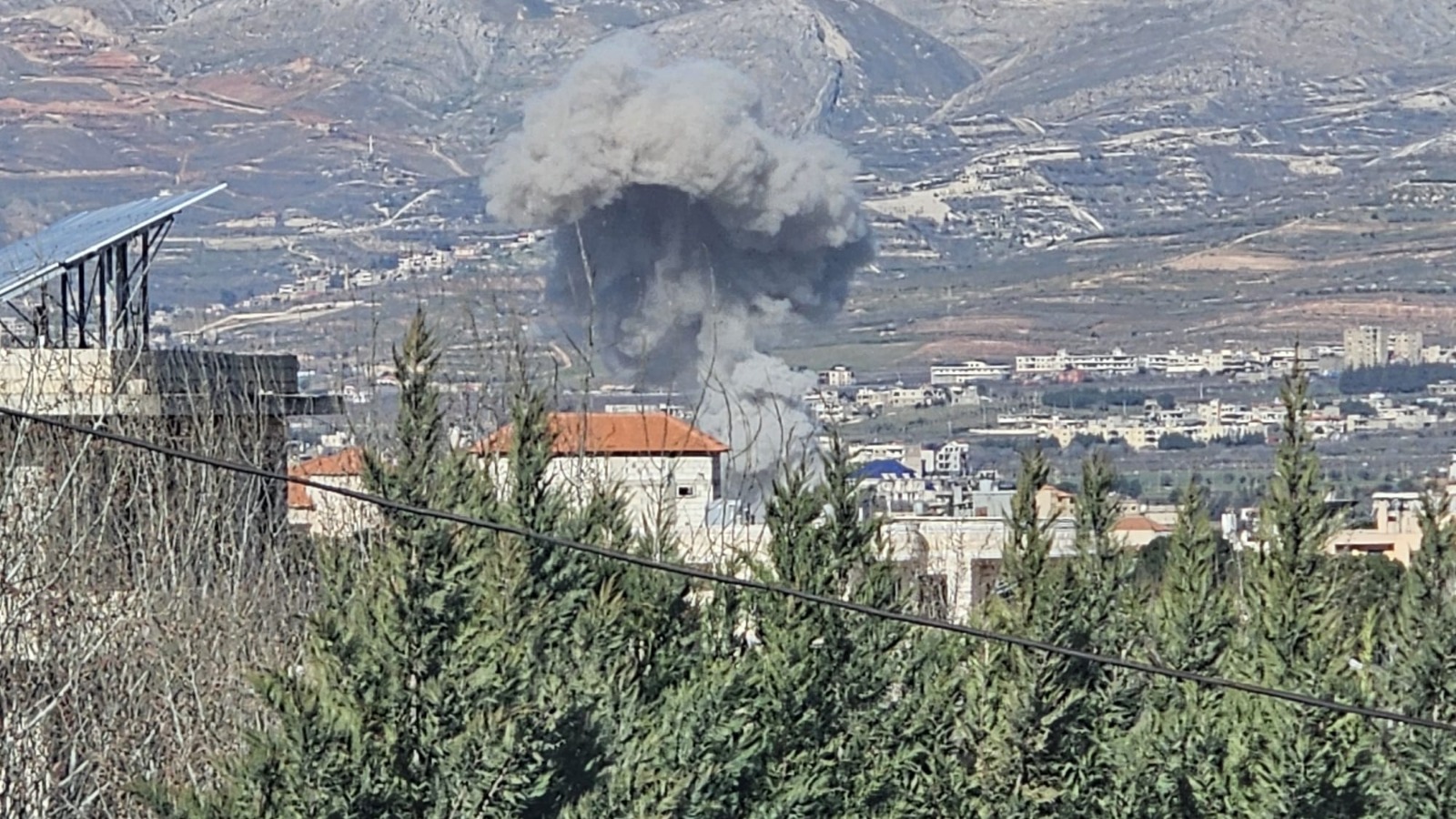
Today, three airstrikes were recorded in Baalbek: two in northern Bekaa targeting the towns of Nabha and Shaath, and a third on the plain of Tamnine el Tehta in western Baalbek, resulting in a massacre.
The airstrike on a hangar in Tamnine el Tehta left seven victims, all of Syrian nationality, and 18 injured, including children.
Israeli shelling also hit the Al-Ramliya neighborhood on the outskirts of Ali al-Nahri–Serraaine in the town of Harbata in northern Bekaa.


South
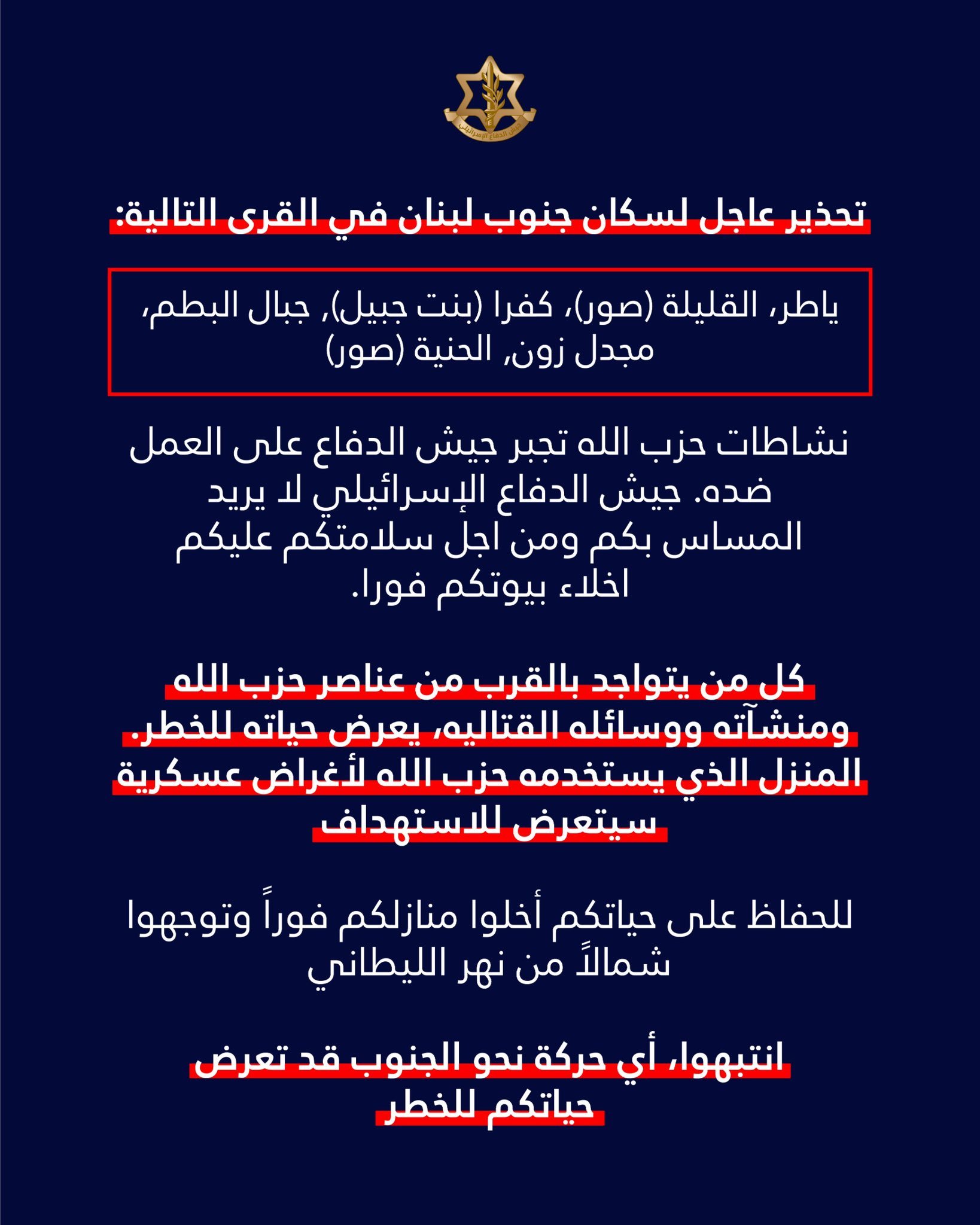
The Israeli army then warned residents in the south, specifically the following villages: Yater, Al-Qlaileh (Tyre), Kafra (Bint Jbeil), Jabal Al-Batm, Majdal Zoun, and Al-Hanniyeh (Tyre).
It added, “For your safety, evacuate your homes immediately and move to the area north of the Litani River.”
Nawaf Salam to Annahar
Politically, the new war has sparked division within Lebanon. Some political forces have held Hezbollah responsible for dragging the country into the conflict, while its supporters argue that the operations are a response to Israeli attacks and regional developments related to the war with Iran.
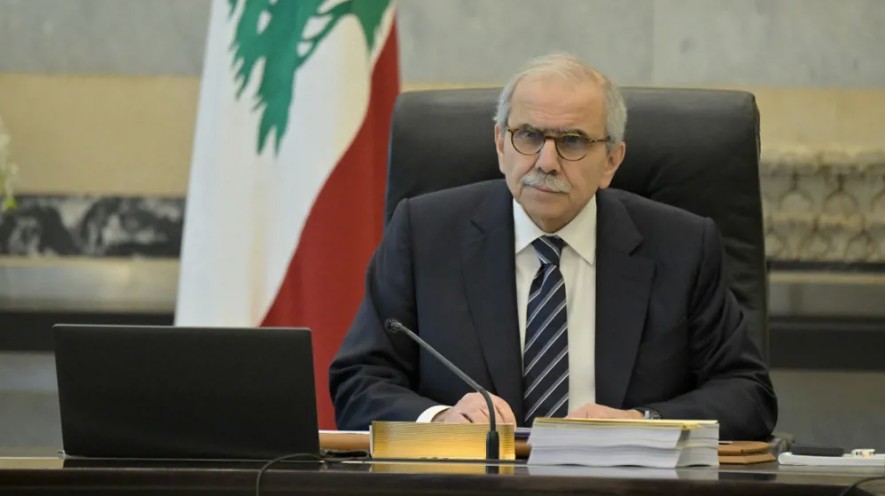
Meanwhile, Lebanese Prime Minister Nawaf Salam told Annahar that Lebanon had warned from the start about the risks of being drawn into a war that serves no national interest, emphasizing the need to preserve the country’s security and protect the interests of its people and state.
Salam said, “Lebanon repeatedly warned against being dragged into a war that serves no national interest and stressed the need to safeguard its security and the interests of its people and state. Unfortunately, we have been drawn again into the maze of a new war due to Hezbollah’s decision, instead of learning lessons from the first support war and its repercussions.”
The Prime Minister stressed that the Lebanese state is working to end the war by all possible means, saying, “This is not our war, and we did not choose to enter it. We have worked and continue to work to stop it by all available means.”
Regarding the political track, Salam confirmed that Lebanon is open to any diplomatic effort that could help stop the escalation, stating, “We are open to any form of negotiations.”
Since March 2, 2026, Lebanon has entered a new phase of war with Israel within the context of a broader regional conflict linked to the war between Israel and the United States on one side and Iran on the other. There are growing fears that the war could expand to involve other regional actors, threatening regional stability and further complicating the political and humanitarian situation inside Lebanon.