

Lebanon-Israel relations: From historical conflict to emerging dialogue



 Messenger
 Whatsapp
 Threads
 Email
Email
 Print
Print
 X
X
 Facebook
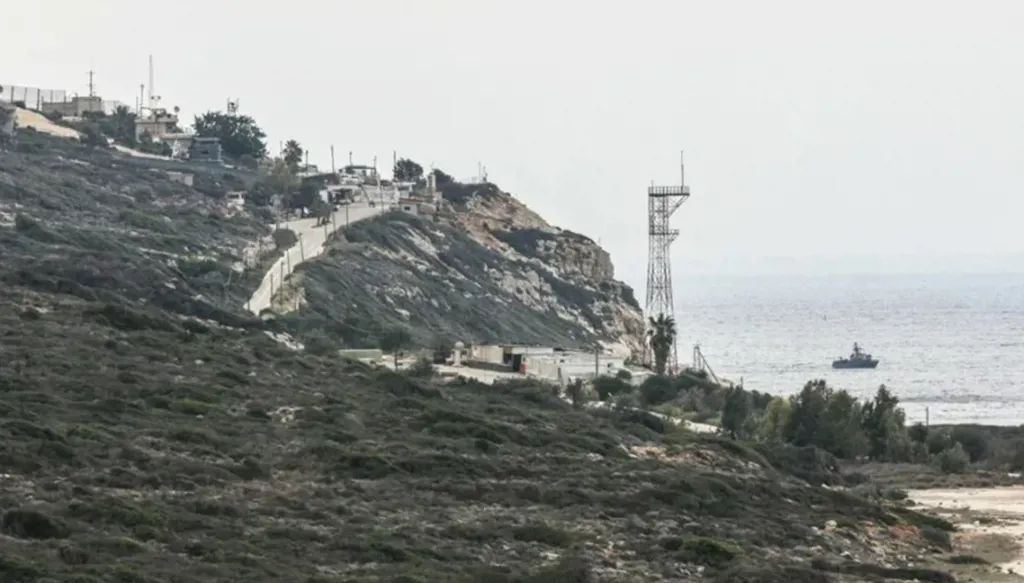


Historical periods have always shaped the relationship between Lebanon and Israel. From the Armistice Agreements to the phase of open operations, then the period of “Temporary Peace,” before escalating into open war, leading to a ceasefire and the formation of the Mechanism Committee… and yet, what was once forbidden has become permissible.
Discussing negotiations that could lead to a peace agreement has entered the public sphere. So, what changes are governing this path?
Dr. Michel Al Sham'aei, a writer and political researcher, highlights a series of internal, regional, and international developments that have contributed to this shift. Al Sham'aei begins with the President’s inaugural speech, in which he said: “We tried the war policy with Israel, and we saw what it produced, so why don’t we try the other way?” - referring to diplomacy. At that time, he did not specify whether it would lead to negotiations but later indicated the possibility, leaving open whether they would be direct or indirect.
According to Al Sham'aei, everyone in Lebanon, including the “Shiite duo,” realized that the “theory of eternal war does not continue with a state like Israel, which receives massive support from the United States that holds significant global influence today.”
Several historical phases have marked the Lebanon-Israel relationship:
- 1948: Tension and hostility
- 1949: The Armistice Agreements
- 1983: The 17 May Agreement
- 1996: The April Understanding
- 2006: UN Security Council Resolution 1701
- 2022: Maritime border delineation agreement
- 2024: Lebanon’s involvement in the “Support War” and subsequent cessation-of-hostilities agreement
Between these milestones, perceptions of the conflict evolved. Al Sham'aei lists influencing factors: “Internally, Hezbollah seeks to operationalize its weapon through a process of political leverage to amend the Lebanese constitution and gain additional powers in the political structure. It fully realizes that it cannot build a state of its own nor control Lebanon outright, so it seeks constitutional legitimization of its arms.”
Practically, the peace agreement on the ground was achieved after 2006. Al Sham'aei notes that “no operations occurred from 2006 until the major explosion on October 8. Had Sinwar not acted, the so-called ‘temporary peace’ might have continued for years,” adding that “the decision is linked to the regional strategic dimension, particularly Iran. The matter thus involves both Lebanese and regional axes through Iran’s and Hezbollah’s influence in Lebanon.”
He asserts: “Iran uses Hezbollah as a chess piece in negotiations with America. However, Iran overlooked that the republican mindset differs from the democratic mindset. The operation to eliminate Iranian arms, including Hezbollah’s, was first decided by America, and then by Israel.”
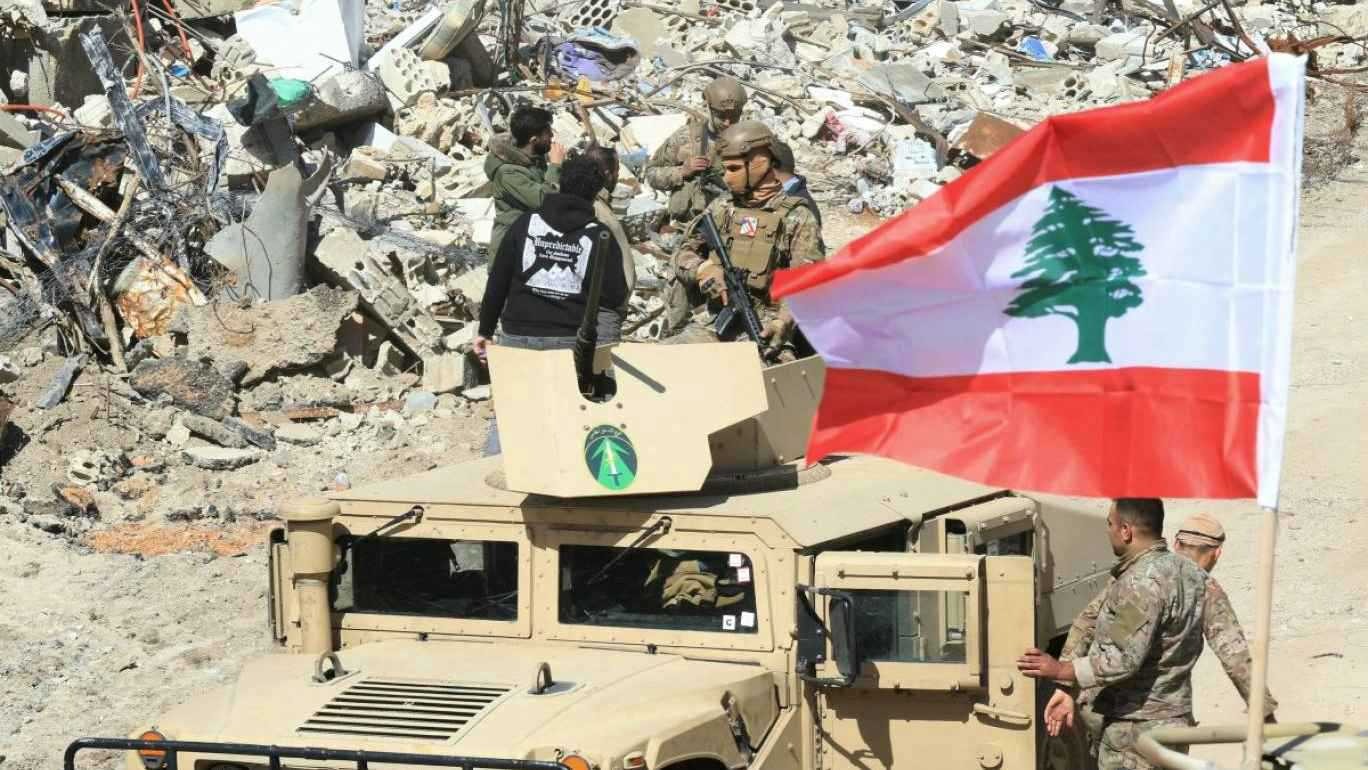
Regionally, Al Sham'aei refers to the Abraham Accords. When Benjamin Netanyahu presented a map of the Middle East at the United Nations colored in blue, he did not mean the traditional concept of Greater Israel. Geographically, his aim was economic control from the Nile to the Euphrates. While Israel may take strategic areas, as seen in Syria, it prioritizes national security.
Because of these dynamics, discussing a peace agreement or negotiation has become “permissible talk.” The train of history has started, and Lebanon risks being left outside this framework if it does not engage.
Internationally, Al Sham'aei emphasizes the economic dimension. Lebanon’s ongoing crisis revealed that it cannot recover without entering the investment ecosystem of the Eastern Mediterranean, linked to natural gas. This is only possible with stability, achievable through a deal, negotiations, or peace with Israel - regardless of terminology. Investment cannot occur in the region if entities deemed terrorist by the United States, such as Hezbollah and Hamas, threaten security.