

Preparing for AI: How Lebanon, Jordan, and Syria hope to navigate the coming revolution
From Lebanon to Jordan and Syria, ministers reveal how digitization, artificial intelligence, and human-capacity building are shaping the future of public services.



 Messenger
 Whatsapp
 Threads
 Email
Email
 Print
Print
 X
X
 Facebook
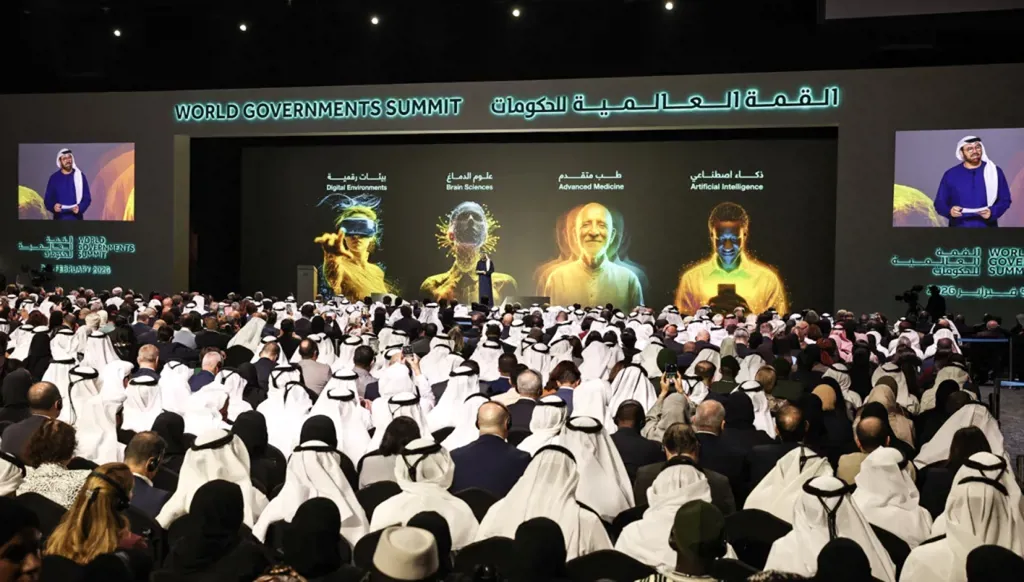


She explained, "In the Ministry of Social Affairs, which is changing its name and approach to social development, one of its pillars is automation and social intelligence. So far, we have reached advanced conditions in implementing these initiatives, which provide citizens with transparency and faster services."
She concluded, "Soon, there will be a pivotal change in the performance of ministries, including the Ministry of Social Affairs, through digitization and artificial intelligence."
Jordan
Minister of State for Public Sector Development Badriya Al-Balbisi emphasized that the government aims to be ready to implement artificial intelligence in its administrations.
She said, "We can say there is an excellent level of readiness regarding various aspects, but there are still some matters we focus on or prioritize."
She noted, "Data is collected, managed, classified, and documented in a unified way because it forms the foundation for all AI initiatives. Another important aspect in this field is human resources, and Jordan seeks to invest in them."
She added, "We are speaking with you— the Council of Ministers has decided to establish the Jordanian Academy for Government Administration. This platform will rebuild government capacities to be ready for the future and meet the requirements of this readiness in general."
Syria
Syrian Minister of Communications and Information Technology Abdul Salam Haykal stressed that entering the age of artificial intelligence is not optional, noting that the issue is not just entering this era but how to align AI and its standards with state sovereignty regarding data, infrastructure, and culture.
Haykal explained that artificial intelligence reflects local identity, character, needs, and information security, all of which are key considerations for the state.