

Europe in the eye of the geopolitical storm: Navigating alliances and autonomy
As Washington, Moscow, and Tehran shape the global stage, Europe must reconcile alliance obligations with the urgent need for autonomy—or risk being sidelined in the 21st-century geopolitical game.



 Messenger
 Whatsapp
 Threads
 Email
Email
 Print
Print
 X
X
 Facebook
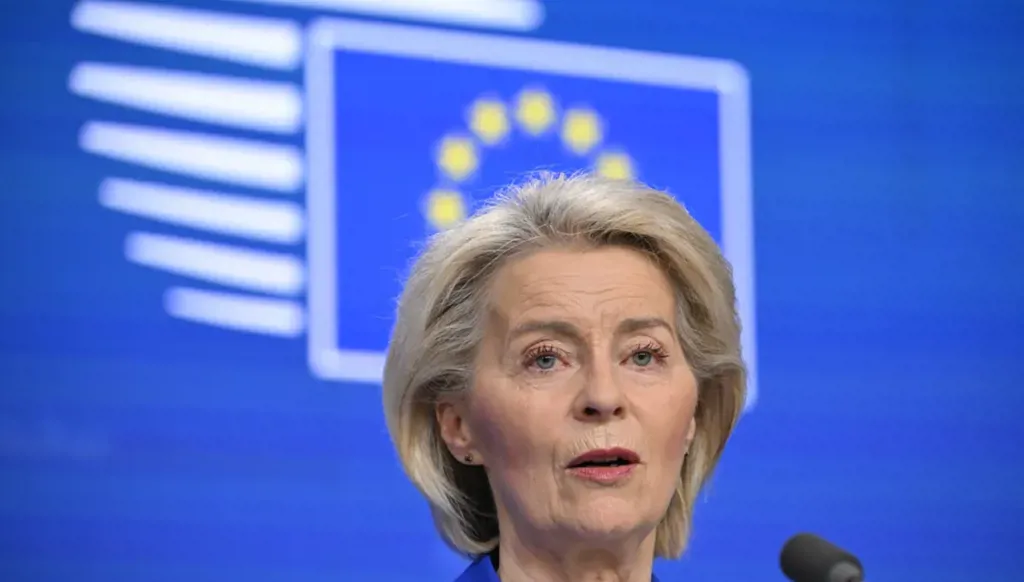


In a globally charged moment marked by intersecting tensions, Europe today faces a complex strategic test: managing the repercussions of American policies toward Iran without jeopardizing its delicate balance between continental security and transatlantic commitments. Washington's rejection of the latest Russian proposal was more than a mere negotiating stance; it signaled American priorities that may not necessarily align with European calculations.
From a European perspective, this rejection is seen not only as a defense of support for Ukraine but also as part of a broader American strategy that is reshaping spheres of influence from Eastern Europe to the Middle East. This is where the concern arises: European capitals fear becoming mere recipients of major deals in which they play no active role. Even the mere suggestion of an intelligence exchange between Moscow and Washington—later denied—highlights the fragility of trust within the Western camp and reinforces the perception that Europe is not always at the decision-making table.
Even more dangerous is the overlap between issues like Iran, Ukraine, and energy, which puts Europe in a defensive position; the U.S.‑Israeli escalation toward Iran — and the resulting threats to navigation through the Strait of Hormuz and broader Gulf shipping routes — affects not only military security but also directly threatens European energy security.
With Washington easing sanctions on Russian oil to ease market pressure, Europe faces a paradox: partial reliance on a supplier it had sought to isolate, even as tensions with Moscow rise. The military and intelligence collaboration between Russia and Iran further complicates this dilemma. Reports of Russian technical and informational support to Tehran—whether fully accurate or not—heighten the European perception that threats are no longer geographically isolated but interwoven within a multi-layered conflict web. Any escalation in the Middle East could therefore have a direct impact on European security, either by targeting Western interests or triggering waves of economic and strategic upheaval.
Relations with Washington now appear more complicated than ever. Sharp American statements toward NATO allies, coupled with pressures to support military actions in the Gulf, reveal a widening gap in strategic visions.
Europe, favoring a more cautious and multilateral approach, faces an American partner inclined toward unilateral and decisive policies, undermining the traditional coordination within the alliance.
Europe remains heavily reliant on the American intelligence and military umbrella, particularly regarding Ukraine. The continued flow of intelligence to Kyiv is a critical factor in sustaining balance on the battlefield, even as other forms of support diminish. This dependency constrains Europe’s ability to pursue fully independent policies, often compelling alignment with Washington, sometimes at the expense of its own priorities.
These developments highlight a real European dilemma: balancing the need to maintain the alliance with the United States and the growing need to build strategic independence capable of responding to a world moving toward more intense multipolarity. European security is no longer shaped solely in Brussels or Berlin but is influenced equally by decisions made in Washington, Moscow, and Tehran.
The question is not whether Europe can adapt to these changes, but whether it is ready to redefine its role in an international system that leaves no margin for error.
Disclaimer: The opinions expressed by the writers are their own and do not necessarily represent the views of Annahar.