Trump, Netanyahu, and the Middle East: A region held hostage

Opinion 09-03-2026 | 14:34

Trump, Netanyahu, and the Middle East: A region held hostage

From missile strikes to oil facility attacks, escalating U.S.-Israeli actions risk plunging the Middle East into chaos—what’s at stake for global stability? 
Trump, Netanyahu, and the Middle East: A region held hostage
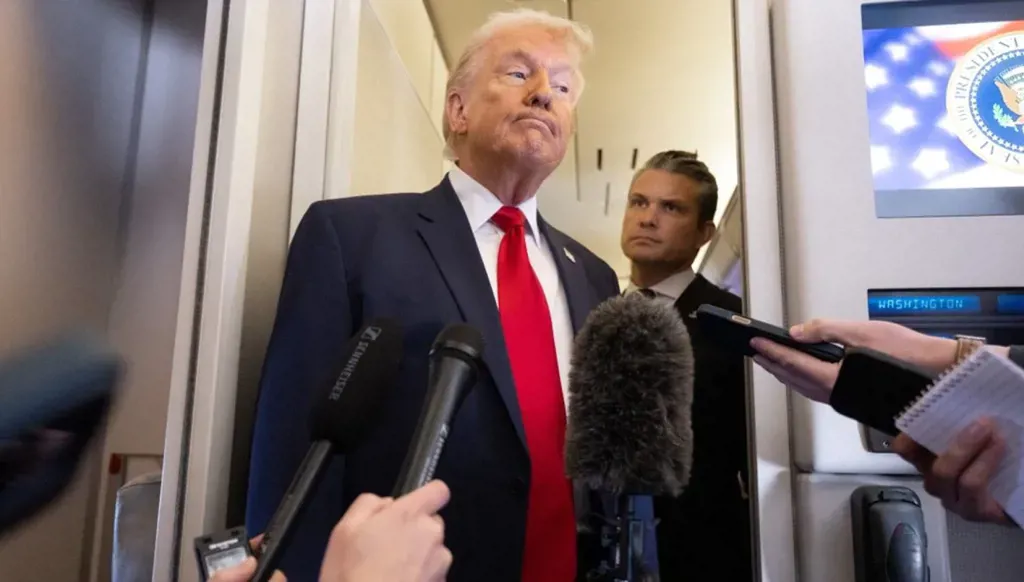
Endless war… Has the region fallen under Trump’s grip? (AFP)
Smaller Bigger

The statement that has stayed with Benjamin Netanyahu since the Gaza war is his promise to change the Middle East, bringing us into direct confrontation with Iran—turning it not only into the eradication of the regime supporting the resistance axis but into holding the entire region hostage in a conflict whose only known outcome is mutual escalation. Wars in the Middle East, as we know, are easy to start and difficult to end!


But this aggression can no longer be justified, even within the American public, where doubts about the true reasons, goals, and scope of a war that could extend beyond weeks are beginning to emerge—making it seem as if Trump, the man behind the slogan "Make America Great Again," has become ensnared in Netanyahu's quagmire!


The war is no longer confined to two fronts; Trump has dragged the region into his battle without consent. After his forces, alongside his ally Israel, succeeded in targeting the Supreme Leader and some of the top figures described as part of the hawks’ camp, the behavior of the Iranian regime remained unchanged, and it continued launching missiles, contrary to Trump’s promises. Instead, the American president pressured arms manufacturers to rapidly replenish his forces’ ammunition, deployed elite troops and additional aircraft carriers, and called on allies for military support—as if he is not seeking an end to this war, but steering it into a new phase that raises unanswered questions about the true objectives of his campaign with Netanyahu against Iran. This is especially concerning amid talk of mobilizing armed opposition, reminiscent of the Iraq scenario, after the United States failed to incite internal unrest in Iran. Yet Iranians have not abandoned their streets, day or night, and festivals, mourning gatherings, and public demonstrations continue to thwart plans for an uprising, while the Revolutionary Guards have preemptively struck militant camps along the border.



The war is far from over, and oil prices have not fallen as Trump promised. Yet the US-Israeli strikes on Iran’s oil facilities and water desalination plants seem aimed at prolonging the conflict and escalating it to a new level involving regional militaries, following similar attacks on installations in occupied territories and along the coasts of the Arab Gulf countries. It feels as though Trump is deceiving us! Even when he announced that the Iranian president had apologized to his Arab neighbors and pledged not to repeat attacks under American pressure, it seemed like an illusion being sold. Masoud Pezeshkian conveyed a veiled warning in soft terms: “Those who do not support the aggression will not be targeted by Iranian missiles”!


Iran has destroyed US bases, focusing on targeting military radars, while Trump continues his open campaign that has brought nothing but devastation to the region, demanding Iran’s surrender, even as it insists on holding onto the last bullet in its gun!


This American insistence raises the question of whether Trump is carrying forward the project he began during his first term, aiming to crown Israel as a ruler over a devastated region, with the mission of the Abraham Accords being to neutralize regional powers—including Gulf and Arab forces—by drawing them directly into this war.


Though Trump is not a captive of the Zionist vision, he leverages it as part of a broader strategy. Israel’s goal is the destruction and division of Iran, but the redrawing and management of the region serve American interests—from Trump’s perspective. Moreover, the involvement of competing powers like China in this vital region, which is central to its economy yet under U.S. protection, is an issue that demands attention and change.


Disclaimer: The opinions expressed by the writers are their own and do not necessarily represent the views of Annahar.