

U.S. and Iran on a knife-edge in Geneva as Netanyahu weighs strikes
Amid high-stakes Geneva talks, Trump tests “peace through strength” while Netanyahu sets strict conditions on Iran’s nuclear and missile programs.



 Messenger
 Whatsapp
 Threads
 Email
Email
 Print
Print
 X
X
 Facebook
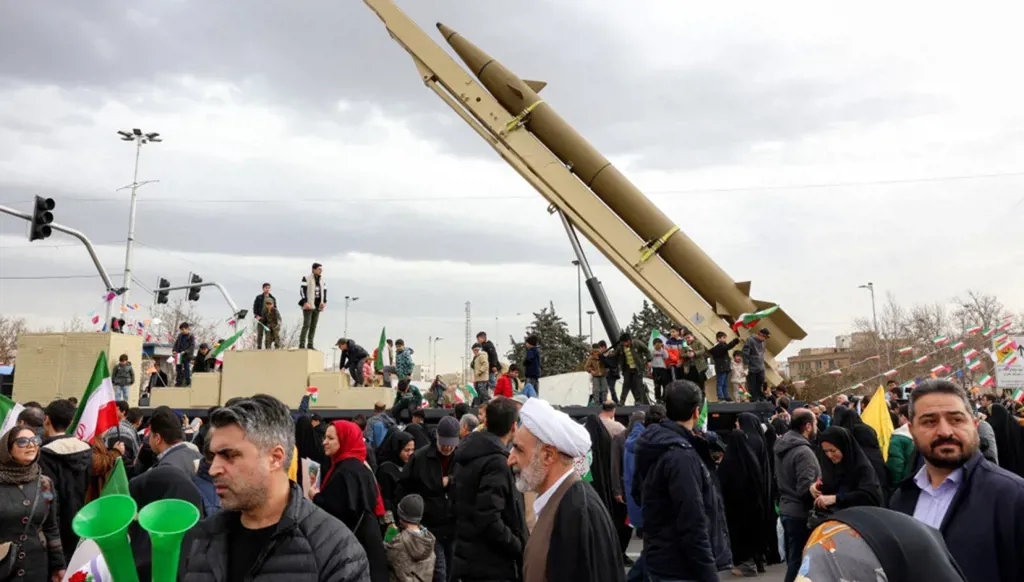


A second round of U.S.-Iranian negotiations is taking place in Geneva amid much speculation. Perhaps the only certainty is that war and peace hang in the balance.
Amid this uncertainty about Geneva’s outcomes, both sides are issuing negotiating statements. Iranian Foreign Minister Abbas Araghchi emphasizes that he brings "genuine ideas for reaching a fair and equitable agreement." His deputy, for the first time, hinted that Iran is seeking a deal that delivers economic benefits both for Iran and the United States. Such statements are likely to appeal to U.S. President Donald Trump and his envoys Steve Witkoff and Jared Kushner, all three of whom favor "deals" over traditional agreements.
But the U.S. and Iran are not the only ones at the table. Israeli Prime Minister Benjamin Netanyahu is negotiating remotely and doubts that any agreement is possible, aligning more closely with U.S. Secretary of State Marco Rubio’s pessimism. On the eve of the Geneva round, Netanyahu outlined the minimum terms he could accept: the complete removal of Iran’s enriched uranium, dismantling the infrastructure that enables enrichment, decommissioning Iranian missiles with ranges over 300 kilometers, and halting Tehran’s support for regional “proxies.”
On Sunday, CBS News, citing two informed sources, reported that Trump told Netanyahu during their December meeting in Florida that he would support Israeli strikes against Iran’s ballistic missile program if Washington and Tehran fail to reach a deal.
This scenario echoes events from last June, when Trump authorized Netanyahu to strike Iranian nuclear and missile facilities before the U.S. itself carried out attacks on Iran’s nuclear sites at Fordow, Natanz, and Isfahan.
Although Trump repeatedly expresses a desire to reach an agreement with Iran, he pairs this with warnings of stronger strikes than those in June if Tehran does not agree to a deal primarily concerning its nuclear program, including full cessation of enrichment—even though leaked reports last week suggested some nuclear flexibility from both sides.
Araghchi’s accompanying a technical delegation to Geneva and his plans to meet IAEA Director General Rafael Grossi indicate Iran’s openness to resolving concerns over its enrichment levels. This could remove Western doubts about Iran’s nuclear ambitions, particularly regarding whether Tehran seeks a bomb as a guaranteed deterrent against Israeli or U.S. attacks, while also bolstering Iran’s regional influence.
Trump views negotiations with Iran as a test of his policy of achieving peace through strength, demonstrated by sending additional U.S. military assets to the Middle East. Retired U.S. General Jack Keane predicted that any broader military action could surpass the previous confrontation known as the "12-Day War," potentially targeting Iranian leadership, infrastructure, and missiles, and warned it "could put the regime on a path to collapse."
In this tense climate, both the U.S. and Iranian sides approach each round of diplomacy as if standing on the edge of a cliff.
Disclaimer: The opinions expressed by the writers are their own and do not necessarily represent the views of Annahar