

Can Arabs be Considered a rising power?
The recent qualitative alliances in the region, especially the Saudi-Turkish-Egyptian-Pakistani cooperation, with strategically important countries, cannot be ignored despite increased Israeli hubris.



 Messenger
 Whatsapp
 Threads
 Email
Email
 Print
Print
 X
X
 Facebook


The world seems to be entering a new cycle, opened by various obligations, some normal or natural, and others due to international interactions that occurred recently.
The concept of "socio-political" cycles is consistent according to sociologists who observe transformations in the context of human movement development and the reactions from experiences that occur. In their view, everything happening is just experiments, not based on definitive constants. If it wasn't, some chapters in history, believed to be eternal, such as the pharaohs' reign which lasted 3000 years and ended more than 6032 years ago, would not have closed.
We are undoubtedly facing a transformative situation today similar to what happened in 1990 when the socialist system led by the Soviet Union, which had tremendous influence up to the point of controlling or influencing almost half of the world, collapsed. The signs of this transformative state are clear and were unleashed by the distinguished American president Donald Trump. However, the new picture's panorama has not yet fully clarified, despite the expressive lines that appeared in the past few months. These lines exhibit new mosaic colors and strange blends we did not expect to occur. For example: Russian silence over the new American advance and cooperation between long-standing rivals China and the United States, which will lead to high-level visits, something that did not happen during ordinary coexistence. Meanwhile, all analyses assert that Trump's primary goal is to encircle the promising Chinese giant.
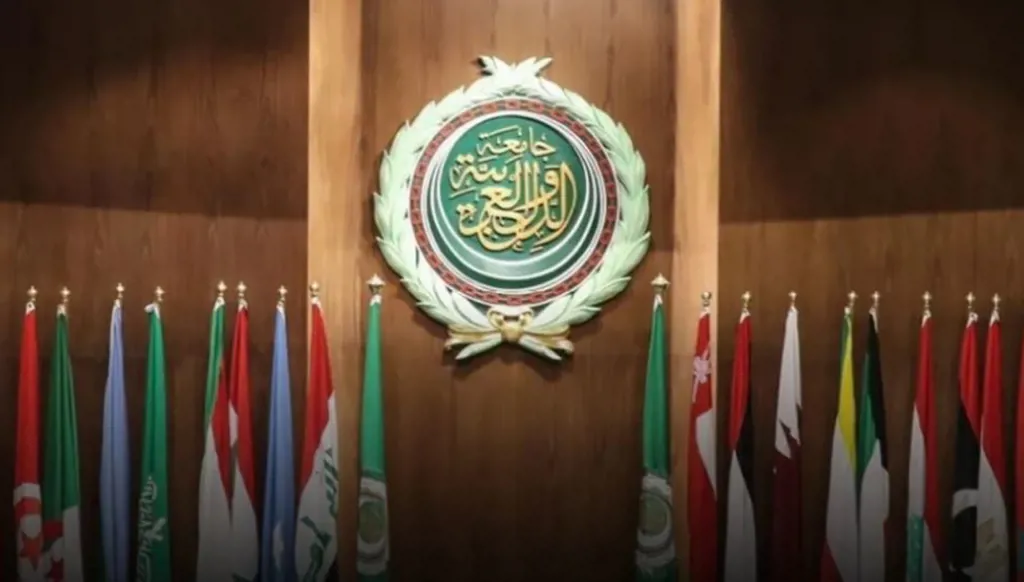
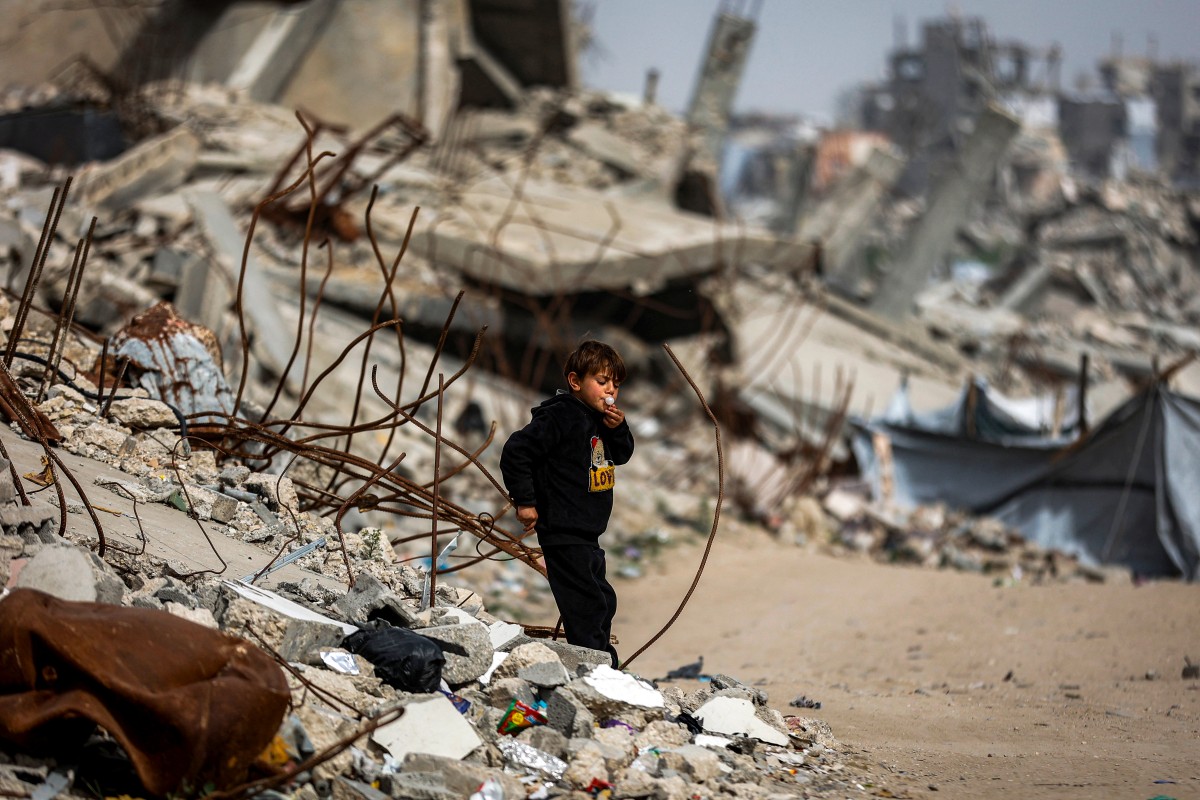
The Arabs – or the group of countries involved within the framework of the Arab League – have received significant blows from the existing international context. Israel exploited the enormous imbalance in power in favor of its American ally, delivering stronger blows in response to the provocations by its Palestinian victims, actions that defy logic and rationality. They overstepped all values and principles in a blatant exaggeration in response to an ordinary event that occurred on October 7, 2023, in the Gaza envelope, regardless of its correctness, or spontaneity. The perpetrators perished, and those who have sacrificed their lives shouldn't be judged. The leaders of Tel Aviv broke free of all restraints and expanded the scope of their assaults to reach neighboring or distant countries, meddling in others' breathing space, spreading venom, and wreaking havoc.
However, the Arabs, who number over 500 million between residents and expatriates, have their status. All attempts to marginalize or disregard them have been unsuccessful, and they preserved their language. They are now in a position that may enable them to play an advanced role in the next global movement phase, regardless of internal conflicts or some components' subjugation. There are clear indicators that might increase the accuracy of this view. Professor Paul Antras of Harvard University stated that the Arab – particularly Gulf – countries are less affected by the Chinese-American flood threat because they do not manufacture the same goods while possessing components to develop their investment activities. As he said, Saudi Arabia holds the key to success.
A common saying goes, "what doesn’t break you makes you stronger," and in this sense, one could bet on a better Arab future. The Arab situation – in its diversity or differences – may be better than that of other regions globally, where doubts surround some countries' or continents' capacity, known for their influential imperial power beyond their borders, to regain control of significant global issues. Perhaps European countries, Iran, and Ethiopia fall into the category of stagnant or non-rising powers, while Arabs or some substantial Arab countries might be among the rising powers, with international circumstances possibly aiding them despite all the negative factors surrounding them. They possess soft or hard power elements that can be leveraged to shape significant future effectiveness.
Some might not agree with this perspective, and the Arab reality faces substantial challenges that prevent significant ascendancy. These skeptics could be right. However, certain visible or invisible factors suggest a shift in United States priorities, specifically regarding betting on or reliance on Israeli factors, especially after what happened in the New York City municipal elections on November 4, 2025, and the UN vote on December 15, 2025, which increased supporters for establishing a Palestinian state to 164 countries, while the United States, Israel, and some non-influential countries remained opponents.
Arab soft and hard power appeared more influential. The independence margin granted the geopolitical region important status, although most Arab countries maintain distinguished friendships with Washington. This latter may reconsider some priorities, given the qualitative alliances recently included in the region, notably the Saudi-Turkish-Egyptian-Pakistani cooperation, alongside strategically significant countries, which cannot be ignored no matter how heightening Israeli arrogance becomes.
*The perspective mentioned does not necessarily reflect the views of the Annahar media group.