

Shadow Negotiations: How Proxies, Sanctions, and Military Deployments Shape the New U.S.–Iran Talks
Iran will not rush to give up its influence even though it knows that the existence of its proxies/militias has become merely negotiating chips.



 Messenger
 Whatsapp
 Threads
 Email
Email
 Print
Print
 X
X
 Facebook
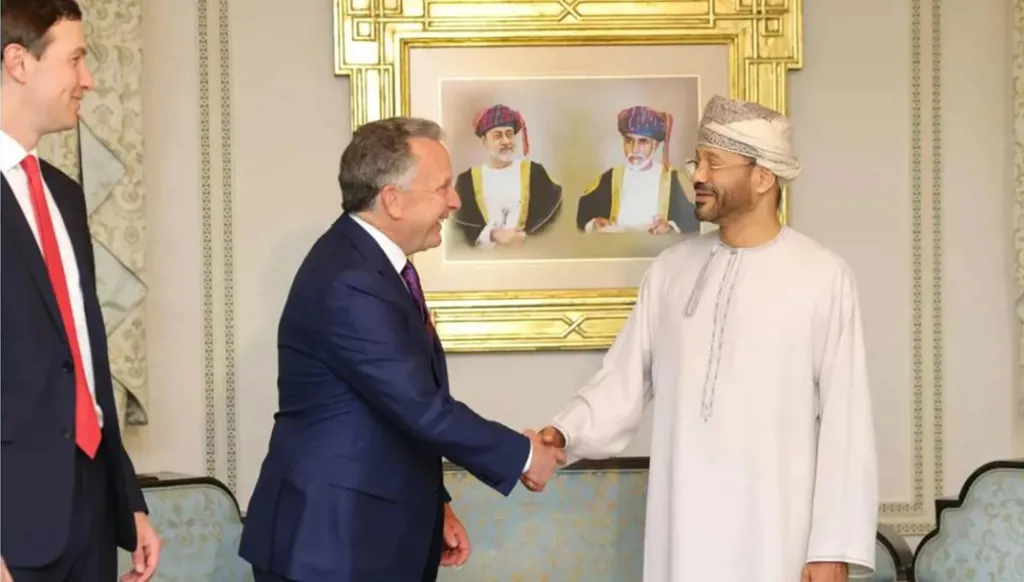


The American-Iranian negotiations have just begun, and there is no guarantee of reaching a new agreement within the timeframe set by Donald Trump. Iran is currently proposing to discuss a 'nuclear deal' exclusively, while the U.S. is signaling initial acceptance, but as a test, without giving up its known conditions that effectively aim to diminish the Iranian nuclear program, making it genuinely 'peaceful' under strict control, in addition to reducing the range of Iran's missiles and ending its support for militias in Lebanon, Iraq, and Yemen.
Tehran is approaching the tunnel of concessions and insists on 'indirect negotiations' to impose its slow pace and distance the possibilities of war, as well as to secure a deal ensuring significant lifting of sanctions. However, Washington, which continues to bolster its military capabilities to encircle Iran, cannot maintain this costly deployment for an indefinite period. Therefore, experts tend to believe that the American position will become clear soon, based on Tehran's readiness to reach a nuclear agreement in the first phase and directly link it to opening other files.
In the best scenario that can be expected, the reflection of these negotiations on the regional situation will be delayed, as Iran will not rush to relinquish its influence even though it knows that the existence of its proxies/militias has become merely negotiating chips, and it is more beneficial and available for it to exchange them for protecting self-interests or dismantling a massive and complex issue like sanctions.
However, as long as the American military threat remains and targets the Iranian interior specifically, Tehran still needs the role of 'proxies' to show that targeting it can ignite a 'regional war', according to Supreme Leader Ali Khamenei's expectations and the responses of loyal militias.
It is certain that the American-Israeli agreement to sever the relationship between 'proxies' and Iran motivates the latter to cling to them, whether because they are 'local forces' that are difficult to eradicate, or because they are tools that can be used against America and Israel, destabilize the Arab states where they operate, or finally to bargain with if necessary.
As it did during the negotiations of the Barack Obama and Joe Biden administrations with Iran, Israel is repositioning itself to influence the negotiation track, despite the close relationship between Donald Trump and Benjamin Netanyahu and their aligned objectives and motives. But just accepting negotiation after military buildup, and to some extent accepting initial conditions presented by Tehran, allowed Netanyahu to express doubts and concerns, especially after contradicting the views of envoy Steve Witkoff. In any case, the Israeli Prime Minister would pretend to be dissatisfied for several reasons:
Firstly, his belief that the opportunity for American involvement in weakening Iran's capabilities and regime may not present itself again as it is now.
Secondly, considering that any negotiated agreement would be to the benefit of the Iranian regime no matter how harsh the conditions.
Thirdly, the presence of a hawkish wing in the Trump administration that does not believe in the usefulness of negotiations and supports the military solution that Israel insists on.
Trump shows an inclination to give diplomacy a chance, in response to Arab and Islamic countries that reject war, and due to his assessment of American interests in that. However, if he is convinced by Netanyahu's arguments and insistence on the military option because there are joint plans ready and an unusual deployment of American forces, then the negotiations will not be completed. Whatever the chances of Netanyahu's success or failure in his mission, he will continue to provoke Iran and escalate in Lebanon and Syria, even if it leads him to pressure Trump as he did with previous presidents.