Trump and Iran on the brink of war



شارك على
 مسنجر
مسنجر
 واتساب
 ثريدز
ثريدز
 بريد إلكتروني
 الطباعة
شارك على


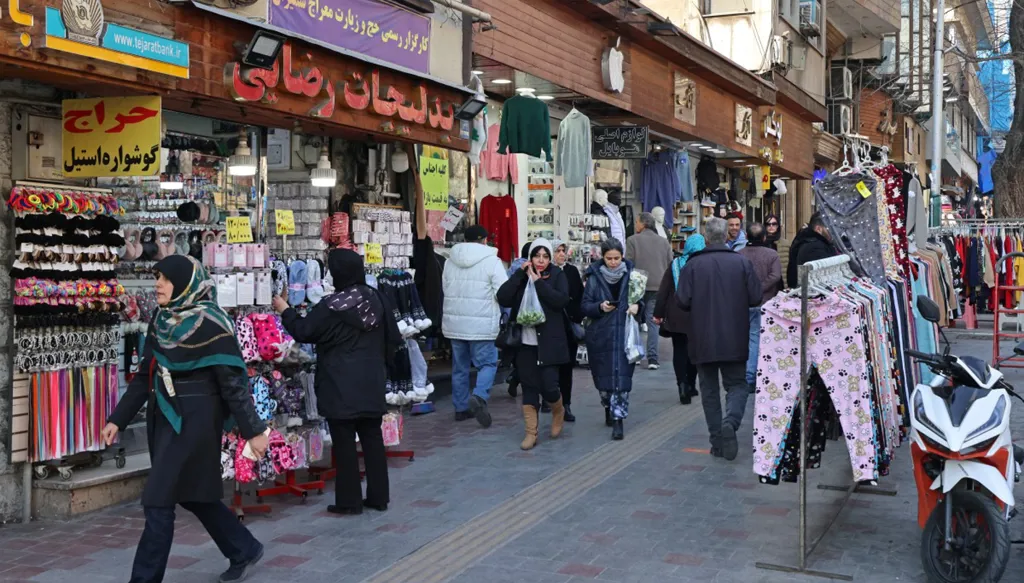


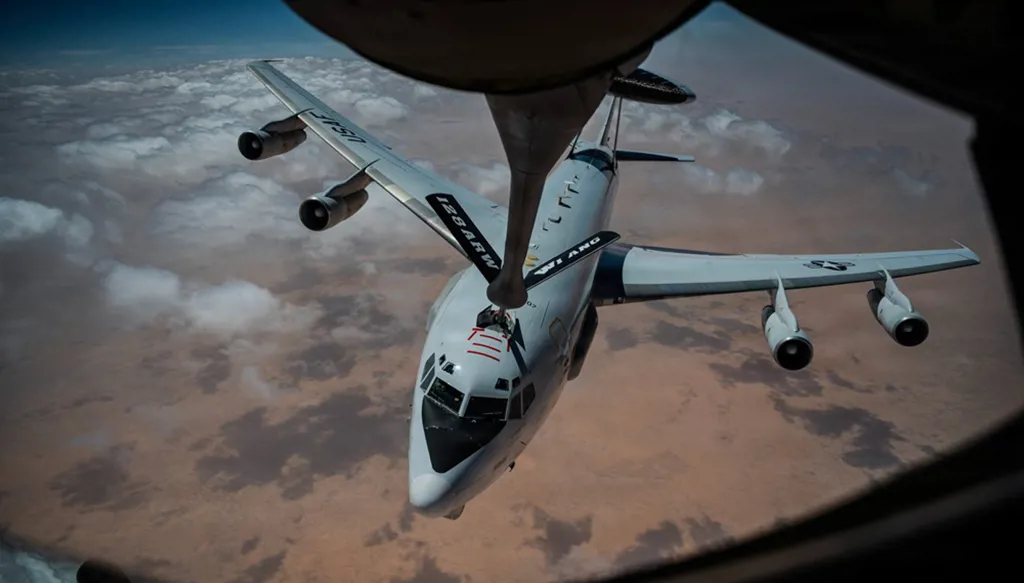
US President Donald Trump continues to amass forces around Iran, threatening war as he signals an interest in diffusing the conflict diplomatically. Tehran has responded declaring that any confrontation would devastate American and Israeli interests in the region.
Atypically, the dialogue between the United States and Iran is taking place openly, not through back channels. Trump tells reporters that the price will be “far worse” than what Iran paid during the Israeli-American war in June 2025. He openly lists his priorities: a new nuclear agreement that forbids Iran from enriching uranium on its own territory, limits its missile capabilities, and curbs the support it provides to its regional allies.
If Trump succeeds in forcing Iran to accept these terms, the threat of his “big, beautiful fleet” will have caused the most consequential change in the policies of the Iranian regime in years. All the better as Washington openly states that it does not yet see a ready alternative to the current Iranian system, as acknowledged by Secretary of State Marco Rubio before Congress.
Iran is well aware of what Trump is aiming for—the regime's reform not its overthrow—and in return the Islamic Republic sets its own, limited concessions. Foreign minister Abbas Araghchi publicly stated: “We always welcome a fair, just, and mutually beneficial nuclear agreement, on an equal footing, without coercion, threats, or intimidation, that guarantees Iran’s rights to peaceful nuclear technology and ensures it does not possess nuclear weapons.” Araghchi notably dropped the missile and regional influence issues from the negotiating agenda.
At the same time, Iran’s mission to the United Nations announced that Iran would defend itself if attacked “as it has never done before.” Ali Shamkhani, adviser to Supreme Leader Ayatollah Ali Khamenei, placed Israel and “those who support” an American attack within the targets of Iran’s response.
What elements of power does Iran still hold?
There are reports in the American press stating that despite the losses Iran suffered in the June war, it currently possesses two thousand medium-range missiles capable of striking Israel and US bases in the region. This is in addition to a large arsenal of short-range missiles, drones, anti-ship missiles, and boats used as torpedoes.
Trump appears uninterested in repeating the experiences of Afghanistan and Iraq, instead attracted by the “Venezuelan model” of pressure short of full-scale war. But just like Iran, he keeps the option of war open, hoping to keep his threats credible.
The only certainty is that achieving democracy ranks last among Trump’s priorities. Perversely, this is something the two regimes can agree on. He offers political survival in exchange for accepting the abandonment of enrichment, the curbing of missile power, and the reduction of regional influence. If Tehran finds Trump's statements sufficiently threatening, this may be a package they accept.
Disclaimer: The opinions expressed by the writers are their own and do not necessarily represent the views of Annahar.
العلامات الدالة
الأكثر قراءة