

2026: The year the Middle East’s battle lines are redrawn



 Messenger
 Whatsapp
 Threads
 Email
Email
 Print
Print
 X
X
 Facebook
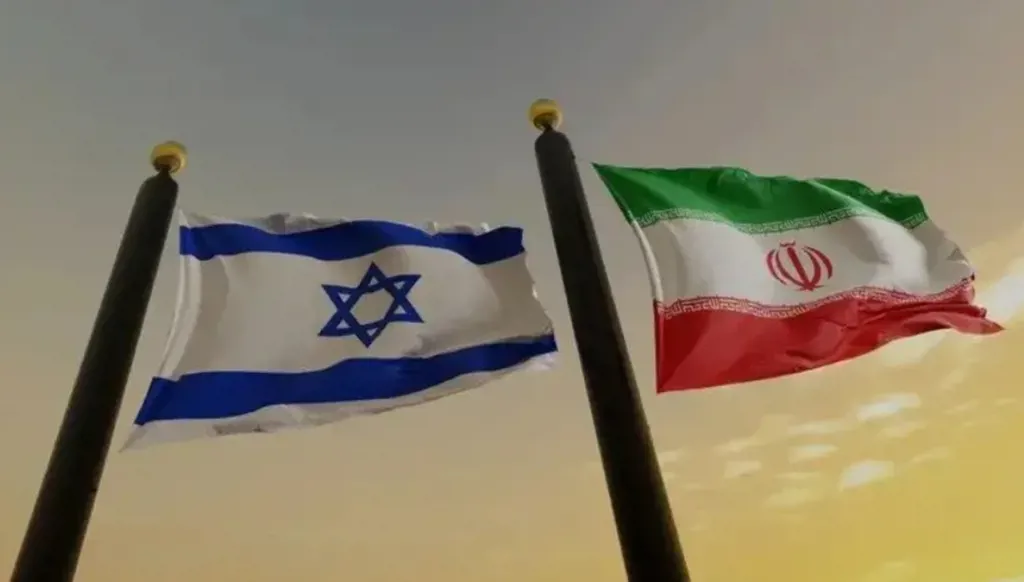


A series of anticipated developments in the coming year is expected to make 2026 a year of reckoning, marked by events and shifts that will shape the region for the next decade. Multiple theatres across the Middle East are witnessing escalating challenges and tensions that increasingly influence one another, largely due to the central role played by two key actors: Iran and Israel.
During 2025, the confrontation between the two moved from a proxy conflict to direct confrontation, a trajectory that is likely to continue despite Tehran’s sustained efforts to rebuild and strengthen the capabilities of its allies, who have suffered significant setbacks since October 7, 2023. In recent months, Iran has been working to close ranks among its allies in Lebanon, Iraq, and Yemen, seeking to contain the confrontation with Israel within those arenas and keep it away from Iranian territory. However, international pressure on these groups, particularly in Lebanon and Iraq, to disarm is set to persist, placing the executive authorities in both countries before difficult and decisive tests.
Israel is set to hold parliamentary elections in October, a vote that will determine the political fate of Prime Minister Benjamin Netanyahu and his government. This will place Netanyahu under intense pressure to buy more time by delivering achievements that bolster his standing with Israeli voters and help ensure his political survival.
Such calculations are likely to require the continuation of military operations on some, if not all, of the seven fronts that Israel says it has been fighting on over the past two years. Netanyahu’s meeting with U.S. President Donald Trump at the White House is aimed at identifying which fronts are to be activated and what objectives are to be pursued in each.
Naturally, no official details of the meeting are expected to be made public, despite widespread leaks and speculation. However, according to reports and analyses in Hebrew and Western media, the Iran, Lebanon, Iraq, and Yemen fronts are likely to see escalation in the coming period.
As for Iran, Israel appears determined to destroy its missile program alongside its nuclear program. Iran’s missile capabilities have clearly taken Israel by surprise and are now classified as a strategic threat, while also raising growing concern in Europe and the United States due to the increasing range of ballistic missiles and the sophistication of their warheads.
As a result, the West is likely to be open to supporting Israeli military action aimed at eliminating the Iranian missile threat, in addition to its nuclear ambitions. Tel Aviv is seeking direct U.S. involvement in a large-scale attack on Iran, although Washington is more likely to limit its role to defensive, logistical, and intelligence support.
Some observers fear that Israel could leverage U.S. backing for a new war with Iran to carry out operations aimed at toppling the Iranian regime, an objective openly discussed by Israeli figures during the most recent confrontation with Tehran. Israel may also be waiting for the end of the school year before opening a direct front with Iran, in an effort to reduce the risk to its population from large-scale ballistic missile barrages.
As for Lebanon, the process of withdrawing Hezbollah’s weapons north of the Litani River by the Lebanese Army is expected to face significant complications and stalling due to the party's refusal. According to warnings from several international entities, this could lead to a renewal of military action against Hezbollah positions, particularly in the Bekaa Valley, where ballistic missiles, long-range rockets, and drones are believed to be stored. At the same time, the mandate of the UN peacekeeping force UNIFIL in southern Lebanon is set to expire at the end of 2026, raising pressing questions about the future of the border areas with Israel and how they will be managed in the absence of a separation force, especially if Hezbollah’s arsenal remains intact. The upcoming war will strengthen the role of the mechanism, which will advance negotiations between Lebanon and Israel to a higher level from both sides. If Israel intends to launch ground operations towards the Bekaa, this means it would wait until spring in order to avoid snow.
The fate of the Iraq front is closely tied to the composition of the next Iraqi government and the future of the weapons held by Iran-aligned Popular Mobilization Forces (PMF). Should Tehran’s influence increase within the incoming government, the likelihood of Israeli strikes targeting PMF missile and drone depots would rise significantly. Washington is exerting strong pressure to prevent the formation of a government aligned with Iran and to push Iraqi authorities to disarm PMF militias. Any operations against Iraq could coincide with the anticipated Israeli war against Iran, given their geographical proximity.
The region saw dramatic developments in recent days linked to Yemen's situation, with Israel's recognition of Somaliland as an independent state. Many analysts believe Israel's aim is to establish a military base in the Bab al-Mandab area, the southern gateway to the Red Sea, opposite Yemen's coast. This will significantly enhance Israeli military operations against the Houthis in Yemen and monitor Iranian movements in the Red Sea. Israel's expansion toward Yemen has long-term implications linked to enhancing its influence in the Horn of Africa and encircling Egypt from the south. Despite the peace agreement between them, Israel continues to point to Egypt’s growing military capabilities as a potential source of concern.
The Gaza and Syria fronts cannot be overlooked. In the case of Gaza, developments are now tied to a peace plan bearing the name and signature of Trump, placing heavy pressure on Netanyahu and shaping his intentions toward the territory. The level of threat posed by Hamas to Israel has declined significantly, while the diplomatic track is moving toward implementation of its second phase in the coming weeks, although a military operation aimed at disarming Hamas cannot be ruled out.
On the Syrian front, the advancement of U.S.–Syrian relations at the security, political, and economic levels, and the lifting of Caesar Act sanctions, complicate Netanyahu’s clear efforts to leverage the Druze and Kurdish communities to pressure the Syrian government into accepting Israel’s terms within a new security arrangement. Washington’s backing of a Turkish–Saudi role in Syria, seen as safeguarding U.S. interests there, has also irritated Netanyahu.
The rapid pace of developments in Syria is likely to push the situation toward escalation and decisive field outcomes in the coming months, ultimately leading to a new security agreement between Israel and Syria and the consolidation of the new administration in Damascus.
Disclaimer: The opinions expressed by the writers are their own and do not necessarily represent the views of Annahar