

From Gaza to Somaliland: Netanyahu’s strategic detour before the Trump summit



 Messenger
 Whatsapp
 Threads
 Email
Email
 Print
Print
 X
X
 Facebook
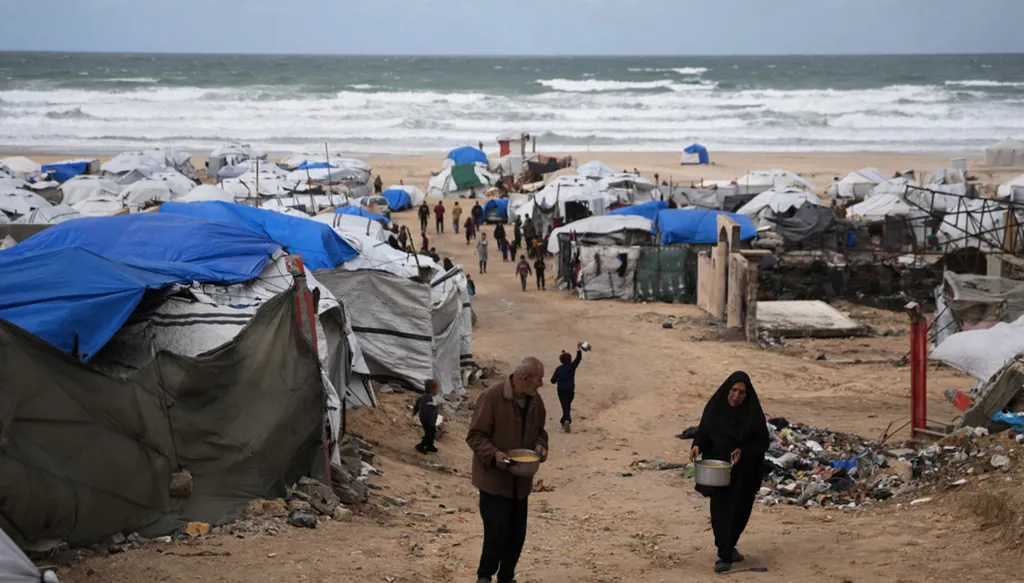


On the eve of the Florida summit with U.S. President Donald Trump, Israeli Prime Minister Benjamin Netanyahu added a new layer of complexity to an already volatile regional political landscape. His surprise recognition of “Somaliland”, a self-declared, unrecognized entity in the Horn of Africa, as an independent state sparked a wave of condemnation across the Arab world and internationally.
The Florida summit was originally expected to focus on transitioning to the second phase of the U.S. plan for Gaza. This phase includes the formation of an international stabilization force and the announcement of a “Peace Council” chaired by President Trump, which would oversee a technocratic committee. This committee would be tasked with governing the Gaza Strip in place of Hamas, initiating reconstruction, and overseeing the group’s disarmament.
Netanyahu will argue before Trump that the first phase of the plan has not been fully completed yet, claiming that Hamas still holds the body of Israeli soldier Ran Givoli and that the movement has not yet clearly announced its readiness to disarm, noting that this step is stipulated in the second phase. However, Netanyahu imposes his interpretation of the plan's clauses, just as he describes Israel's ongoing attacks on Gaza as necessary activities to maintain the ceasefire!
Before the Florida summit, Israeli Defense Minister Yisrael Katz repeated on Thursday that 'Israel will never leave the Gaza Strip', this after he had stated nearly two days earlier that Israel would establish settlement blocs there but retracted following U.S. anger and demands for clarification from Tel Aviv.
Israeli media outlets, citing political and security officials, have broadly agreed that Netanyahu is likely to seek U.S. approval to expand military operations in Lebanon, as well as the possibility of launching a new preemptive strike against Iran targeting its missile program.
This approach aligns with the statement by Israeli Chief of Staff Eyal Zamir on Friday, claiming that 'the battle is not over yet, as all fronts are active and we face many challenges to protect Israel and its citizens, and it is our duty to move forward for growth and renewal'.
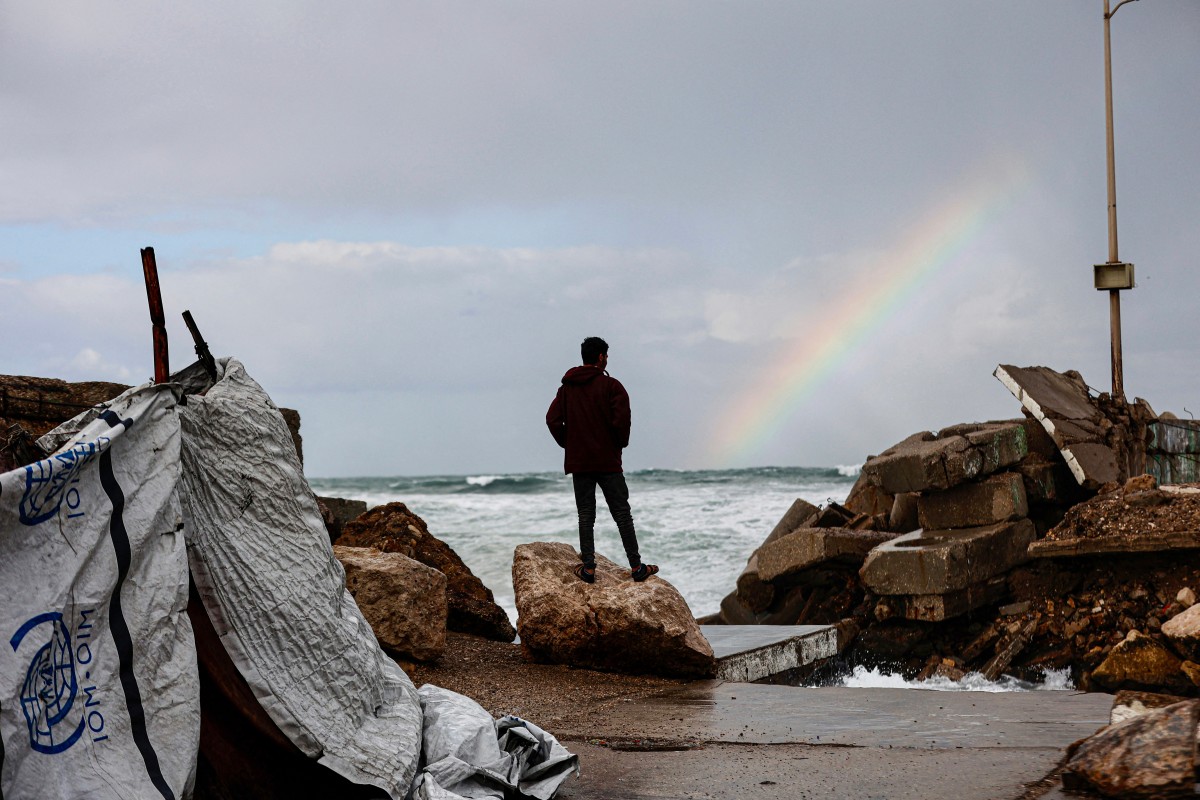
In this tense atmosphere, Netanyahu chose to deflect attention away from Gaza’s unresolved challenges by turning to Somaliland, which had been previously reported that the Israeli government discussed with officials of this region, which declared independence from Somalia in 1991, receiving refugees from Gaza.
Moreover, Netanyahu framed the recognition decision as being “in the spirit of the Abraham Accords,” a message clearly aimed at President Trump, who has placed particular emphasis on expanding the U.S.-brokered normalization agreements between Israel and Arab states.
However, the U.S. president's reaction to the Israeli decision was lukewarm, as he neither supported nor opposed it, especially at a time when a wave of condemnations from 21 Arab states to the African Union was issued, amid European surprise, while the issue will be presented at an emergency session of the UN Security Council later today at the request of Mogadishu.
Trump appears inclined to proceed cautiously so as not to alienate key U.S. partners involved in the Gaza plan, including Egypt, Qatar, and Turkey, countries Washington is relying on to help facilitate the plan’s implementation, particularly in persuading Hamas to lay down its weapons.
By introducing Somaliland into the regional equation outside the agreed agenda, Netanyahu has heightened tensions with Egypt. This came only days after a gas deal that Trump had hoped would help repair ties between Cairo and Tel Aviv, relations that have been severely strained by two years of war in Gaza. The same dynamic applies to Israeli–Turkish relations, which are likely to deteriorate further following the Israeli decision.
Disclaimer: The opinions expressed by the writers are their own and do not necessarily represent the views of Annahar