

Egypt warns of regional risks following Israel’s recognition of Somaliland



 Messenger
 Whatsapp
 Threads
 Email
Email
 Print
Print
 X
X
 Facebook


International reactions continue to pour in following Israel’s announcement recognizing Somaliland as an independent state. So far, most responses indicate outright rejection or express serious reservations.
Cairo is among the capitals most concerned about this move, which analysts say could fuel conflict in the Horn of Africa. It directly impacts Arab and Egyptian national security and poses a significant threat to the Red Sea and the Suez Canal, a critical route through which 12 percent of global trade and 30 percent of international container traffic passes.
Dr. Khaled Saeed, an academic researcher on Israeli affairs, told Annahar: "Israel is likely to offer political support and push the United States and Europe to recognize the region. It may also supply modern weapons, potentially triggering conflict with the Federal Republic of Somalia, threatening regional stability, impacting Arab and Egyptian national security, and disrupting traffic along this key international shipping route."
Egypt has recently stepped up its cooperation with countries in the Horn of Africa, signing agreements with Somalia, Eritrea, and Djibouti across various sectors, including military and security. These measures aim to strengthen the capabilities of these nations in response to Ethiopia’s actions to seize the Berbera seaport in Somaliland in exchange for recognizing the region as an independent state.
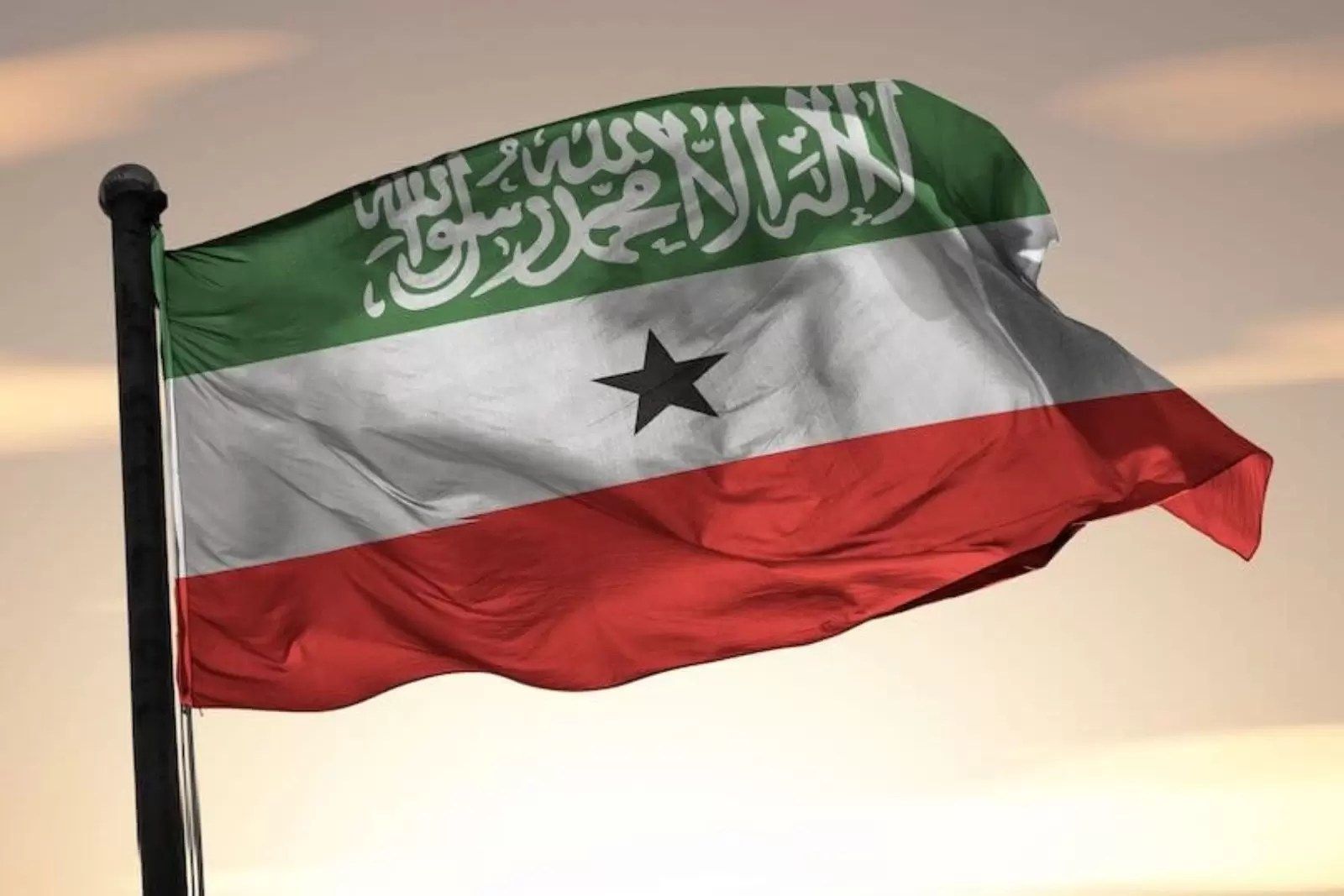
Since the region, with its 850-kilometer coastline along the Gulf of Aden, attempted to secede from Somalia in 1991, no country has recognized its independence. Analysts and politicians speaking to Annahar view Israel’s recognition as a "dangerous precedent."
Geopolitical Shift
African affairs expert Ramy Zohdy told Annahar: "Strategically, this recognition marks a significant geopolitical shift in the heart of the Horn of Africa, with Israel becoming the first state to recognize the region. Such an illegitimate recognition reflects continued Israeli violations of international law and hostility toward regional countries, including Palestine, Lebanon, Iraq, Syria, and now Somalia."
Zohdy added: "At the security level in the Horn of Africa, this move disrupts the regional order. It disregards the Somali federal government and creates a new reality that threatens the unity and sovereignty of Somalia, potentially sparking internal political disputes and further destabilizing the country and the broader region. It also paves the way for increased foreign interventions, which could intensify both international and regional rivalries, particularly among major powers competing for influence, complicating the regional security environment and turning it from a targeted balance into a complex and intertwined race of conflicting interests."
Regarding the impact of Israeli recognition on Egypt, Zohdy said: "Egyptian and Arab national security extends to the Horn of Africa, which serves as the security backbone of the Red Sea. Any shifts in the balance of power in that region will directly affect Egypt, particularly through the Red Sea and the Suez Canal."
He added: "Any disruptions in the Red Sea or Bab el-Mandeb would quickly affect the Suez Canal, raising insurance costs, altering shipping routes, or changing trade flows, putting pressure on the Egyptian economy that depends on these waterways. Therefore, stability in the Horn of Africa is directly linked to international navigation, and any shift in the region’s power structure has a direct impact on regional security and maritime traffic."
Serious Breach
Saeed said: "Israeli recognition was expected, though its timing was notable. It occurred ahead of a meeting between Israeli Prime Minister Benjamin Netanyahu and U.S. President Donald Trump, which could influence Washington’s future decision on recognizing the region. This reflects a Zionist policy aimed at fragmenting Arab countries and weakening their power and influence in the region."
Following Israel’s announcement, Trump stated that he would not recognize Somaliland at present but left open the possibility of future recognition.
The researcher specializing in Israeli affairs added: "In recent years, Hebrew media and research centers have cited Somaliland as a potential relocation site for residents of the Gaza Strip, estimating that around 400,000 Palestinians could be displaced to the region."
Saeed highlighted the possibility of establishing Israeli or American military bases in the region, which would expand Israel’s presence in the Horn of Africa and enhance its capacity to conduct military strikes against the Houthis in Yemen.
Disclaimer: The opinions expressed by the writers are their own and do not necessarily represent the views of Annahar.