

Cartoons and the hours we learned to wait
How early 2000s TV schedules shaped childhood imagination, attention, and emotional memory in a world before streaming.



 Messenger
 Whatsapp
 Threads
 Email
Email
 Print
Print
 X
X
 Facebook
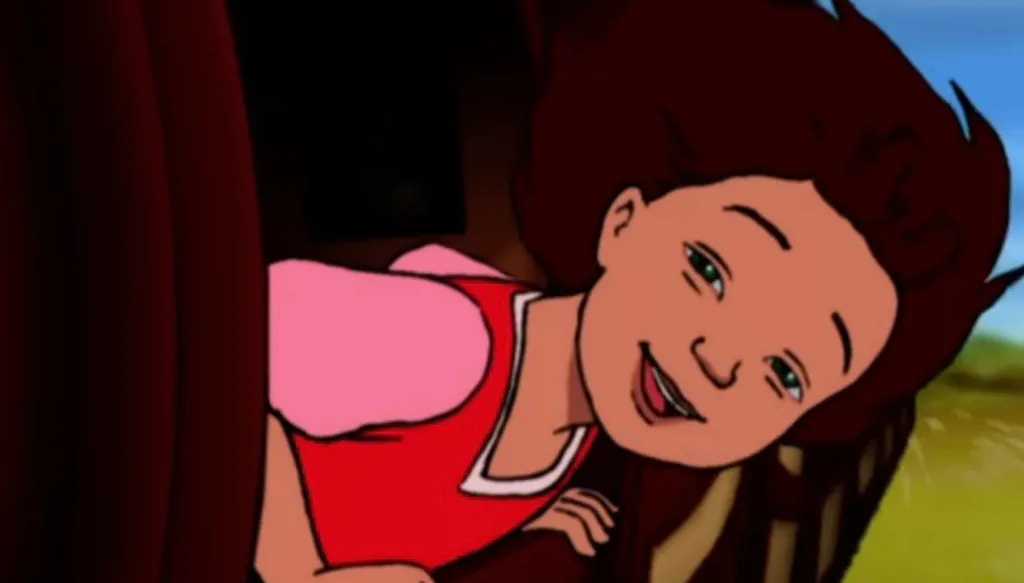


In early 2000s Lebanon, childhood followed a rhythm that feels difficult to recreate today. After school came the rush home, a quick snack, and then television would come alive. Channels like Tiji and Télétoon were not just background noise, they were destinations. They structured afternoons and created a shared emotional world for a generation raised on dubbed European and international cartoons.
Looking back, what stands out is not only the shows themselves, but how they were experienced. Cartoons were not instantly accessible. They were something you waited for.
When cartoons shaped who we were
For many children, cartoons were the first space where identity quietly formed. Watching was never passive. Each child projected themselves into a character.
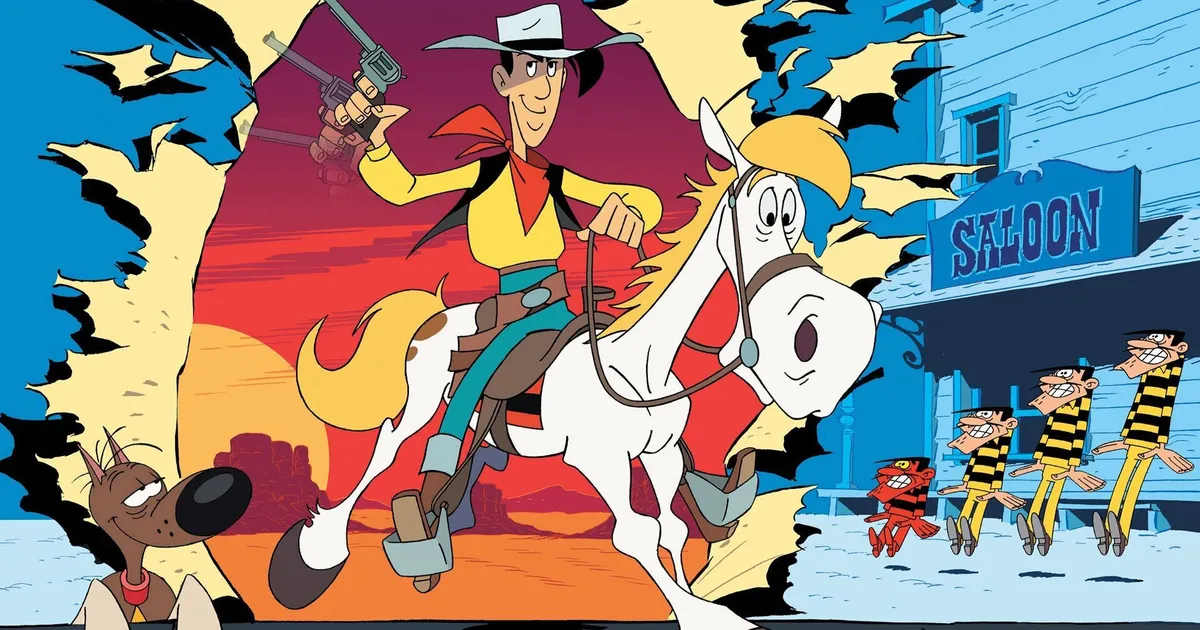
Some identified with Lucky Luke’s confidence, others with Danny Phantom’s awkwardness. SpongeBob SquarePants offered chaotic humor and escape, while Winx Club mixed magic, fights, and style in a way that made characters feel aspirational.

French-dubbed series like Martin Matin, Martin Mystère, and Avatar expanded imagination further. These worlds allowed children to “try on” different emotional identities without realizing it.
But television was only part of it. Another layer of storytelling had already shaped imagination long before the screen turned on.
Before screens: stories told through pages
Before streaming and constant TV access, many of these worlds came through books and comics. Illustrated storytelling, or BDs, played a major role in childhood imagination.
Tintin, Astérix, and Marsupilami brought adventure, humor, and clear moral worlds. They required slower engagement, where imagination filled what was not shown.
Some stories carried deeper emotional weight. Les Malheurs de Sophie exposed children to loneliness, discipline, and grief. Childhood storytelling was not always softened.
Across books, comics, and TV, narratives felt layered rather than fragmented. That layering shaped how anticipation itself worked.
When waiting made everything stronger
Unlike today, cartoons in the early 2000s followed strict schedules. Episodes aired at fixed times, daily or weekly. Missing them meant missing them entirely. There was no replay, no streaming, no algorithm.
This created anticipation.
Children structured their afternoons around broadcast times. The gap between episodes became part of the experience. In some homes, episodes were recorded because rewatching was never guaranteed. That alone made them feel valuable.
Because access was limited, attention was different. Watching felt focused. Episodes felt like events, not content. That intensity has largely disappeared.
From anticipation to abundance
Today, cartoons are instantly accessible. Streaming platforms and digital libraries have removed nearly every barrier.
This changed the emotional structure of viewing. Anticipation has been replaced by immediacy. Episodes no longer feel rare; they exist in a constant flow of content. Watching is continuous, not scheduled.
With abundance comes a different attention pattern: less waiting, but also less buildup. Less scarcity, but often less intensity.
Changing storytelling in a changing attention economy
As access changed, storytelling changed too. Modern cartoons rely on faster pacing, sharper visuals, and shorter arcs designed for fragmented attention.
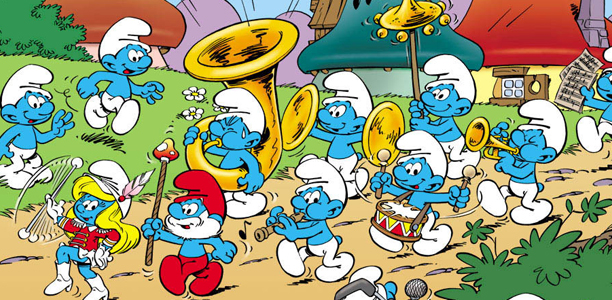
Older European cartoons unfolded more slowly. They focused on emotional continuity and gradual progression. The difference is not only style, but structure.
One is built on waiting. The other on instant access.
What cartoons used to be, and what they still are
Cartoons were never just entertainment. For children growing up in Lebanon in the early 2000s, they were emotional anchors, cultural bridges, and tools of imagination.
They existed in scarcity, which made them meaningful. They required patience, which made them memorable. They were shared, which made them collective.
Today, they exist in abundance. Always available, always replaceable.
Neither system is better or worse. But they create different childhoods.
And perhaps the real question is not what cartoons used to be, but what kind of emotional memory is formed when nothing is ever truly missed?