

Did The Simpsons predict hantavirus? Old episode fuels new online theories
A 2012 episode of The Simpsons is resurfacing online after viewers spotted eerie similarities between its fictional virus outbreak and current hantavirus discussions.



 Messenger
 Whatsapp
 Threads
 Email
Email
 Print
Print
 X
X
 Facebook
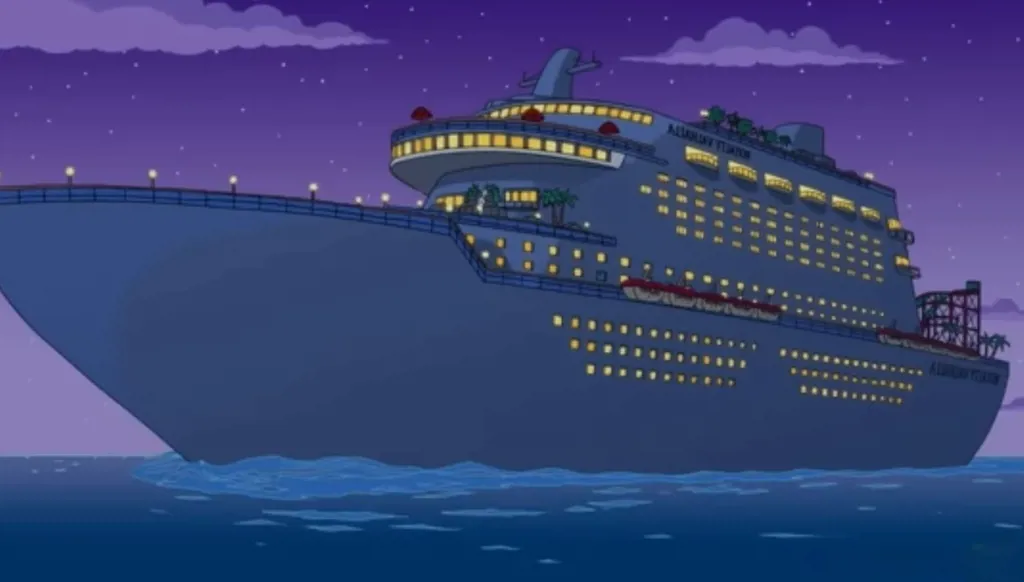


For decades, The Simpsons has fueled online speculation that the long running animated series somehow anticipated real-world events before they happened.
From references to Donald Trump becoming president to episodes viewers later linked to the COVID-19 pandemic, the show has repeatedly resurfaced during moments of global uncertainty. Now, social media users are reviving another theory, this time involving hantavirus.
The latest claims center on Season 23, Episode 19, “A Totally Fun Thing Bart Will Never Do Again,” which originally aired in 2012. In the episode, Bart Simpson falsely claims a pandemic is spreading in order to prolong his family’s cruise vacation. As the storyline unfolds, the ship becomes stranded at sea during a global health scare.
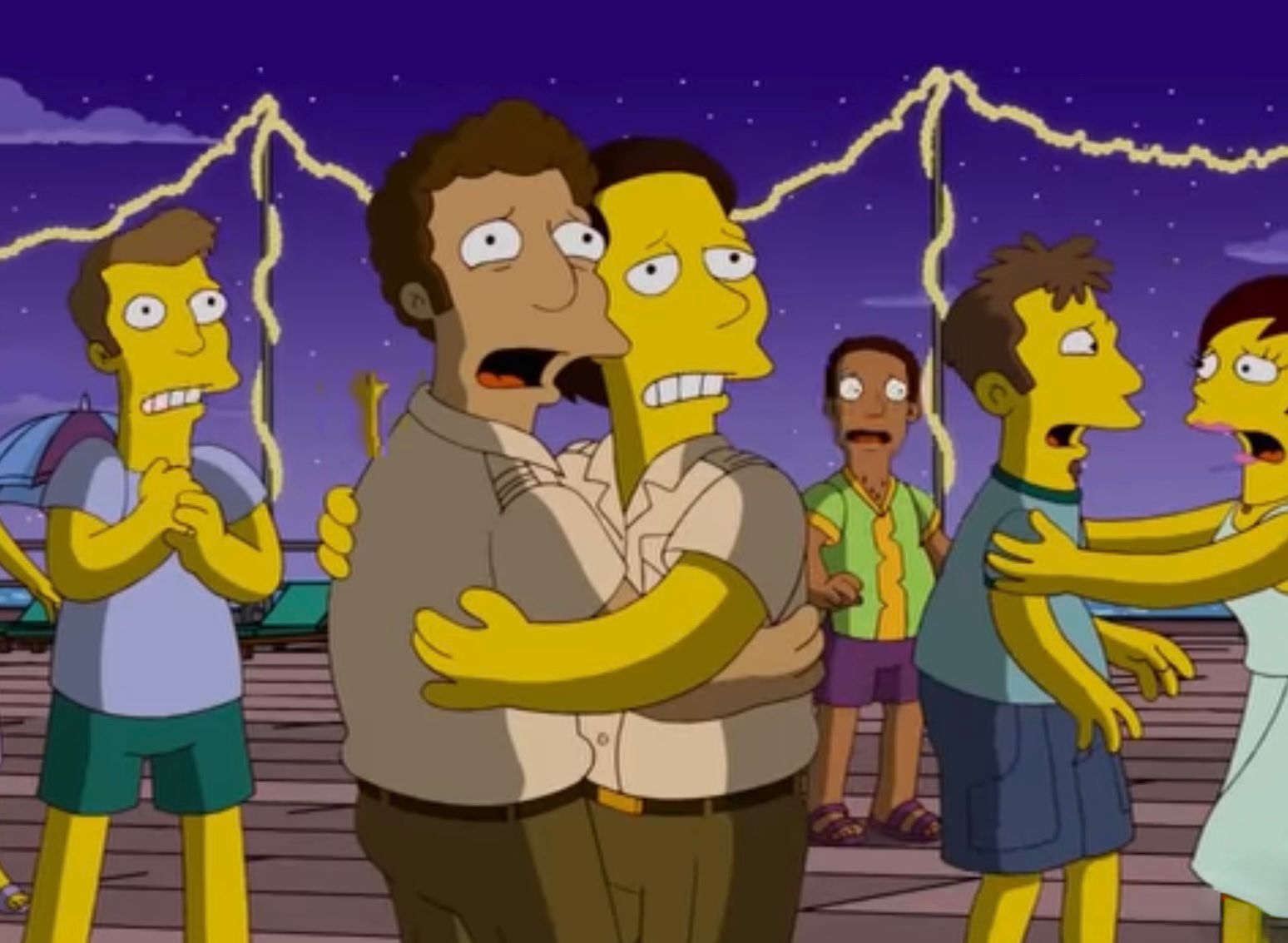
Clips from the episode have recently circulated widely online, with users pointing to scenes they believe resemble current discussions surrounding hantavirus, a rare but potentially serious disease transmitted primarily through contact with infected rodents.
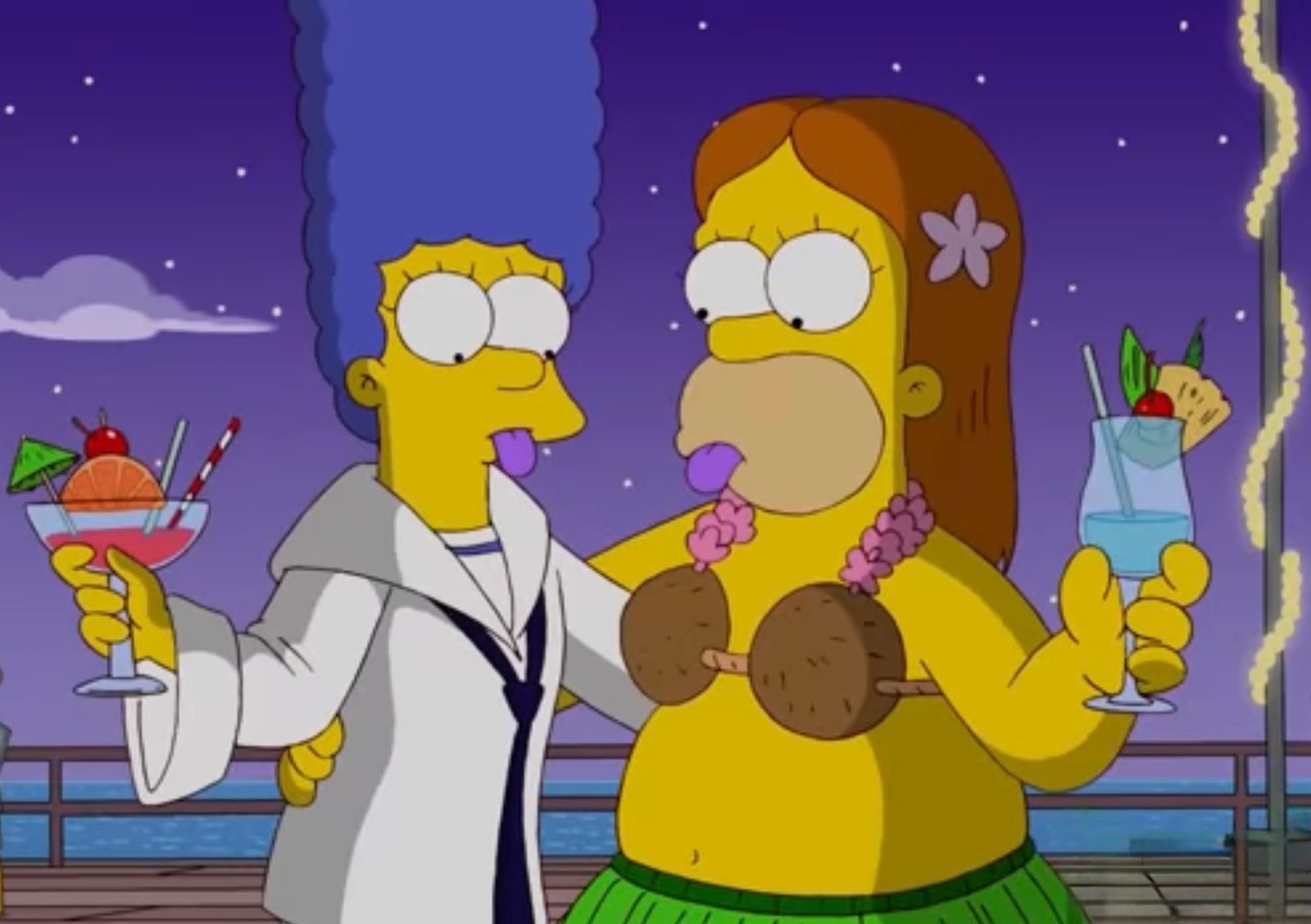
Among the similarities cited online are scenes showing isolated cruise ships, sick passengers and references to a fictional virus called “Pandoravirus.” Some users have also focused on animated depictions of tongue discoloration, comparing them to cyanosis, a bluish or purplish discoloration caused by low oxygen levels that can occur in severe respiratory illness, including advanced cases of Hantavirus Pulmonary Syndrome.
The renewed attention reflects a broader trend in which older television episodes and films are reexamined during major global events. During the COVID-19 pandemic, viewers revisited a 1993 episode of The Simpsons titled “Marge in Chains,” which featured a fictional outbreak known as the “Osaka flu.” Many online users later drew parallels between the episode’s scenes of public panic and real-life experiences during the pandemic.
Experts and longtime followers of the series have often attributed the show’s apparent “predictions” to coincidence, satire and the sheer volume of cultural and political topics covered over more than three decades on air.
Still, the theories continue to gain traction online, where viral clips and side-by-side comparisons frequently reignite debate over whether the show simply mirrors society, or somehow anticipates it.