

From Nabatieh to Beirut: How Stayha became a cultural lifeline in times of war
From Kfar Roummane to Beirut, Stayha brings its community of artists carrying music, films, poetry, stories and native herbs while creating cultural bridges between the south and the capital in a context of war and displacement.



 Messenger
 Whatsapp
 Threads
 Email
Email
 Print
Print
 X
X
 Facebook
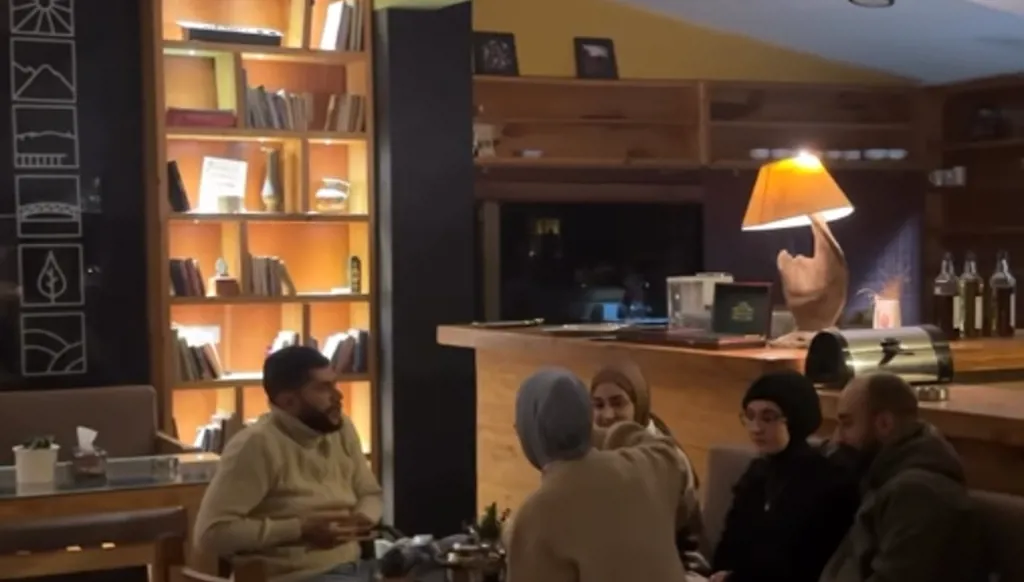
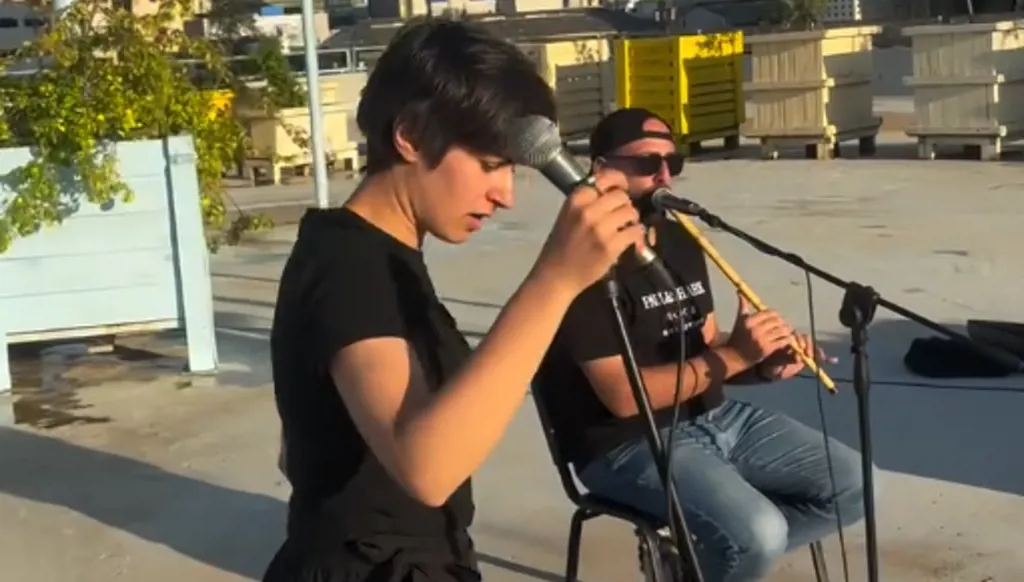
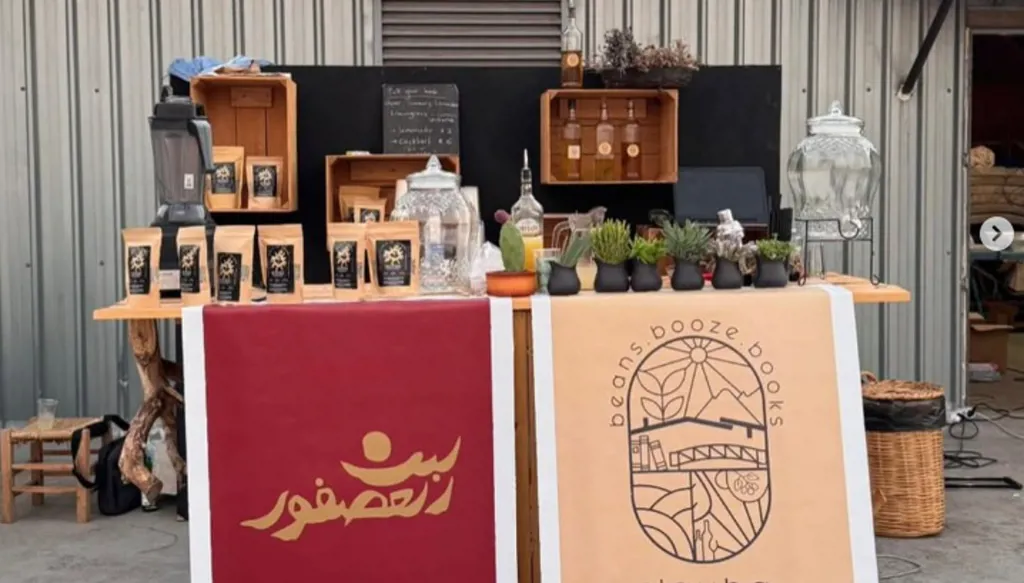
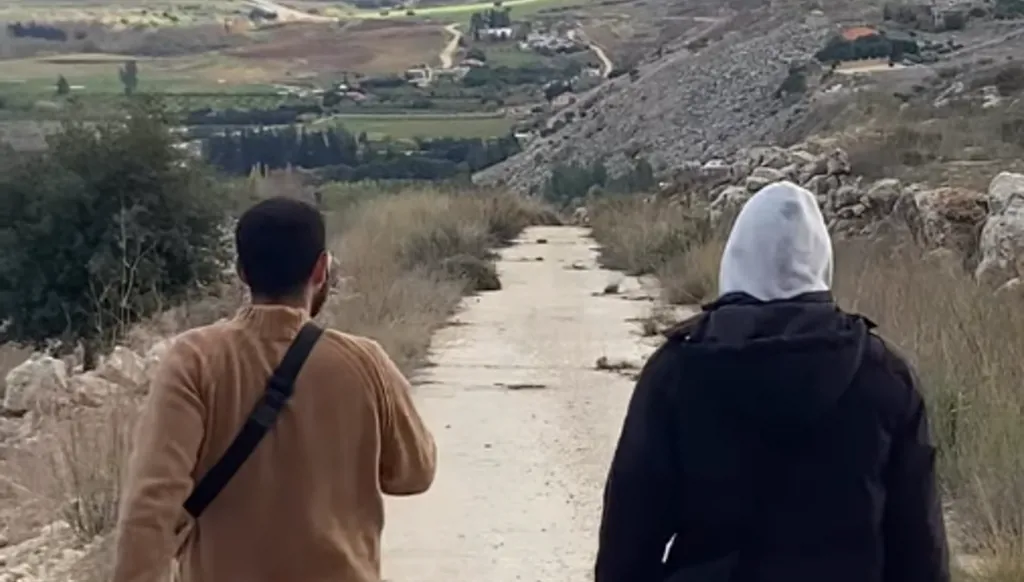
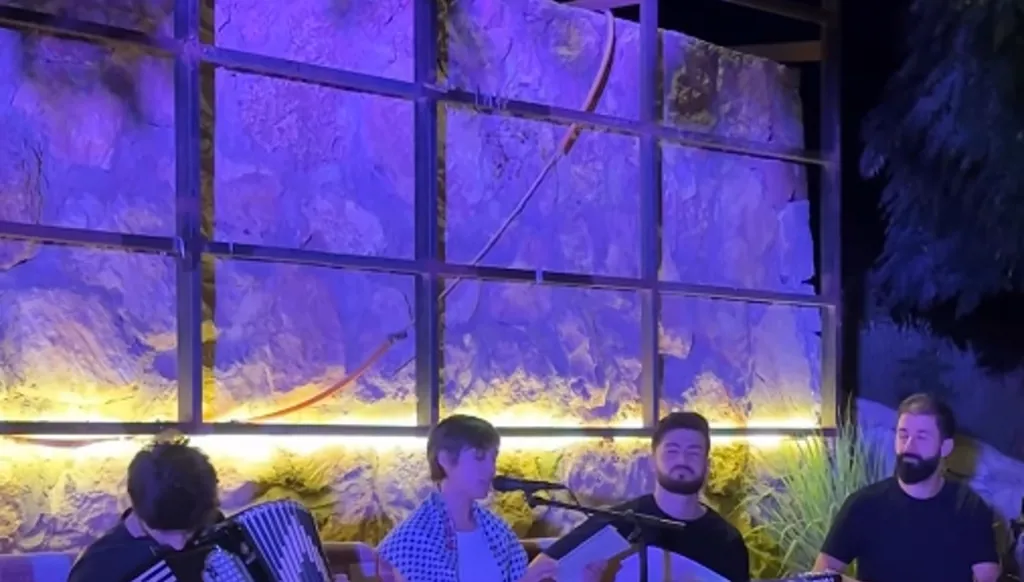
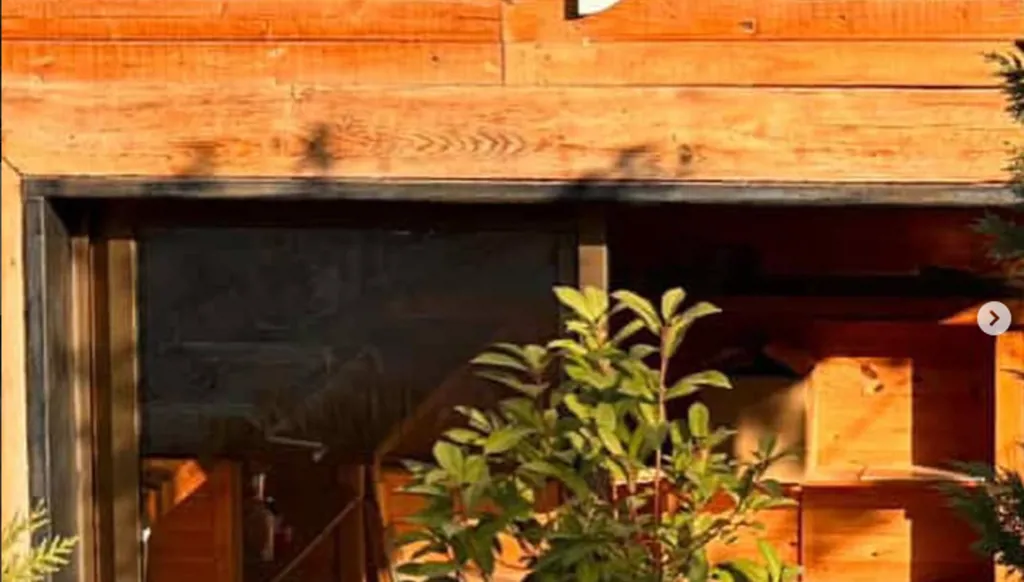
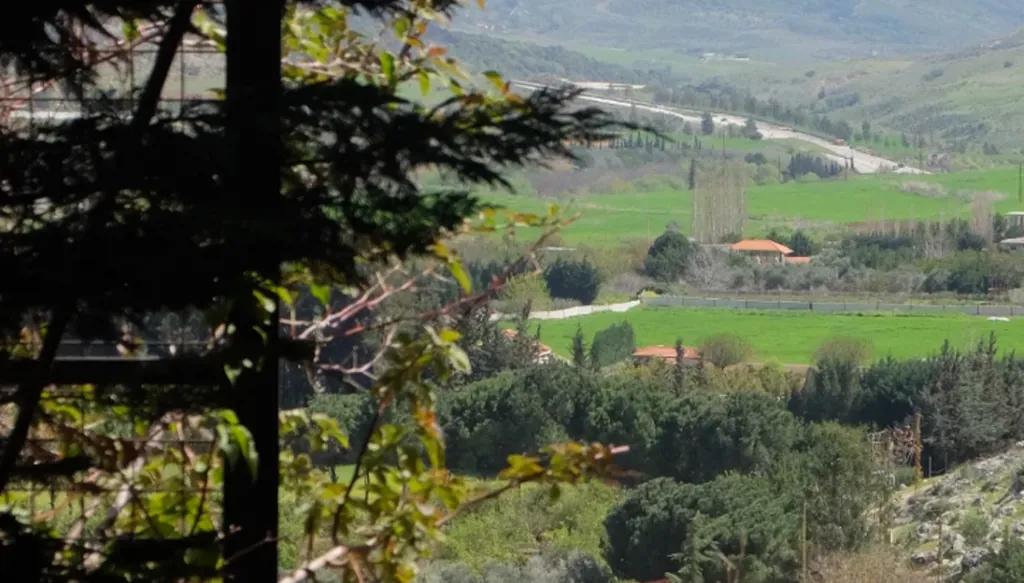


Stayha turns Beirut Art Center’s rooftop into a gathering space for artists from south Lebanon during a time of crisis, war and displacement, with live music, film screenings, poetry and workshops coming together in Beirut’s alternative scene.
The family-run cultural space was founded in 2020 to promote culture-grounded practices and emerging local artists. It quickly became a cultural hub in south Lebanon, curating regular events aimed at preserving local culture, strengthening the connection to land, and promoting local talents.
Beyond art and culture, Stayha carries inter-generational stories that reflect its identity as a family and community. The origins of the project stretch back to 2003, when Gebran’s father reclaimed his land in Nabatieh after the end of the Israeli occupation in 2000. His dream of returning to the south and moving his business there was finally within reach.
The café-restaurant he owned in Haret Hreik, Phoenicia, first burned in the 1996 war, then collapsed with the building during the 2006 Israeli bombings. Yet these losses only strengthened his determination to return south. Over the years, he rebuilt on the reclaimed family land until Phoenicia reopened in Kfar Roummane in 2017 with the same name and logo. By 2020, Gebran and his siblings had also returned to their hometown, bringing new skills and ideas.
What emerged was a family ecosystem. Drawing on his experience as a bartender, Gebran developed an artisanal bar centered on herbal infusions and syrups made from hand-picked herbs. His sister, Cyclamen, a mycologist and artist, established a mushroom farm and tattoo shop. His brother added a burger kitchen, while their parents continued the traditions of hospitality and coffee cultivation.
This collaborative effort gave life to Stayha, a name best explained by Gebran himself:
‘In 2022, after it grew significantly, I decided to rebrand the entire space. The name comes from old Lebanese architecture: a space in front of houses where people meet organically. It’s half public, half private. Every Lebanese house has a stayha. It’s the name of a porch.’
Gebran also built a library inside the community space, launched an art residency program, and in 2022, Stayha was officially established under the slogan ‘Beans, booze and books’, reflecting its holistic approach.
The space soon attracted a diverse crowd of artists and cultural practitioners. Regular concerts, poetry nights and workshops followed, and by 2023 Stayha had become one of the most dynamic cultural spaces in south Lebanon.
When the 2023 war broke out, even before it reached Nabatieh, the nature of Stayha’s projects shifted, Gebran recalls in an interview with Annahar:
‘Stayha naturally in its program started attending to what needs to be done. For example, the title of our music events, because people are dying at the border, were about healing through music and resilience through music, anything that had to do with the context.’
Soon, Gebran and his family were forced to leave their home and community space. He reached out to arts and cultural centers in Beirut and Cairo, looking for collaborations and mutual support.
He was welcomed in Cairo by ADEF (Arab Digital Expression Foundation), co-founded by a Lebanese woman from the south, Ranwa Yehia. When the 2023 war ended, Stayha reactivated several projects, started new ones, until the second war in 2026 forced Gebran and his family to leave once again:
"The second war started, I was shocked, because I’ve done investments in my own house, in the Airbnb, ready to launch the open call for the residency. I have an entire program called Pollination and I’m rebranding Stayha to "Bees, beans and books", removing the booze element entirely to represent more the production rather than the consumption. It was Stayha’s maturity."
After two months of silence, he reached out to Beirut Art Center to establish a collaboration focused on community relief, support for artists, and re-connection to the land.
Beirut Art Center embraced the collaboration and provided a space for Stayha to introduce and support its community of artists from the south, while naturally fostering new collaborations.
Stayha on the Rooftop filled the space with fruitful and meaningful gatherings, and the initiative received strong support from Beirut’s alternative scene. True to its nature, Beirut Art Center did not profit from the events, with all proceeds going directly to Stayha’s artists and community, providing relief amid displacement and crisis.