

A Ceramic for Childhood: When art becomes an act of care
Twenty-two Lebanese ceramic artists came together to celebrate the fiftieth anniversary of AFEL (The Lebanese Child Home Association), transforming creativity into a charitable initiative that supports vulnerable children.



 Messenger
 Whatsapp
 Threads
 Email
Email
 Print
Print
 X
X
 Facebook
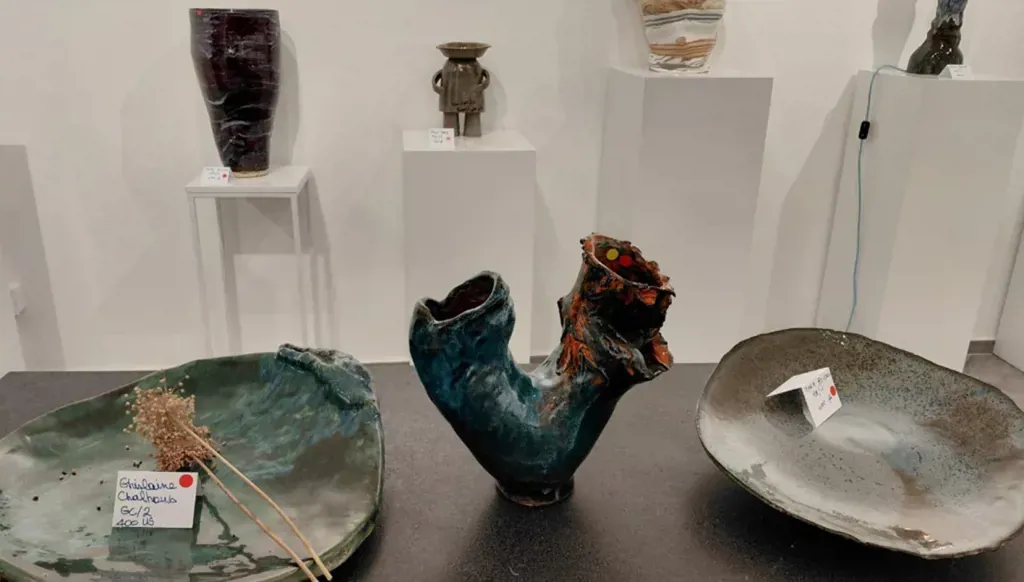


When creativity meets social responsibility, art loses its purely aesthetic isolation and becomes a partner in creating meaningful impact. With this vision, the exhibition A Ceramic for Childhood brought together twenty-two Lebanese artists to celebrate the fiftieth anniversary of AFEL (The Lebanese Child Home Association).
The charitable initiative was organized by the association’s Board of Directors under the supervision of Jacquot Ayoub and hosted by Cheriff Tabet, using ceramic art to support a humanitarian cause that extends far beyond the walls of the exhibition.
Through this initiative, art became a tool for social change. When creativity engages with the values of justice and human dignity, it transcends individual achievement and becomes a collective force that serves society.
In Lebanon, a country exhausted by successive and multifaceted crises, collaborative initiatives have emerged in an effort to help address the social and economic consequences resulting from weakened state institutions and the fragility of the economic landscape.
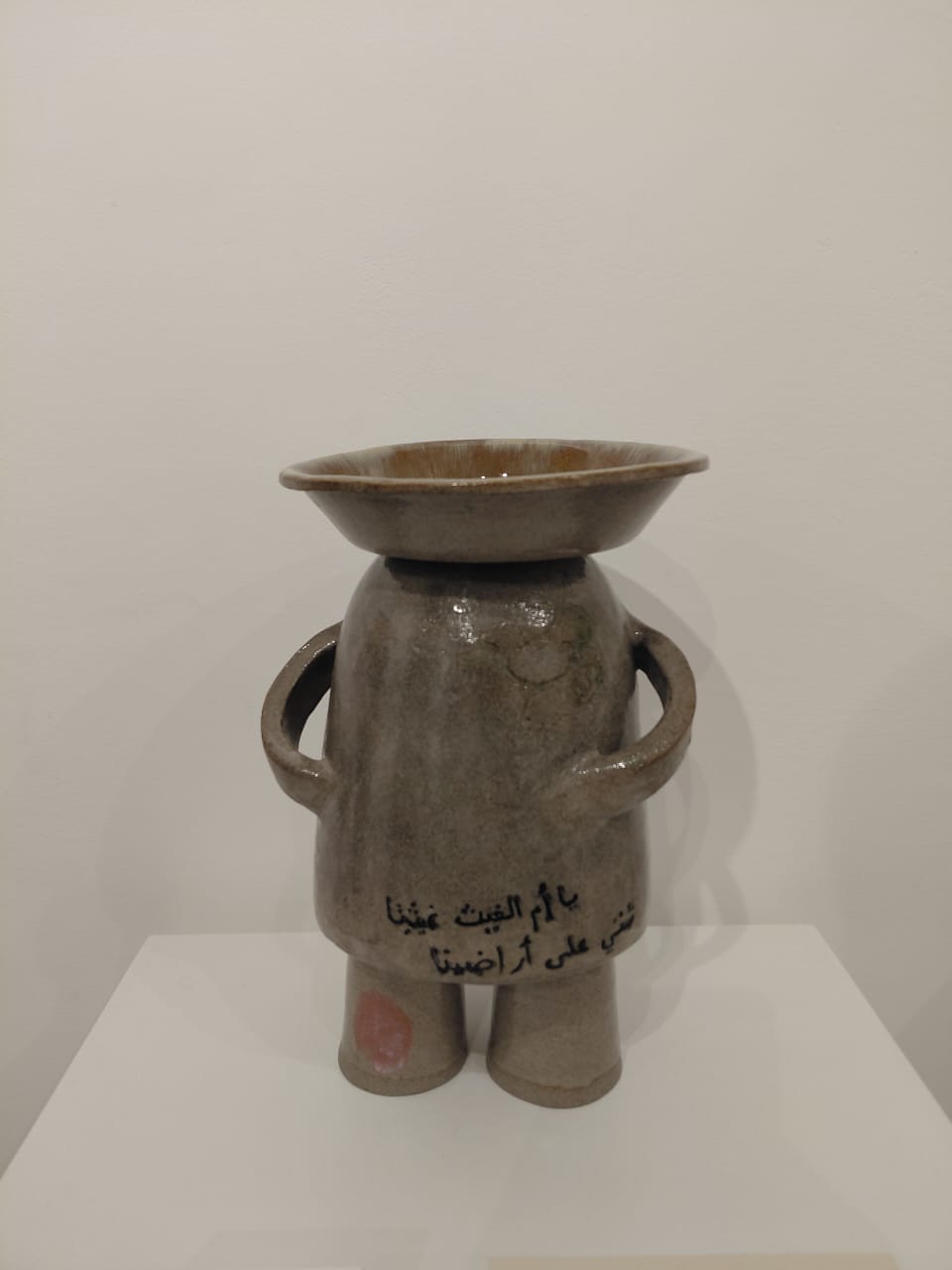
AFEL is one of the leading organizations in what is commonly known as the third sector. It was established in 1976 as a non-governmental, non-political, and secular organization dedicated to protecting children who have experienced abuse or neglect, as well as neurodivergent children.
The choice of ceramics as the artistic medium for the exhibition was far from arbitrary. By its very nature, ceramic art embodies both fragility and the capacity to be shaped, reflecting the vulnerability of childhood and the care it requires. Through this symbolism, the exhibition conveyed the association’s mission of protecting children in the face of an economic, social, and institutional reality marked by significant challenges.
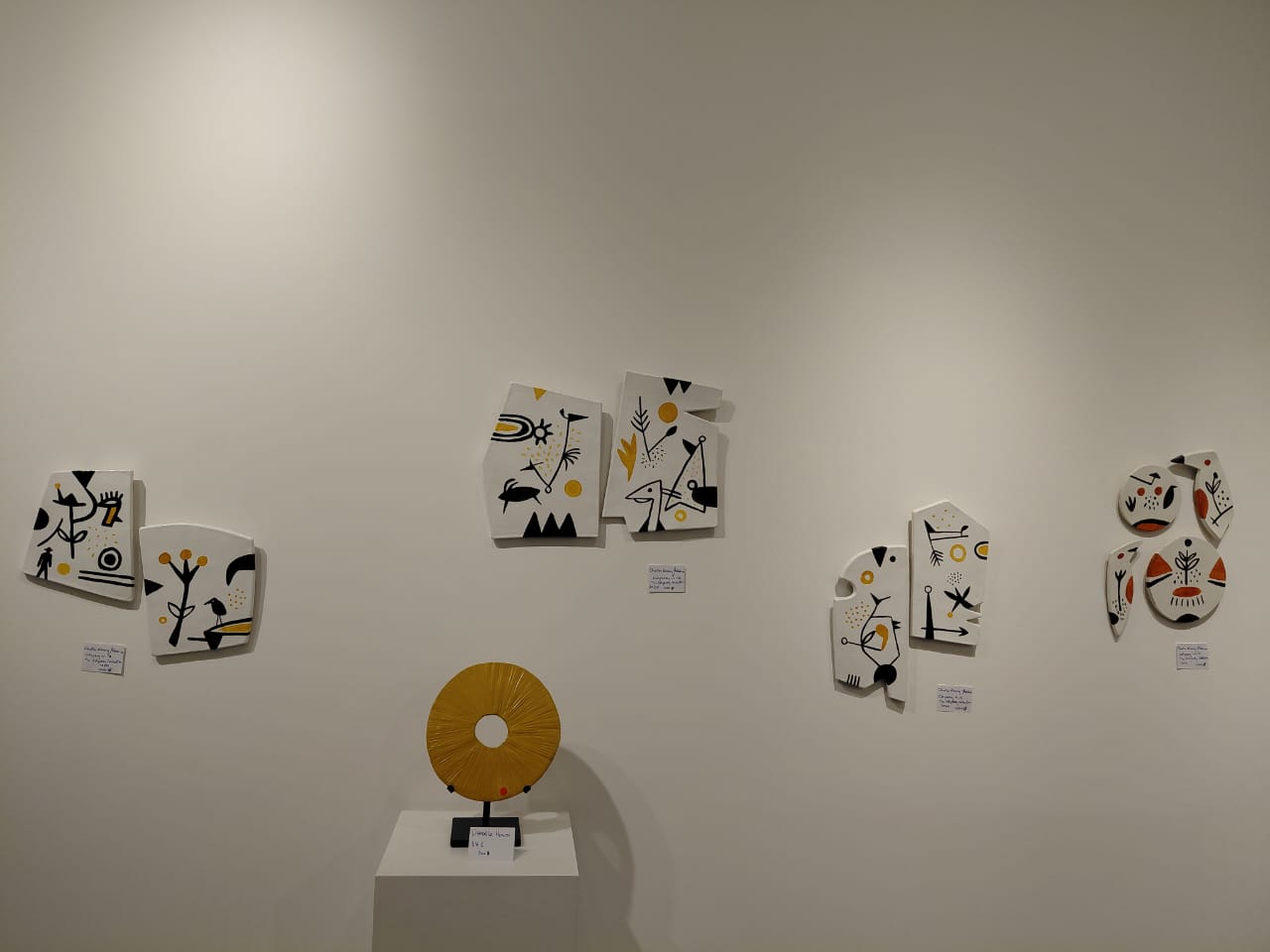
Ceramic artists from different generations and artistic backgrounds came together around a shared goal: to help protect and support children, because, as the organizers put it, "Childhood should never be something we have to recover from."
Inspired by this belief, artists including Rana Yazigi, Charles Khoury, Imane Asmar, and Rola Afif contributed works reflecting a wide range of styles and techniques. Despite their artistic diversity, their creations were united by a common message and purpose, demonstrating that a single medium can embrace multiple artistic visions while serving a shared humanitarian cause.
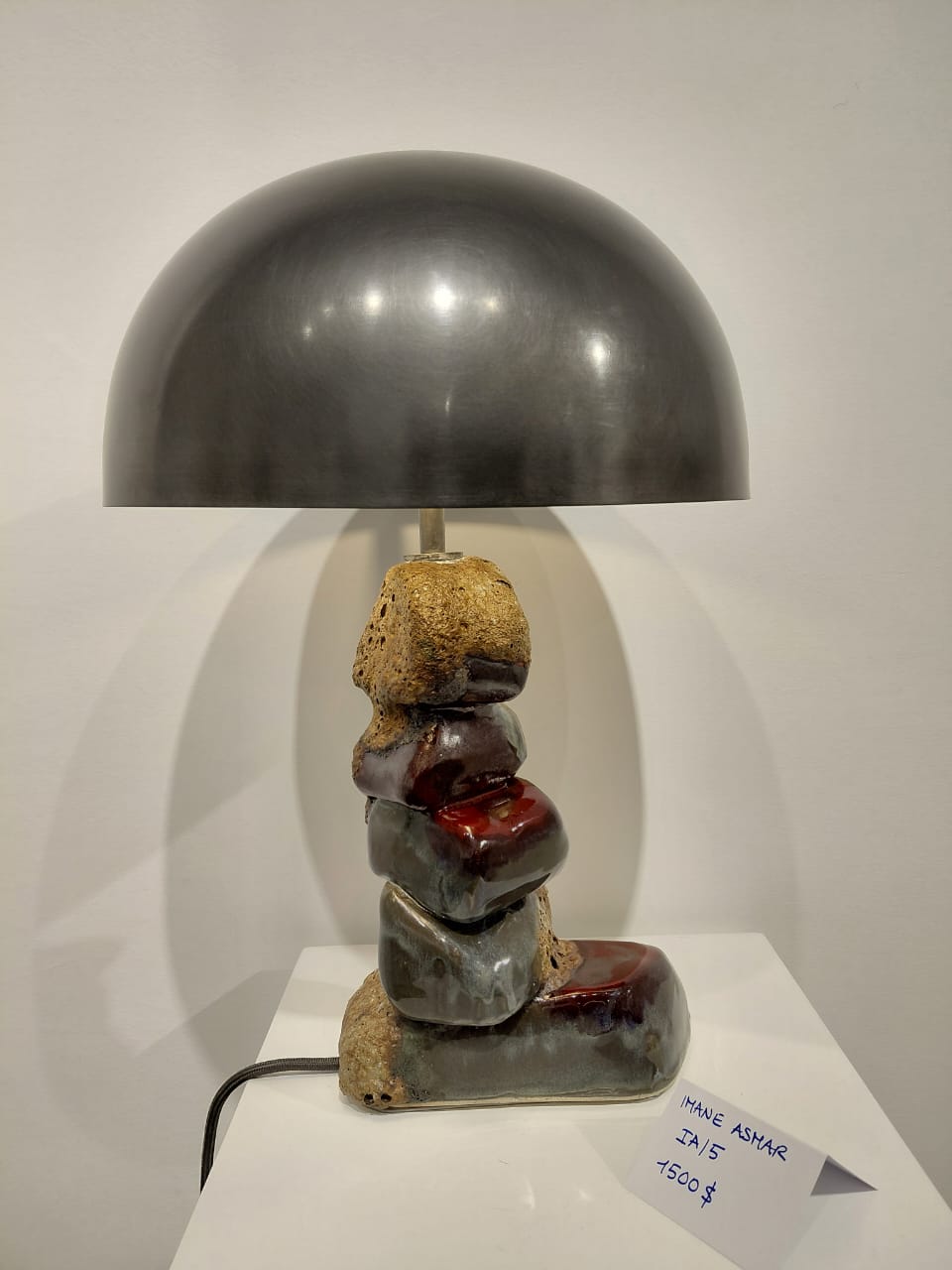
Everyone who acquired one of the ceramic pieces received a card bearing a message affirming that their contribution had become part of a chain of support reaching children in need. It read: "Just like childhood, the hands that mold it decide its fate, its beauty, its resilience. By acquiring this ceramic, you have chosen to be those hands."
In this way, the ceramic pieces came to represent far more than works of art. They became symbols of shared responsibility and lasting reminders that individual initiatives, however small they may seem, can collectively make a meaningful difference in the lives of others and open a window of hope for the children who need it most.