

Mahlagha Jaberi: The War in Iran Could Become a Turning Point for Freedom
Iranian model Mahlagha Jaberi says the war in Iran is both deeply personal and potentially historic, expressing hope that mounting pressure on the regime could open the door to freedom for the Iranian people.



 Messenger
 Whatsapp
 Threads
 Email
Email
 Print
Print
 X
X
 Facebook
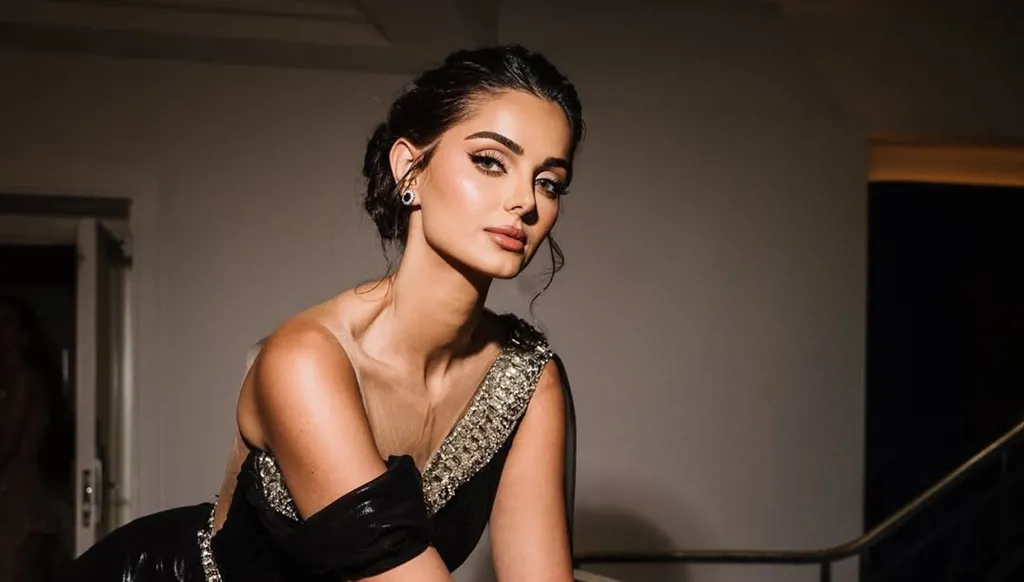

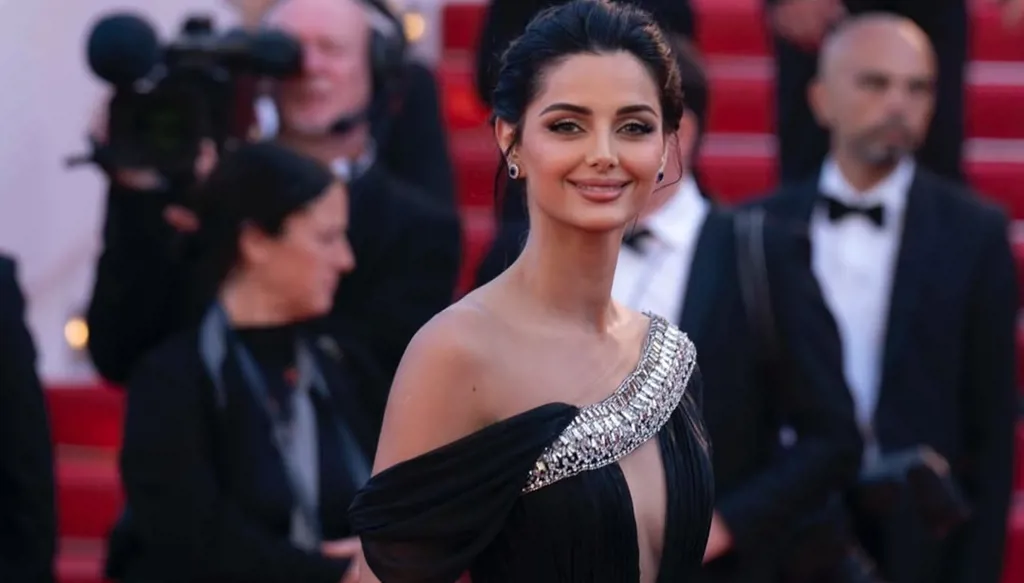
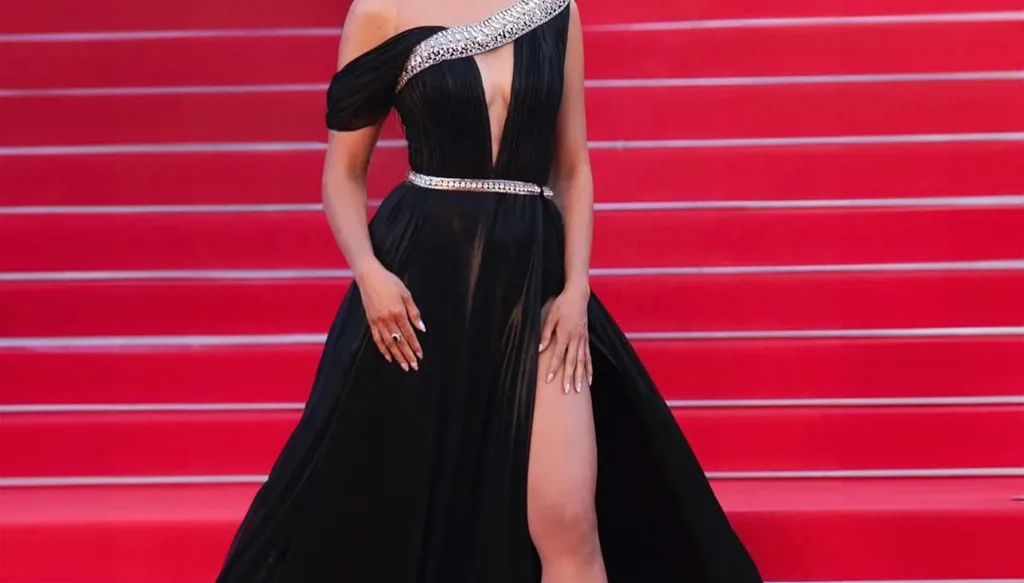
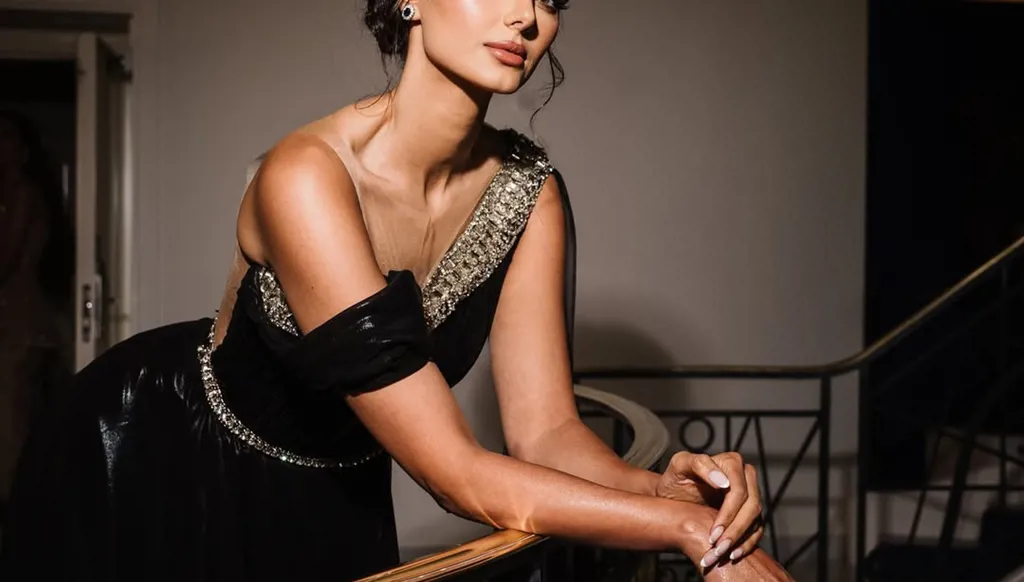


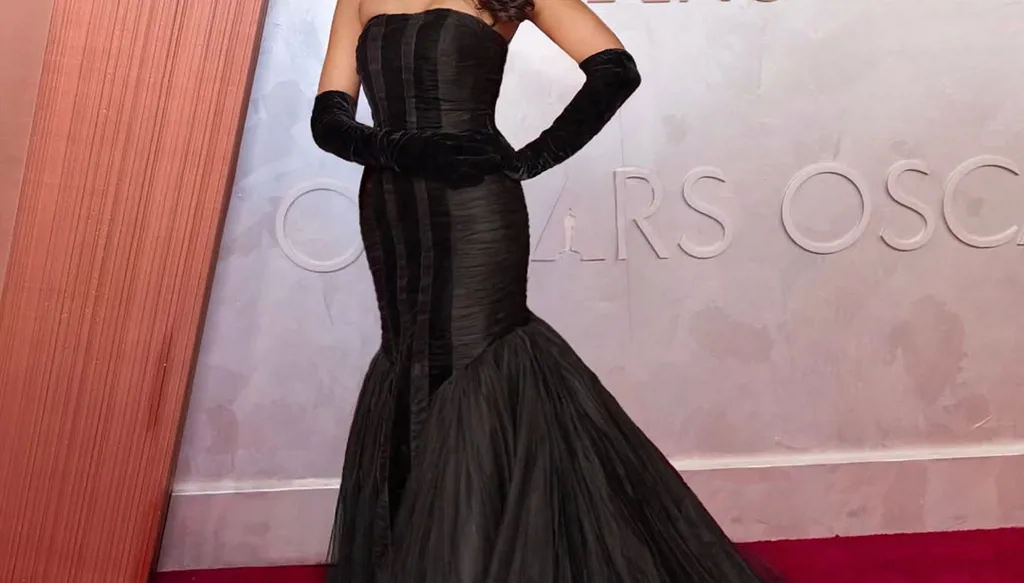
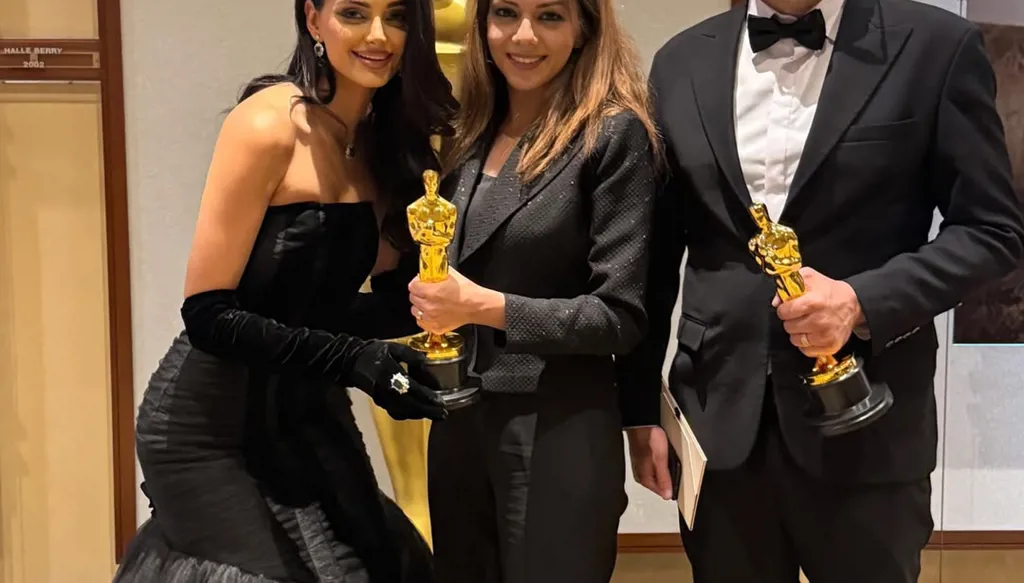



Iranian model and activist Mahlagha Jaberi says she has been following the war in Iran “minute by minute,” describing the emotional toll of watching her homeland endure both military strikes and decades of political repression while expressing hope that the current foreign intervention could mark a turning point for regime change in the country.
In an interview with Annahar, Jaberi said the unfolding conflict is not a distant geopolitical event for her but a deeply personal one, as family members, friends and people she grew up with remain inside Iran.
“I’m following the situation through independent sources and direct messages from people on the ground,” she said, explaining that every development carries emotional weight.
According to Jaberi, the war has intensified a long-standing sense among many Iranians that regime change is urgently needed. She described the past 47 years under the current system as marked by repression, instability and violence, adding that the regime’s pursuit of nuclear weapons and long-range missile programs has raised concerns not only for Iranians but also for regional and global security.
“By targeting regime’s military and secure sights, she said many Iranians are now more hopeful that the current intervention could open a path toward a different future or anything but current regime. “
A potential turning point
Jaberi believes the war could represent a critical moment in Iran’s modern history, arguing that the question of Iran’s future extends beyond domestic politics to broader regional stability.
She pointed to the Islamic Republic’s involvement in regional conflicts through militias and allied groups in countries such as Lebanon, Yemen, Syria and Iraq, saying the consequences of those policies have been felt far beyond Iran’s borders.
For Jaberi, liberation would not come solely through military pressure but through a combination of internal unity and international recognition of the Iranian people’s aspirations.
“History shows that turning points often come during moments of extreme pressure,” she said, adding that political, economic or military strain can amplify the voice of a population seeking change.
At the same time, she acknowledged that many Iranians remain united over the war and its possible consequences, even as some believe outside intervention would accelerate the collapse of the current system.
Using her platform
With millions of followers on social media, Jaberi says she feels responsible to use her platform to amplify voices from inside Iran rather than shape the narrative herself.
She said she shares verified information, firsthand accounts and credible sources while encouraging open discussion among followers.
“My responsibility is to amplify what people inside Iran are saying and demanding,” she explained, stressing the importance of distinguishing between the Iranian population and those in power.
Solidarity, she said, also includes staying in contact with people inside the country, offering emotional support and ensuring that the international community continues to pay attention to what Iranians are experiencing.
A message to Iranians living through the war
Jaberi said the situation inside Iran has created a profound sense of desperation among many citizens who have lived under severe restrictions for decades.
According to her, some Iranians fear the possibility that the current system could survive the conflict even more than they fear the airstrikes themselves.
She urged civilians to prioritize their safety and follow guidance meant to protect them during military operations.
“You are not alone,” she said, addressing both Iranians and neighboring countries affected by the escalation. “The world sees you, and the Iranian diaspora is working tirelessly to carry your voices outside of Iran.”
Speaking to the next generation
If she could speak to a young girl in Iran experiencing the bombings and repression, Jaberi said her message would be one of resilience.
“You are stronger than you know,” she said. “This darkness is not permanent.”
She emphasized that young Iranians deserve a future defined by education, freedom and peace, adding that one day their stories will be remembered not for fear but for survival and strength.
A future return
For Jaberi, returning to Iran remains tied to the prospect of fundamental regime change, and the return of Prince Reza Pahlavi as transitional leader in Iran “
She said she would go back “the moment Iran becomes a country where people can speak freely without fear,” describing a vision of a state where elections are genuine, women are not controlled and citizens are not persecuted for their beliefs.
Until then, she says, her focus remains on supporting Iranians both inside and outside the country.
What gives her hope
Despite the turmoil, Jaberi said her optimism comes from the resilience of the Iranian people themselves.
She highlighted the courage of women, the determination of the younger generation and the growing sense of unity among Iranians at home and abroad.
“Hope lives in the Iranian people,” she said. “And that is something no regime and no bomb can destroy.”