

Lifestyle
11-12-2025 | 15:24
Mourning across cultures: How peoples commemorate their departed
A journey through global funerary traditions reveals how cultures across the world honor the dead in ways that reflect their deepest spiritual, social, and historical values.




 Messenger
 Whatsapp
 Threads
 Email
Email
 Print
Print
 X
X
 Facebook
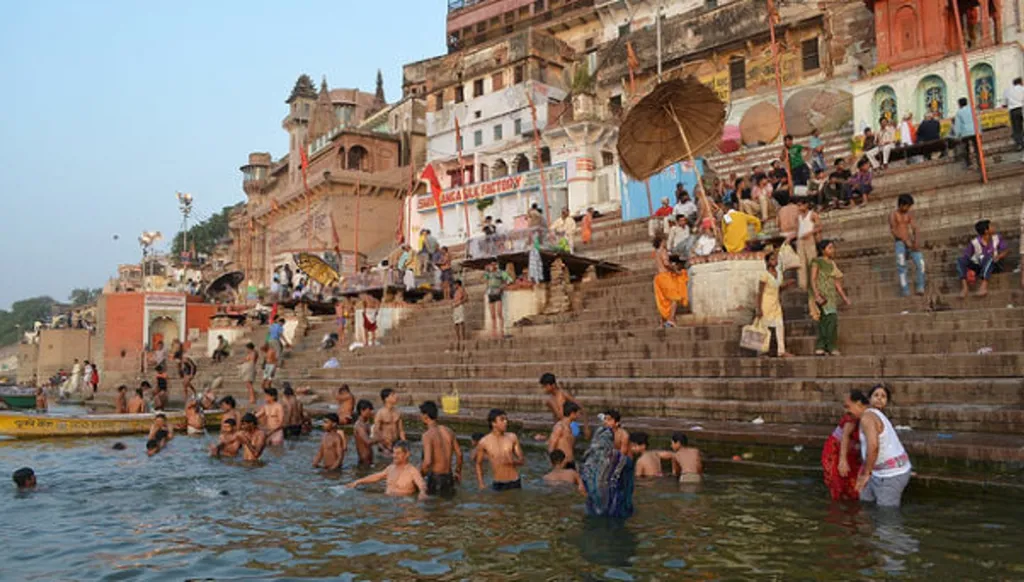
The Ganges river (flickr)


Although death is the one constant of human existence, societies respond to it in many different ways. Around the world, burial and mourning rituals vary widely, each shaped by layers of history, belief systems, and inherited cultural memory. Every society has developed its own way of honoring the dead and processing loss, creating traditions that offer insights into the values and perspectives of the living.
In this article, we explore some of the most notable funerary and mourning practices around the globe, with a particular focus on customs in the Arab world and Turkey. We also examine the cultural, religious, and social foundations that give these rituals their meaning.
In the Arab world, funeral practices are largely shaped by Islamic tradition. The rites begin immediately after death, with the washing and shrouding of the body in simple white cloth, followed by the funeral prayer and burial, which typically occur without delay. This urgency reflects religious guidance encouraging swift burial and the belief that the body should return to the earth as soon as possible.
Arab Countries: Mourning Announcements and Condolence Gatherings
Across many Arab countries—particularly Egypt, Lebanon, and Jordan—the news of a death is often announced through mosque loudspeakers or via printed obituaries displayed in public spaces. Condolence gatherings are then held, where Qur’anic verses are recited and mourners offer their sympathies to the family. Bitter coffee is traditionally served, symbolizing sorrow, while sweets are avoided to withhold all forms of joy during the mourning period.
Rural Levant: Funerals Accompanied by Gunfire
In certain rural areas of the Levant, funerals may still be accompanied by gunfire, either as an expression of profound grief or as a symbolic gesture honoring the deceased, especially if they were a respected or influential member of the community.
Morocco: Sadaqa and Charitable Offerings
In Morocco, the dead are honored through the tradition of sadaqa, the offering of food to mourners and the poor in the name of the departed. Families believe these charitable acts bring mercy upon the deceased and elevate their spiritual standing. This ritual is repeated after three days, forty days, and on the one-year anniversary, each interval marking a symbolic milestone in the soul’s journey.
Algeria: Bread, Dates, and Grave Visits
In parts of Algeria, families distribute pieces of bread and dates in the cemetery—gestures reflecting solidarity, blessing, and communal support. Relatives also make weekly visits to the graves, carrying flowers and water in a practice that blends remembrance with prayer, keeping the bond with the departed alive through ritual and reverence.
Turkey: Symbolic Gestures of Mourning
In Turkey, certain mourning practices carry symbolic meaning that reflect both absence and remembrance. Placing the shoes of the deceased at the doorstep is a notable custom, a gentle way of acknowledging that their final journey has begun, with an everyday object that once accompanied them now marking their final departure.
Turkey: The “Night of the Soul” Vigil
In some regions, families hold the “night of the soul,”, during which candles are lit and prayers are recited until dawn. The vigil is meant to accompany the spirit with light and supplication as it transitions to the next world. Following the funeral, guests are traditionally offered sweets and pieces of dried bread—a ritual signifying communal participation in grief, mercy, and prayer for the departed.
Across the world, diverse and striking rituals reveal how different societies understand and cope with death—each shaped by deep-rooted philosophies, spiritual beliefs, and cultural memory.
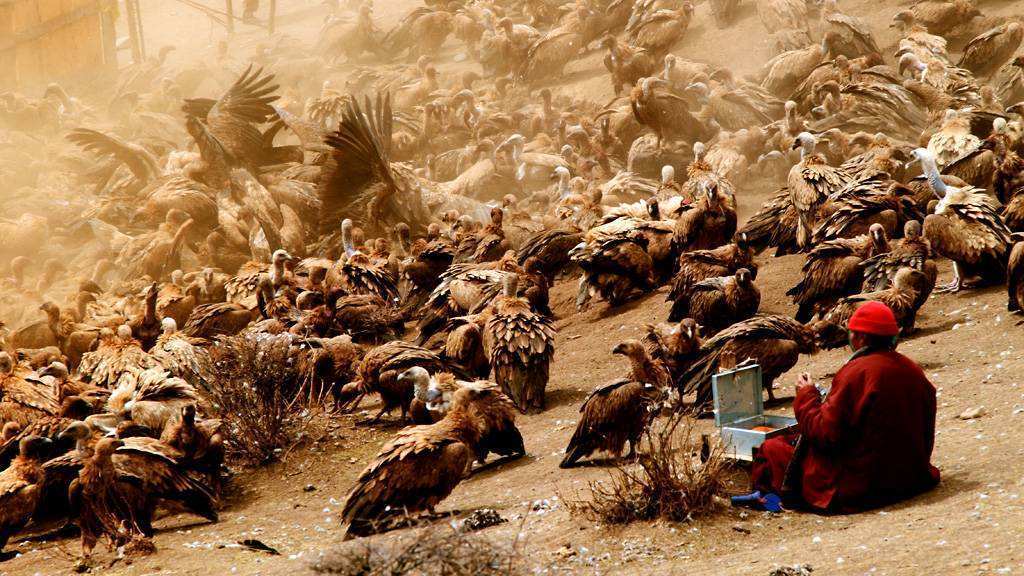
Tibet: Sky Burial
Tibetans practice sky burial, offering the body to birds of prey such as vultures. This ritual is seen as a way of returning the deceased to nature and completing the cycle of life.
China: Hanging Coffins in Guizhou
In China’s Guizhou province, the Bu people follow the tradition of hanging coffins. Wooden caskets are placed along mountain cliffs or secured in high rock crevices. This elevated resting place is believed to bring good fortune to the living, protect the bodies from animals, and create a symbolic path for the soul’s return.
India: Cremation on the Ganges
In India, cremation along the banks of the Ganges remains a sacred ritual. Rooted in the belief that burning the body liberates the soul, this practice allows it to move on to its next spiritual stage.
Madagascar – Famadihana
In Madagascar, families take part in the Famadihana ceremony, during which the dead are removed from their tombs, wrapped in fresh shrouds, and carried in celebratory dances. The ritual reinforces the bond between the living and their ancestors, reflecting a cultural belief that the spirits of the departed remain active members of the family.
South Korea – Turning Ashes into Glass
In South Korea, some families choose to transform the ashes of their loved ones into colored glass beads kept inside the home. This modern practice, which emerged as an alternative to traditional burials amid limited cemetery space, has grown into an artistic, visually expressive way of honoring the deceased.
Papua New Guinea – The Presence of Ancestral Spirits
In parts of Papua New Guinea, certain tribes preserve the bodies of the deceased inside their homes for extended periods, treating them as protective ancestral spirits. The practice embodies a profound spiritual connection in which the dead continue to watch over and guide the living.
Ghana: Coffins Reflecting Life
In Ghana, coffins are crafted in unusual shapes that reflect the deceased’s profession or passion—like a fish for a fisherman or an airplane for a pilot. This creative approach celebrates the life of the departed and honors them in a visually striking way.
Nepal: Funeral Processions and Sacred Rivers
In Nepal, the deceased are carried on decorated stretchers in a ceremonial procession accompanied by singing. The body is then cremated in a sacred river, marking its spiritual passage to the next world.
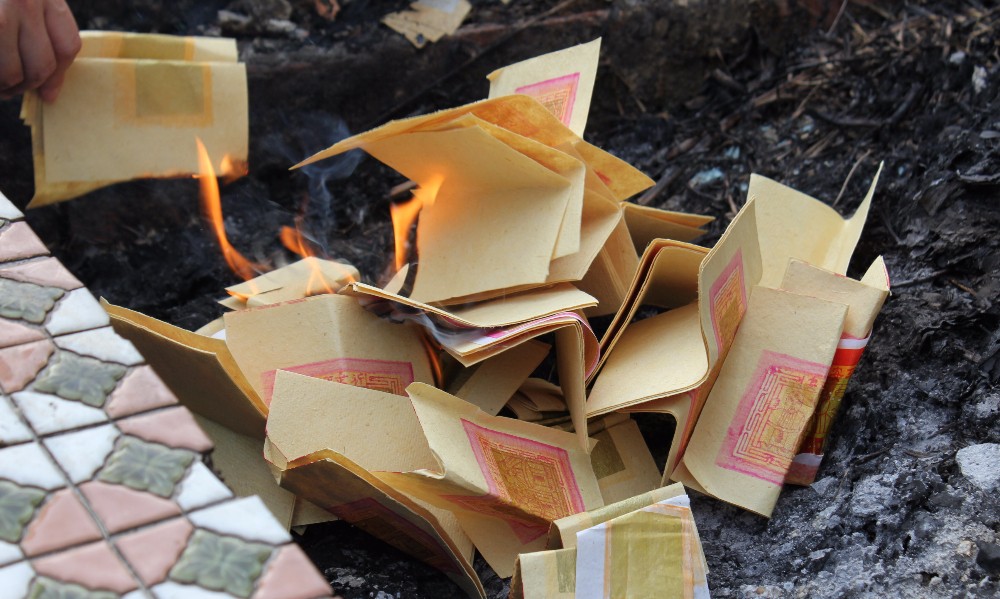
China: Burning Paper Money
In China, people burn paper money during funerals as an offering for the deceased. It is believed these “funds” will help them pay for their journey into the afterlife. This tradition dates back to ancient times when actual coins were buried with the dead for the same purpose.
Poland: Church Funerals and Social Consolation
In Poland, funerals are held in churches, with coffins decorated with flowers. Participants often share a meal at the deceased’s home, part of a social tradition meant to honor the deceased and console the family.
Philippines: Burials and Hanging Coffins
Funeral traditions vary across the Philippines. Some communities bury the dead inside or beneath their homes, while others hang coffins in caves or on mountains, symbolizing closeness to the sky.
Indonesia: The “Ma’nini” Ceremony
Among the Toraja people of Indonesia, the “Ma’nini” ritual is observed annually. The deceased is exhumed, dressed in new clothes, and displayed in the home to honor their memory and preserve spiritual traditions.
In this article, we explore some of the most notable funerary and mourning practices around the globe, with a particular focus on customs in the Arab world and Turkey. We also examine the cultural, religious, and social foundations that give these rituals their meaning.
In the Arab world, funeral practices are largely shaped by Islamic tradition. The rites begin immediately after death, with the washing and shrouding of the body in simple white cloth, followed by the funeral prayer and burial, which typically occur without delay. This urgency reflects religious guidance encouraging swift burial and the belief that the body should return to the earth as soon as possible.
Arab Countries: Mourning Announcements and Condolence Gatherings
Across many Arab countries—particularly Egypt, Lebanon, and Jordan—the news of a death is often announced through mosque loudspeakers or via printed obituaries displayed in public spaces. Condolence gatherings are then held, where Qur’anic verses are recited and mourners offer their sympathies to the family. Bitter coffee is traditionally served, symbolizing sorrow, while sweets are avoided to withhold all forms of joy during the mourning period.
Rural Levant: Funerals Accompanied by Gunfire
In certain rural areas of the Levant, funerals may still be accompanied by gunfire, either as an expression of profound grief or as a symbolic gesture honoring the deceased, especially if they were a respected or influential member of the community.
Morocco: Sadaqa and Charitable Offerings
In Morocco, the dead are honored through the tradition of sadaqa, the offering of food to mourners and the poor in the name of the departed. Families believe these charitable acts bring mercy upon the deceased and elevate their spiritual standing. This ritual is repeated after three days, forty days, and on the one-year anniversary, each interval marking a symbolic milestone in the soul’s journey.
Algeria: Bread, Dates, and Grave Visits
In parts of Algeria, families distribute pieces of bread and dates in the cemetery—gestures reflecting solidarity, blessing, and communal support. Relatives also make weekly visits to the graves, carrying flowers and water in a practice that blends remembrance with prayer, keeping the bond with the departed alive through ritual and reverence.
Turkey: Symbolic Gestures of Mourning
In Turkey, certain mourning practices carry symbolic meaning that reflect both absence and remembrance. Placing the shoes of the deceased at the doorstep is a notable custom, a gentle way of acknowledging that their final journey has begun, with an everyday object that once accompanied them now marking their final departure.
Turkey: The “Night of the Soul” Vigil
In some regions, families hold the “night of the soul,”, during which candles are lit and prayers are recited until dawn. The vigil is meant to accompany the spirit with light and supplication as it transitions to the next world. Following the funeral, guests are traditionally offered sweets and pieces of dried bread—a ritual signifying communal participation in grief, mercy, and prayer for the departed.
Across the world, diverse and striking rituals reveal how different societies understand and cope with death—each shaped by deep-rooted philosophies, spiritual beliefs, and cultural memory.
Tibet: Sky Burial
Tibetans practice sky burial, offering the body to birds of prey such as vultures. This ritual is seen as a way of returning the deceased to nature and completing the cycle of life.
China: Hanging Coffins in Guizhou
In China’s Guizhou province, the Bu people follow the tradition of hanging coffins. Wooden caskets are placed along mountain cliffs or secured in high rock crevices. This elevated resting place is believed to bring good fortune to the living, protect the bodies from animals, and create a symbolic path for the soul’s return.
India: Cremation on the Ganges
In India, cremation along the banks of the Ganges remains a sacred ritual. Rooted in the belief that burning the body liberates the soul, this practice allows it to move on to its next spiritual stage.
Madagascar – Famadihana
In Madagascar, families take part in the Famadihana ceremony, during which the dead are removed from their tombs, wrapped in fresh shrouds, and carried in celebratory dances. The ritual reinforces the bond between the living and their ancestors, reflecting a cultural belief that the spirits of the departed remain active members of the family.
South Korea – Turning Ashes into Glass
In South Korea, some families choose to transform the ashes of their loved ones into colored glass beads kept inside the home. This modern practice, which emerged as an alternative to traditional burials amid limited cemetery space, has grown into an artistic, visually expressive way of honoring the deceased.
Papua New Guinea – The Presence of Ancestral Spirits
In parts of Papua New Guinea, certain tribes preserve the bodies of the deceased inside their homes for extended periods, treating them as protective ancestral spirits. The practice embodies a profound spiritual connection in which the dead continue to watch over and guide the living.
Ghana: Coffins Reflecting Life
In Ghana, coffins are crafted in unusual shapes that reflect the deceased’s profession or passion—like a fish for a fisherman or an airplane for a pilot. This creative approach celebrates the life of the departed and honors them in a visually striking way.
Nepal: Funeral Processions and Sacred Rivers
In Nepal, the deceased are carried on decorated stretchers in a ceremonial procession accompanied by singing. The body is then cremated in a sacred river, marking its spiritual passage to the next world.
China: Burning Paper Money
In China, people burn paper money during funerals as an offering for the deceased. It is believed these “funds” will help them pay for their journey into the afterlife. This tradition dates back to ancient times when actual coins were buried with the dead for the same purpose.
Poland: Church Funerals and Social Consolation
In Poland, funerals are held in churches, with coffins decorated with flowers. Participants often share a meal at the deceased’s home, part of a social tradition meant to honor the deceased and console the family.
Philippines: Burials and Hanging Coffins
Funeral traditions vary across the Philippines. Some communities bury the dead inside or beneath their homes, while others hang coffins in caves or on mountains, symbolizing closeness to the sky.
Indonesia: The “Ma’nini” Ceremony
Among the Toraja people of Indonesia, the “Ma’nini” ritual is observed annually. The deceased is exhumed, dressed in new clothes, and displayed in the home to honor their memory and preserve spiritual traditions.