

From 500 Fighters to a Global Network: Rethinking the Results of the War on Terror
According to a report, the number of Al-Qaeda fighters has increased dozens of times after 25 years of war on terror. However, there are more alarming estimates beyond the numerical increase.




 Messenger
 Whatsapp
 Threads
 Email
Email
 Print
Print
 X
X
 Facebook



Last week's UN report was alarming but also perplexing. How could a quarter-century-long war on terrorism leave Al-Qaeda and its branches larger than they were before the war started?
According to a UN monitoring group, Al-Qaeda now includes about 25,000 potential fighters worldwide, whereas the number was around 500 before September 11, 2001. This is a conservative estimate and does not include ISIS fighters according to the report.
The Number Puzzle
There is no doubt that the ability to monitor terrorists is greater today than it was 25 years ago. In other words, if those who took charge of counterterrorism two and a half decades ago had the current monitoring capabilities, they would likely have been able to count far more than 500 fighters in the organization.
Calculating the actual number of terrorists, according to terrorism analyst Kyle Orton, is problematic. After referring to the 9/11 Commission's estimate of up to 5,000 core Al-Qaeda fighters and the 20,000 maximum trainees in its Afghan camps (1996-2001), Orton asks: "Are they counted as part of Al-Qaeda? How is the distinction made? It's simply open to interpretation".
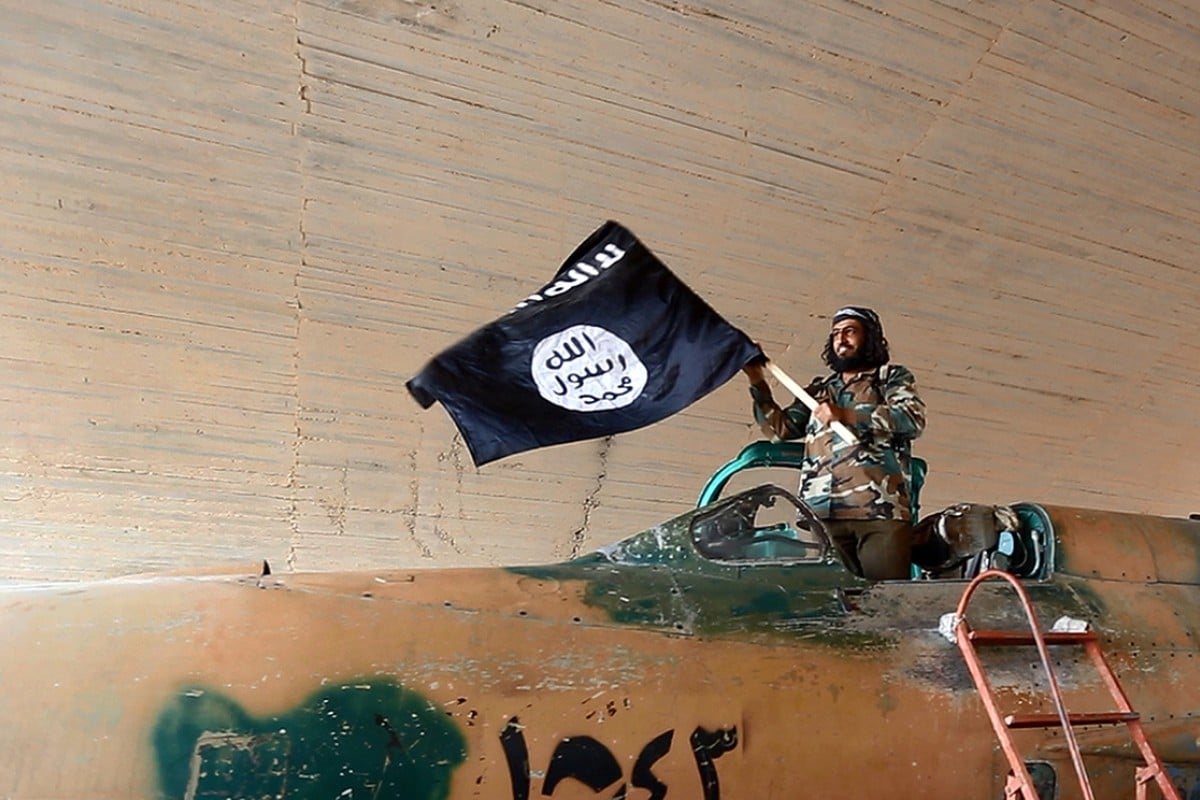
It is difficult to gauge the threat of Al-Qaeda solely by counting its potential recruits. According to the "Global Terrorism Index" released in March 2025, the number of countries that experienced terrorist attacks increased from 58 in 2023 to 66 in 2024. However, the total number of attacks decreased by about 3%, and their victims by about 13%. Thus, there is no necessary (or even inverse) correlation between the number of terrorists and terrorist attacks and victims.
In a conversation with the "Council on Foreign Relations" (September 2025), terrorism experts Bruce Hoffman and Farah Pandith said the United States had killed or captured "more than three-quarters of Al-Qaeda's leaders or fighters," freeing about 50 million people from terrorist tyranny. However, they also noted that the number of groups listed on the U.S. State Department's terrorism list is five times greater than it was in 2001. According to Hoffman and Pandith, it is a tactical American success but a strategic failure in establishing an anti-terror culture.
Not What Your Parents Knew
No matter the actual number of current Al-Qaeda recruits, whether smaller or larger than it was in 2001, the group remains very dangerous. The absence of any major Al-Qaeda terrorist operations may stem from quietly rebuilding itself away from the world's eyes. But perhaps not too far off.
Afghanistan continues to represent the biggest concern among terrorism analysts. Two months ago, King's College London PhD candidate Graham Eakin quoted a former British diplomat saying: "This is not the Afghanistan your parents knew. The image of a terrorist wearing a robe and sandal is wrong. I can’t believe how developed they have become, their capabilities far exceed what they were before 9/11."
The most dangerous aspect is that Eakin erases the boundaries between different terrorist organizations. He explains that they cooperate operationally within an "Islamic Army" to establish a "global caliphate" led by Hamza bin Laden (there are doubts about his death), or the current Al-Qaeda leader Saif al-Adl.
So, even if the increase in Al-Qaeda fighters by fifty times is an accurate report, it may become less alarming when compared to the potential for various terrorist organizations to coordinate their operations and expertise, now and in the future.