

The Iranian "seven-dollar" trap: Why regimes’ bribes often backfire
From Syria to Libya to Venezuela, history warns that token gestures often fuel more anger than calm.



 Messenger
 Whatsapp
 Threads
 Email
Email
 Print
Print
 X
X
 Facebook
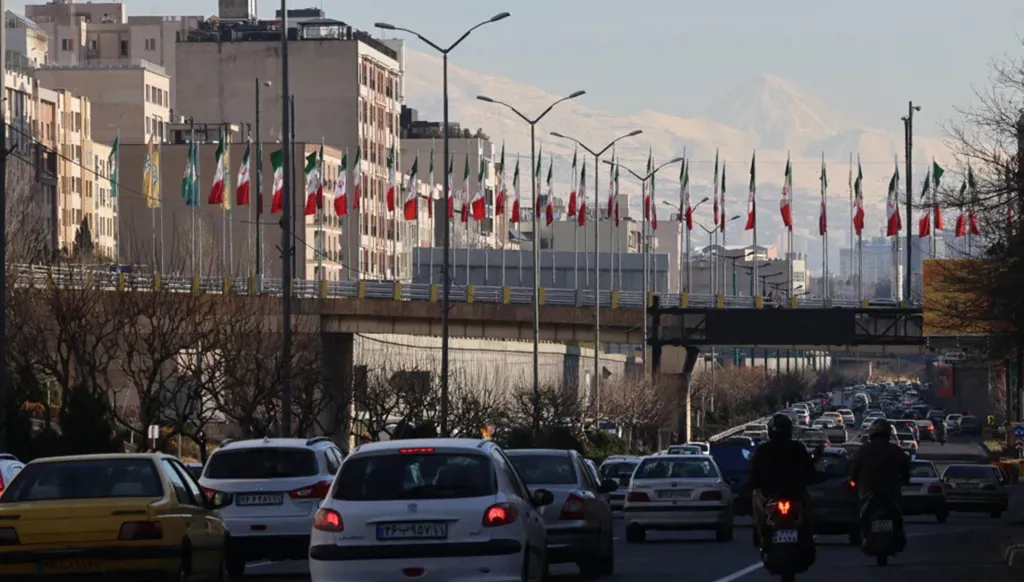


However, the announcement was met with public backlash rather than relief. Many Iranians reacted with anger, viewing the seven-dollar payment as a “bribe” rather than meaningful support. Protesters mocked the move, with some saying, “A corrupt regime on the verge of collapse is offering a seven-dollar bribe to fool the people,” while others described the measure as insulting and disrespectful.
Many regimes have resorted to steps similar to those of the Iranian government, ironically, many have fallen despite this increase.
Al-Assad's Syria
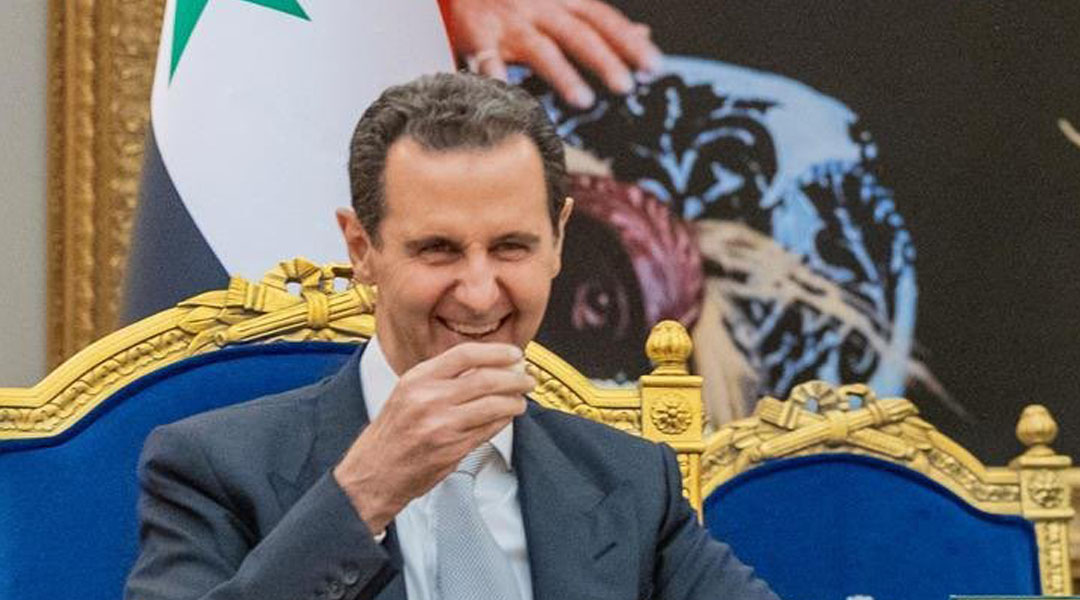
Just days before his downfall, deposed Syrian President Bashar al-Assad issued a decree on December 4 raising military salaries by 50 percent. The move came after the launch of the “Deterrence of Aggression” operation in northern Syria and only four days before Assad fled to Russia.
Mubarak's Egypt
Amid the mass popular demonstrations that swept Egypt in 2011, the Egyptian regime announced a 15 percent pay raise for government employees in an attempt to bolster its popular base and calm public anger, as protests demanding President Hosni Mubarak’s departure continued.
Shortly afterward, the Mubarak regime collapsed.

Sudan's Omar al-Bashir
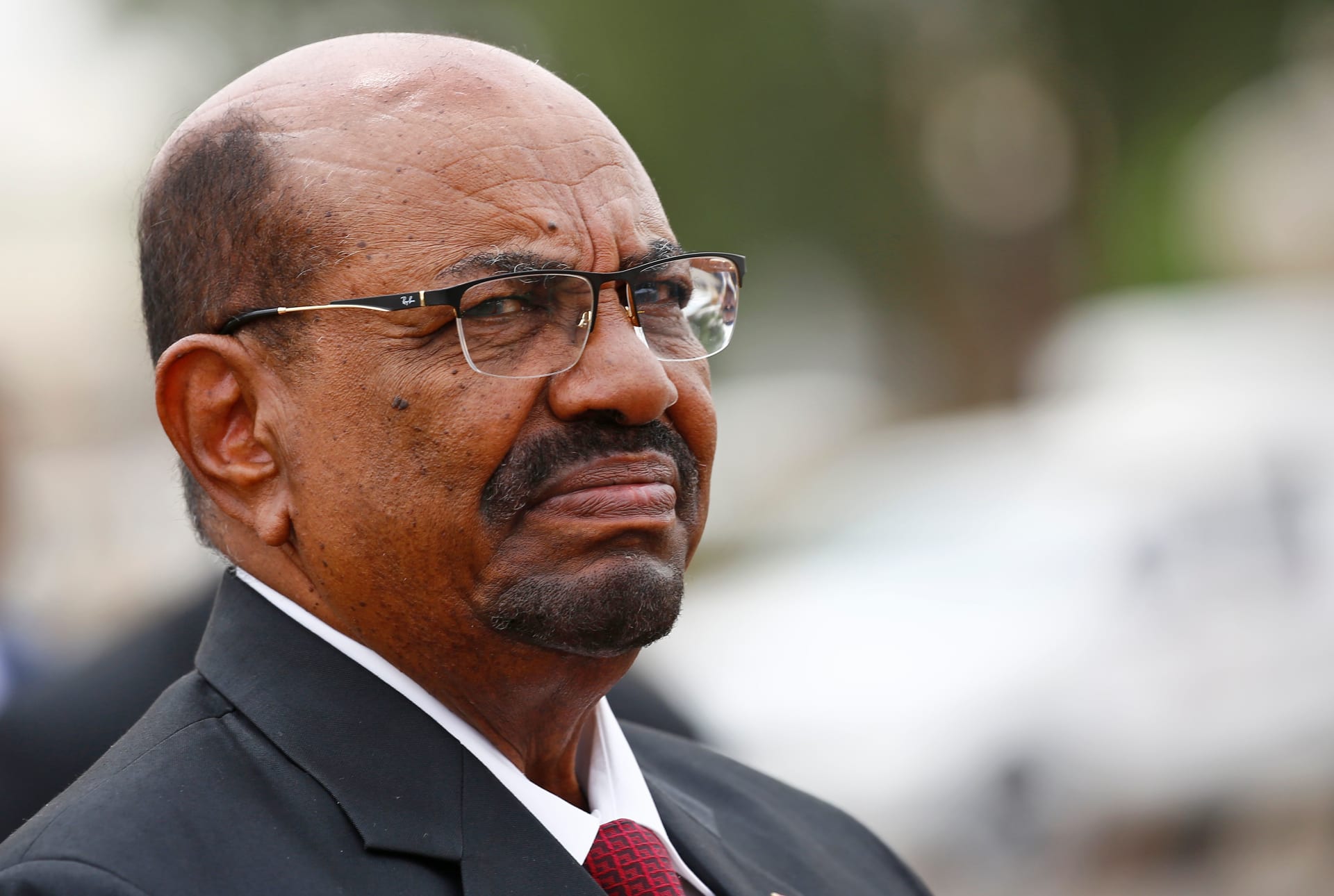
A similar scenario unfolded in Sudan. Former Sudanese president Omar Hassan Ahmad al-Bashir argued that his country had been under economic siege and continuous war for more than 20 years. Just weeks before his downfall, and in response to the protests sweeping the country, he announced a package of measures aimed at improving social conditions.
He said Sudan had begun a program to raise salaries and that the government would work to enhance services across various sectors, including housing support.
Libya's Gaddafi
A similar pattern was seen in Libya. Just weeks before the collapse of Muammar Gaddafi’s regime, the authorities announced salary increases and substantial cash bonuses for Libyan families in yet another attempt to cling to power as protests spread across the country.
At the time, Libyan state television reported that each family would receive 500 dinars (about $400) to help offset rising prices. It also highlighted government decisions to raise salaries in certain public sectors by as much as 150 percent.

Russia: relative policy success
In Russia, a somewhat similar scenario played out, though with a different outcome. Faced with sanctions, economic pressure, and rising inflation following the war in Ukraine, the Russian authorities moved to improve living standards in an effort to preempt public discontent. In 2025, the government raised the minimum wage by 16.6 percent compared to 2024.
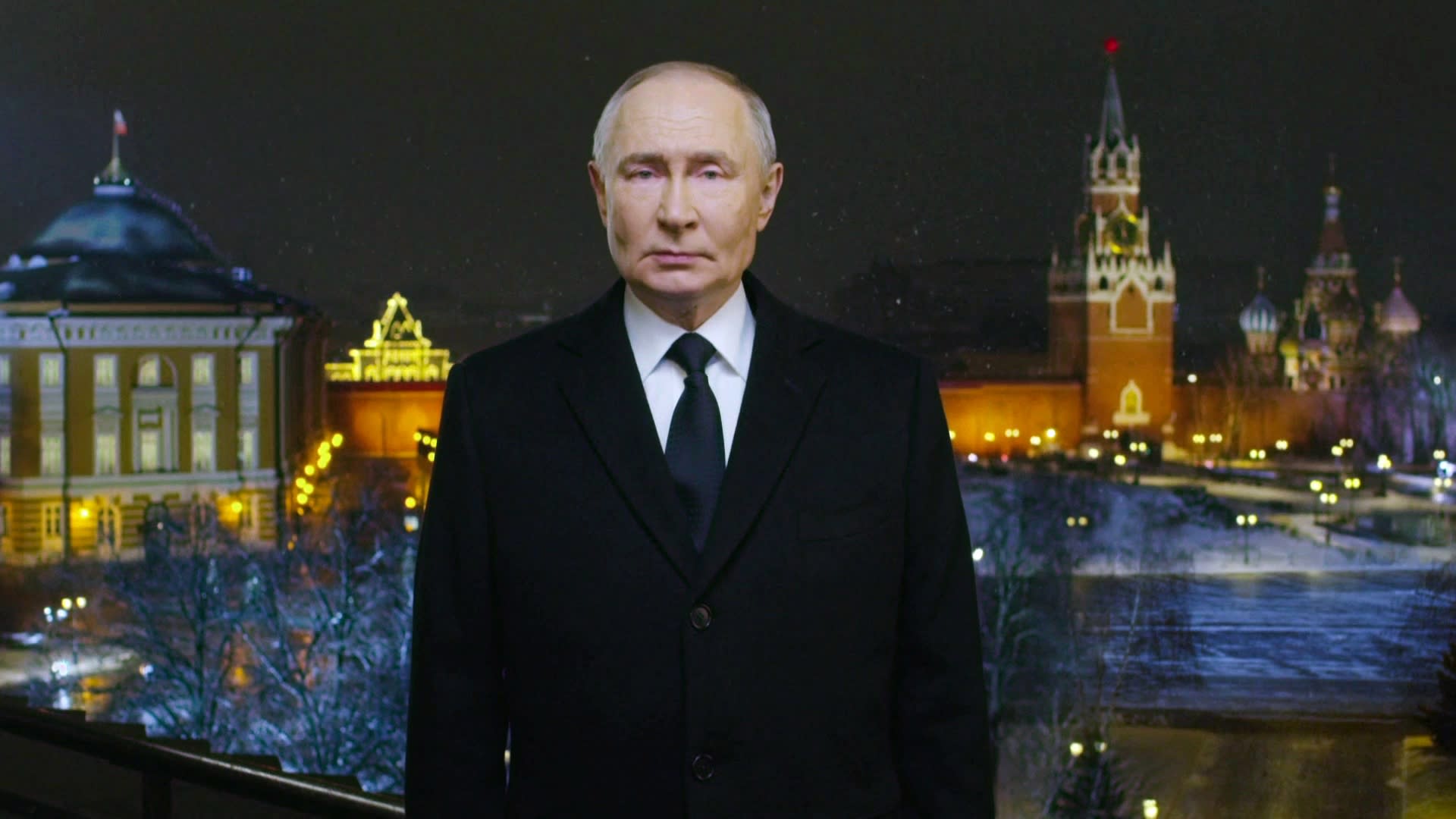
No protests are emerging against Russian President Vladimir Putin for a variety of reasons, and the current regime has so far remained in power.
Venezuela's Maduro
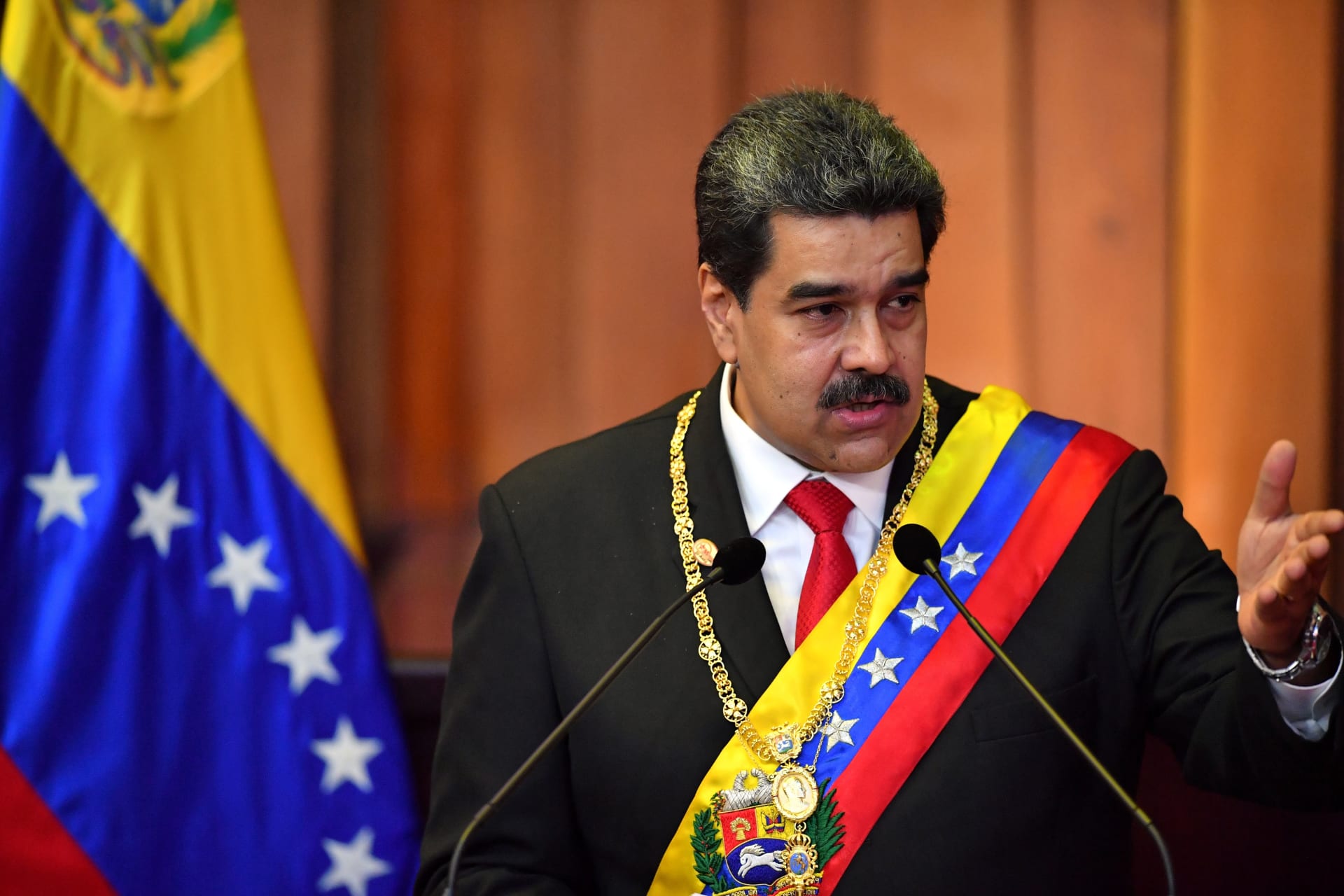
Before being targeted by U.S. operations, Venezuelan President Nicolás Maduro frequently raised wages and salaries in response to Venezuela’s soaring inflation, aiming both to curb potential protests and to reinforce his security control.
In conclusion, many regimes have tried to “buy off” their populations to suppress protests and preserve their rule. While such attempts have often failed, leading to regime collapse, some have succeeded when bolstered by strong security control or residual popularity.
The question now remains: What fate awaits the Iranian regime?