

US temporarily lifts sanctions on Iranian oil and loans crude from strategic reserve



 Messenger
 Whatsapp
 Threads
 Email
Email
 Print
Print
 X
X
 Facebook
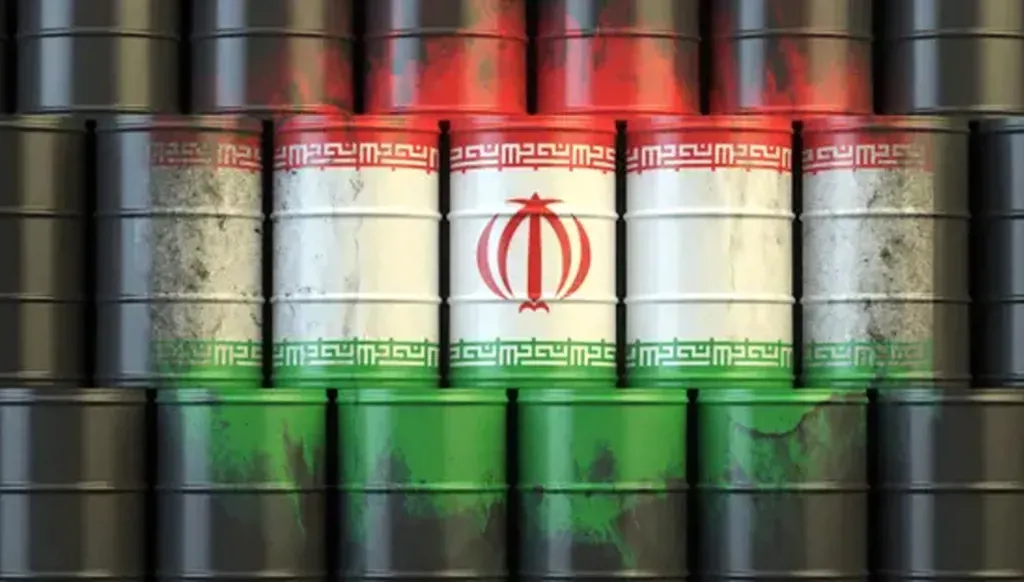


US Treasury Secretary Scott Bessent announced that President Trump’s administration on Friday granted a 30‑day sanctions waiver allowing the purchase of Iranian oil at sea. The goal is to ease pressure on energy supplies since the outbreak of the American‑Israeli war on Iran.
This marks the third time the United States has issued a temporary sanctions waiver in roughly two weeks.
The United States had previously eased sanctions on Russian oil, and on Friday it issued a general license permitting the sale of Iranian crude oil and petroleum products loaded on ships from March 20 to April 19, according to the license published on the Treasury Department’s website.
Bessent said in a statement on X, “By temporarily releasing this existing supply to the world, the United States will quickly provide about 140 million barrels of oil to global markets, increasing global energy supply and helping to ease temporary supply pressures caused by Iran.”
He added, “In short, we will use Iranian barrels against Tehran to keep prices low while we continue the operation known as Epic Fury.”
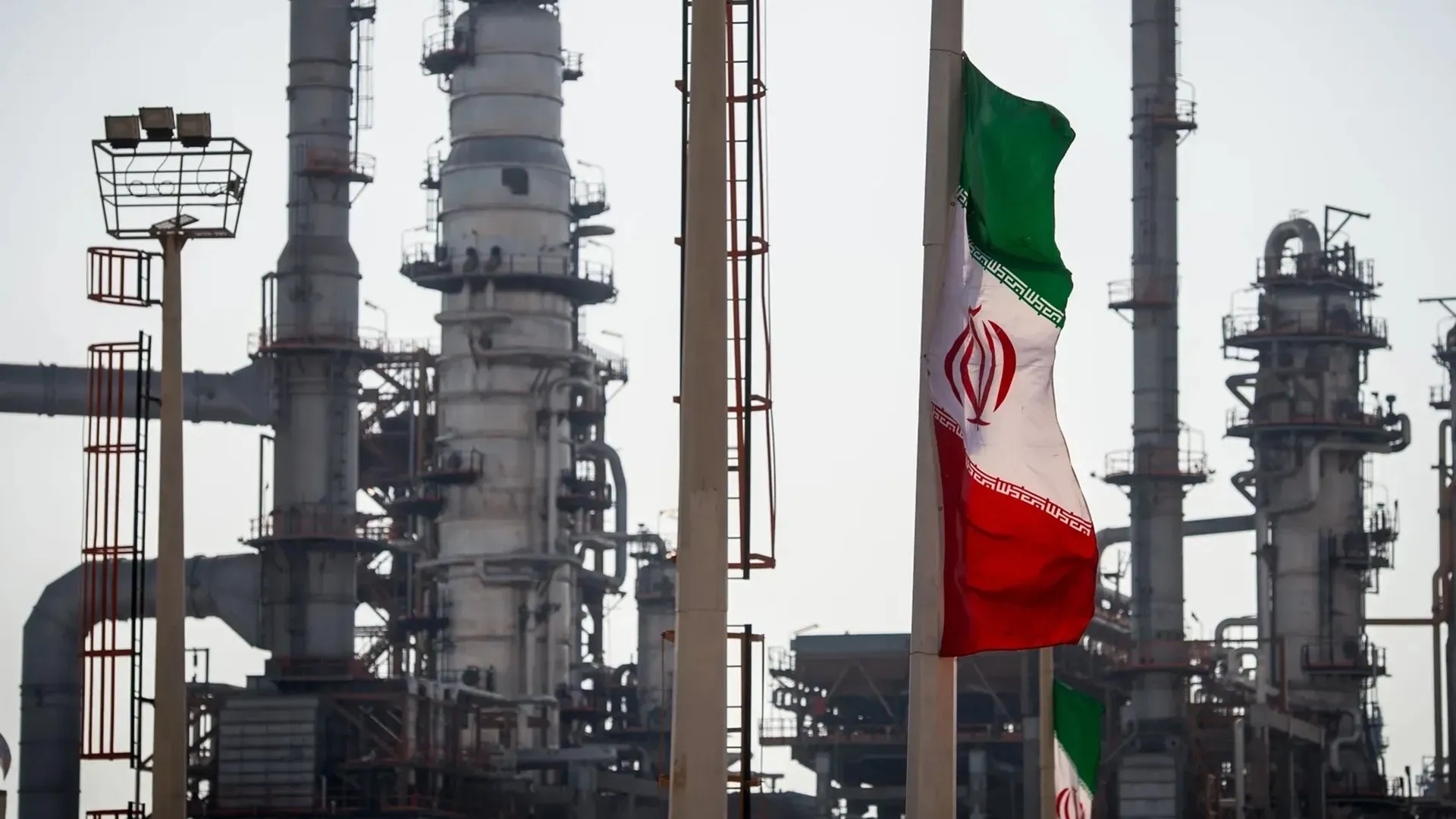
In addition, the US Department of Energy announced that it has granted contracts to lend 45.2 million barrels of crude oil from the Strategic Petroleum Reserve through Friday.
The Department of Energy explained in a statement that the companies granted Strategic Petroleum Reserve contracts include BP Products North America, ConocoPhillips USA, Marathon Petroleum, and Shell Trading.
The Trump administration is lending oil from the strategic reserve as part of a broader agreement among member countries of the International Energy Agency to release 400 million barrels of crude oil from reserves in an attempt to calm prices that have risen during the American‑Israeli war on Iran.
The United States releases the oil in the form of loans, which companies return along with additional barrels as a premium, a system the Department of Energy says is designed to stabilize markets “at no cost to US taxpayers.”
Ultimately, the United States aims to exchange a total of 172 million barrels from the Strategic Petroleum Reserve and expects oil companies to return about 200 million barrels, including the premium.