

Inside Iran’s military divide: Revolutionary Guards vs. the Army
A deep look at the uneasy balance between Iran’s army and Revolutionary Guards - and what it means for U.S. strategy.




 Messenger
 Whatsapp
 Threads
 Email
Email
 Print
Print
 X
X
 Facebook
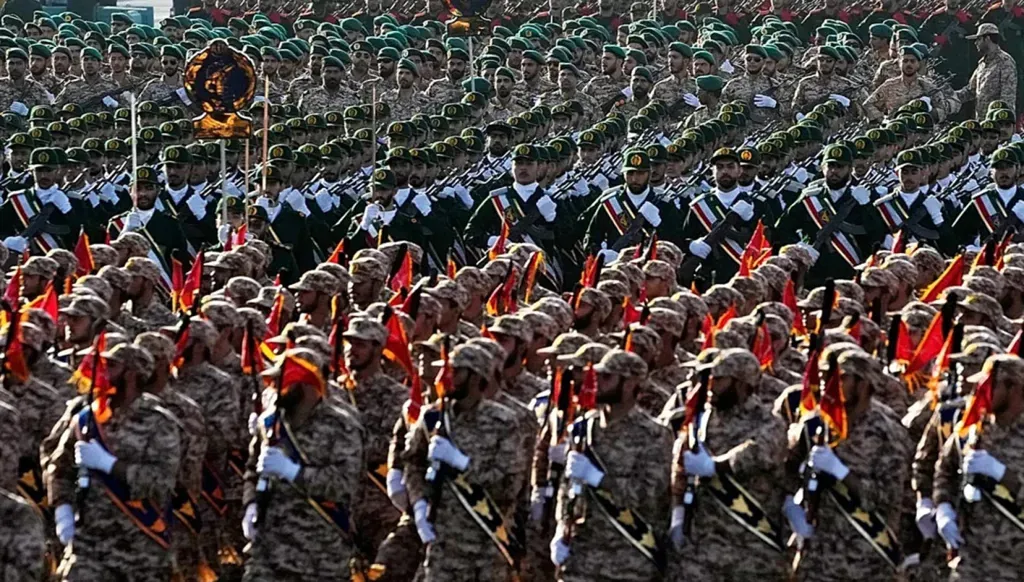


After successfully coming to power, former revolutionary leader Ruhollah Khomeini decided to establish a special force to protect the emerging regime. Ironically, one of the motivations for this was the same factor that had led to the fall of the Shah's regime: the neutrality of the Iranian Army (Artesh). Khomeini's suspicion of the official security institutions contributed to the creation of the Revolutionary Guards.
Khomeini initially tasked his close aide, Ali Akbar Hashemi Rafsanjani, with supervising the establishment, but the responsibility was later handed over to the president (and current supreme leader), Ali Khamenei. At the time, Khamenei stated, “Artesh, like the Sepah (Revolutionary Guards), will continue to exist. But I believe the only force capable of defending the revolution and the Islamic Republic in an Islamic manner is the Sepah.”
These words echoed for a long time, perhaps specifically within the corridors of the army.
From Thousands to Millions
The Basij is considered the most significant arm of the Revolutionary Guards in suppression operations, with its role first becoming apparent during the crackdown on the 2009 revolution. In addition to the Basij, the Revolutionary Guards maintain naval, air, and ground forces, as well as the Quds Force, which exports the revolution's ideology and combat expertise abroad. However, this power has been weakened by the attrition it suffered following the October 7, 2023, war, along with the recent marginalization of its commander, Esmail Qaani.
The Iranian constitution distributed responsibilities between the traditional army and the Revolutionary Guards: the former is tasked with protecting borders, sovereignty, and territorial integrity, while the latter safeguards order and the revolution. This division may have partially served as a compromise between far-left groups calling for the army’s dissolution and some Islamic factions advocating that all protection duties be handed over to the army.
Nevertheless, this delineation could not entirely mask the political tensions between the two, at least not permanently. While the Revolutionary Guards were allowed to build an economic power base - an initiative led by Rafsanjani - the army underwent purges during the early period following the revolution’s success.
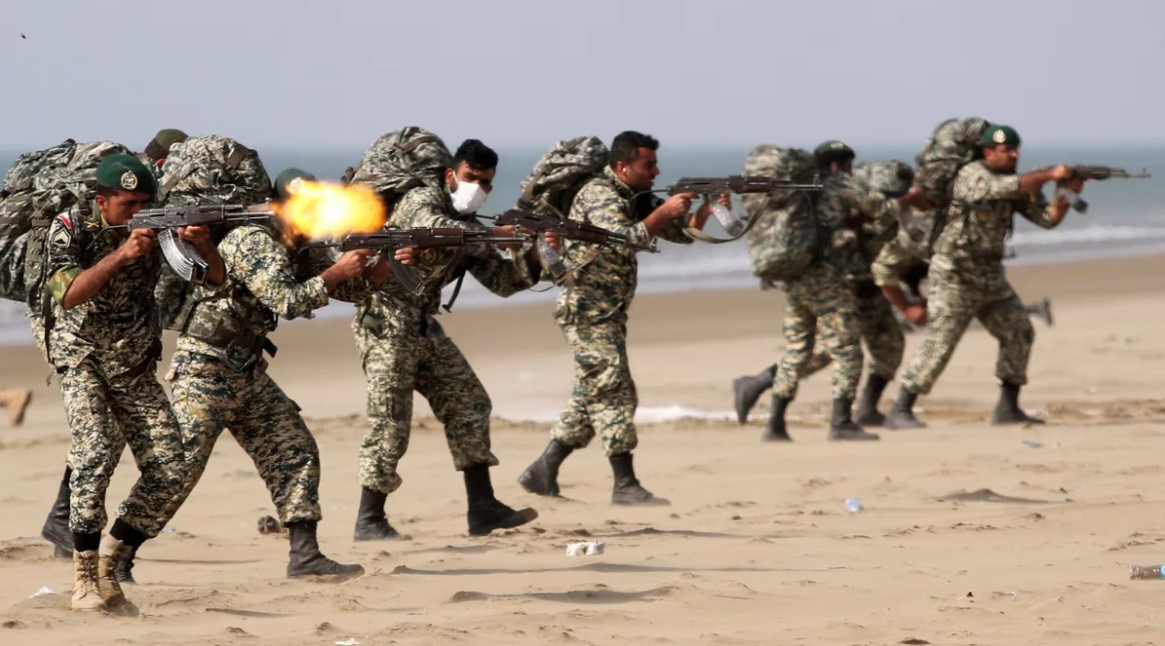
According to a 2011 report by the Middle East Institute, religious leaders abandoned the “Brothers in Arms” slogan and launched a broad purge of the army’s high command, with several generals facing execution. Tensions also emerged between the army and the Revolutionary Guards even during the war with Iraq. Consequently, there is reason to believe that the United States could seek to exploit the underlying, albeit not overtly visible, dissatisfaction between the two institutions.
Contrary to Israel
If Trump follows through on delivering a “stronger” blow to Iran, as he has promised, it is likely that the Revolutionary Guards’ bases would be the first—and possibly the only—targets. In effect, Trump may, in one way or another, echo Khomeini’s earlier rhetoric when he urged the Iranian army to defect from the Shah. Another possible American message could be aimed at the army, signaling that it should not defend the supreme leader. At the same time, sparing army centers from bombing would demonstrate an intent to target the regime specifically, without striking the Iranian state itself—a position Trump has praised on several occasions. This approach would contrast sharply with Israeli policy, which saw the assassination of Chief of Staff General Mohammad Bagheri during the war.
On paper, sowing discord between the Revolutionary Guards and the army appears relatively straightforward. The regime itself has made this easier by allocating a budget for the Guards that is sometimes nearly double that of the army. Although Tehran has largely managed to conceal the tensions between the two, occasional criticisms have inevitably leaked to the public, if only for brief periods.
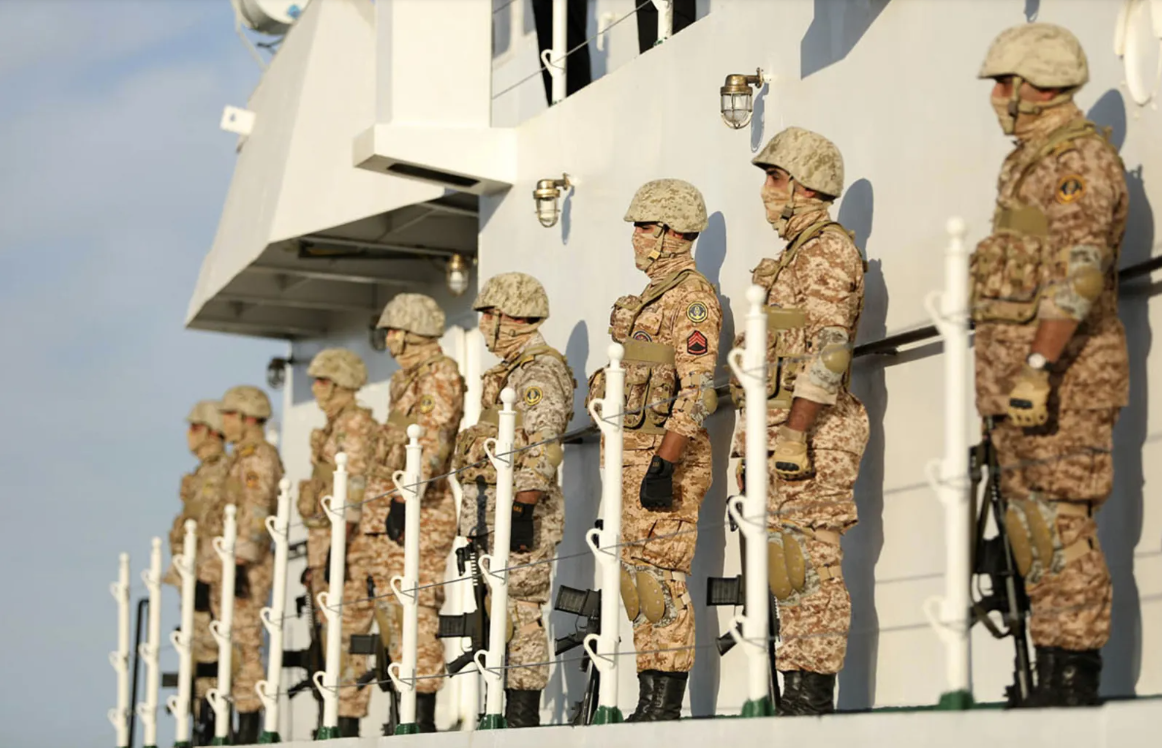
In May 2020, former Iranian Navy Commander Habibollah Sayyari voiced his dissatisfaction with the official media’s focus on the Revolutionary Guards’ sacrifices during the war with Iraq, while neglecting the army’s contributions and even mocking its leaders. He also criticized the Guards’ involvement in economic and political affairs, noting that the army could engage similarly but chooses to adhere to the constitution. Sayyari briefly assumed the role of chief of staff following Bagheri’s death.
None of this guarantees that the Iranian army will remain passive in any forthcoming American strike, even if the attacks are aimed solely at the Revolutionary Guards. Sayyari himself recently announced the army’s readiness to respond. Nonetheless, factors of mutual aversion between the two forces exist, and their potential impact on a possible conflict—especially if Trump seeks to exploit them—remains under close observation.