

Is the future of AI being built without women?



 Messenger
 Whatsapp
 Threads
 Email
Email
 Print
Print
 X
X
 Facebook
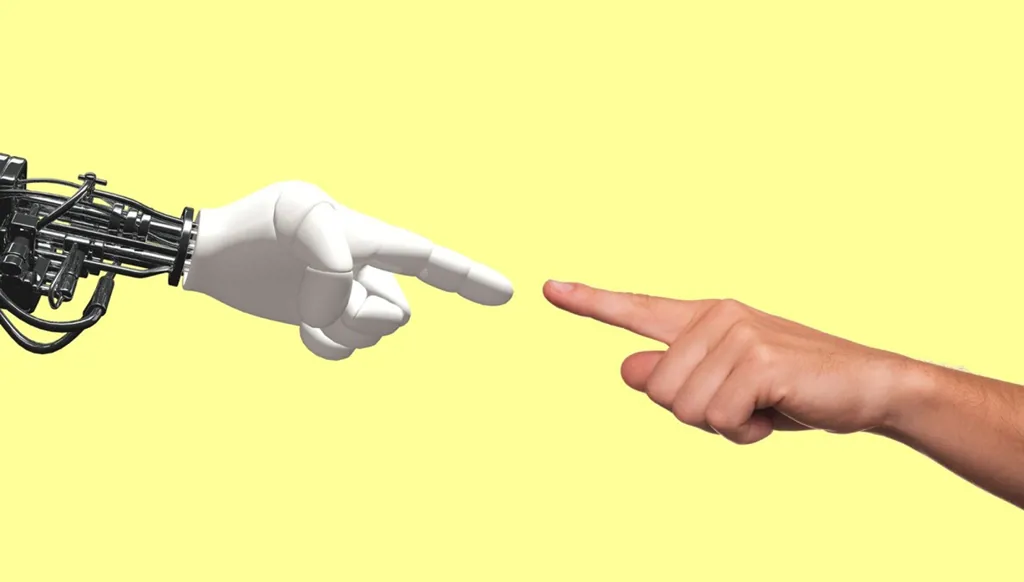


While the world celebrates the advancements that artificial intelligence has made, AI looms over women as a potentially powerful tool for either promoting equality, or reversing hard-won progress. The choice is ours: will we empower women to lead this technological revolution, or will we allow them to remain captive to biased algorithms?
Given all the progress we have seen, not to mention the flood of tools that have hit platforms and applications in recent years, artificial intelligence could serve as a critical tool for promoting equality. Whether women, alongside everyone else, can embrace the rapidly evolving technology and help shape and benefit from it will determine the outcome.
AI can empower women by providing access to education and skills, promoting employment opportunities, strengthening financial independence and personal safety, and promoting gender equality in leadership. It can also empower female entrepreneurs, spread knowledge about legal rights, encourage political and civic participation, and improve work-life balance.
The need for more women to develop AI technologies is urgent. The fact that women currently make up less than a third of AI professionals and only 18 per cent of AI researchers globally is a crisis that requires attention. The absence of women in the field means their perspective is missing from these services and programs. Women also need to start using AI tools in their daily lives and incorporate them into their work.
Only 28 per cent of registrants on AI training programs worldwide are women. This reluctance creates a dangerous cycle; the more hesitant women are to embrace these technologies, the further behind they will fall in a workplace and society that are increasingly shaped by artificial intelligence.
It is worth noting that many of these tools are free and accessible to anyone with a computer or smartphone. This technology could be more than just another tool; it could be the long-awaited solution we have been fighting for, providing women with the support, competence and confidence that previous systems have consistently failed to deliver.
In the field of mentoring and guidance, we have witnessed the consequences of inequality firsthand, from women feeling unprepared for leadership roles to men being considered the clear choice by default. This lack of mentorship remains a barrier to equality: women are 24 per cent less likely than men to receive advice from senior leaders, and the gap is even wider for women of color.
Furthermore, bias is embedded in AI tools themselves, and we must acknowledge that AI poses real risks to women. We have already seen AI tools perpetuate stereotypes, from hiring algorithms favoring male candidates to image generators which sexualize women. Responsibility therefore lies with the developers, programmers and launchers of these tools, as well as with women themselves.